Digital Innovation at the COST Training School on Low- and No-Pesticide Agriculture
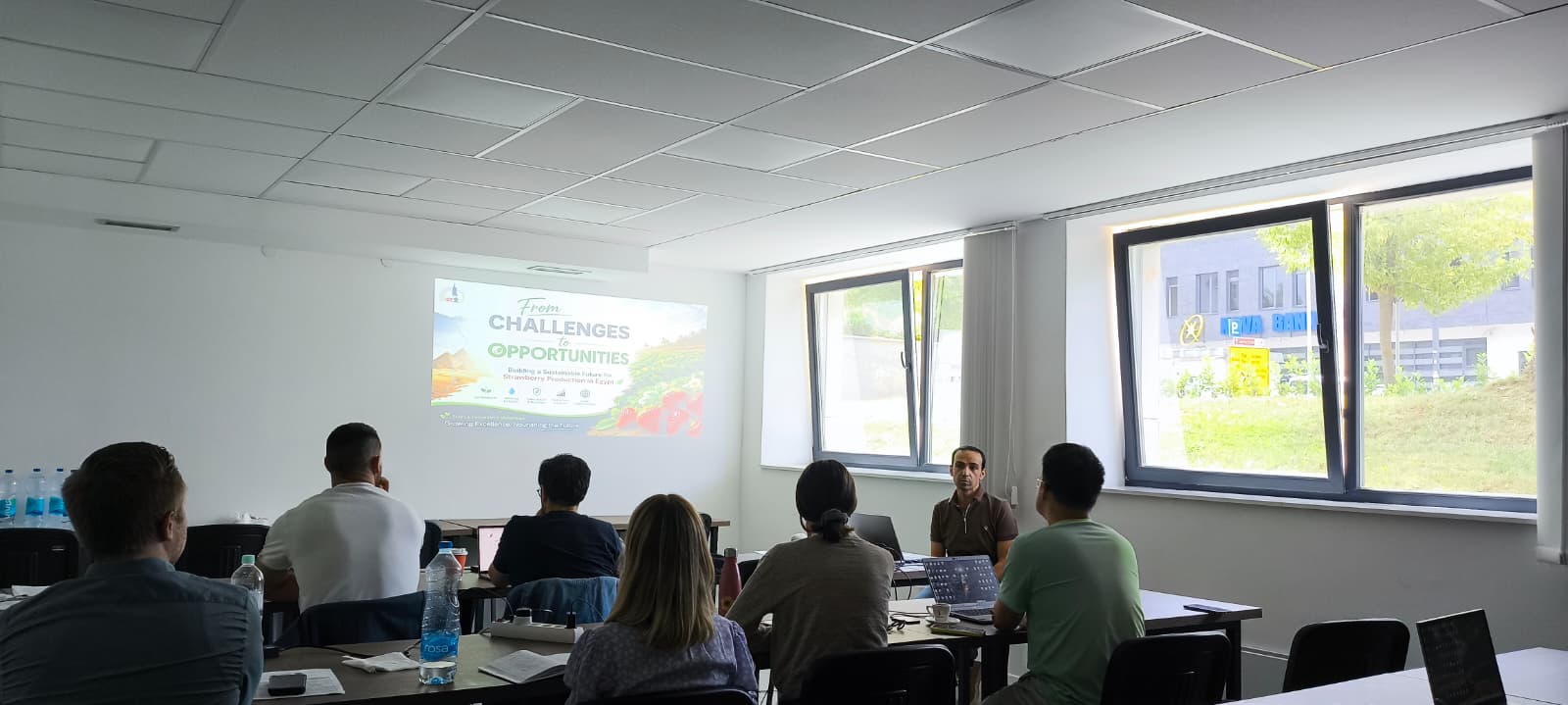
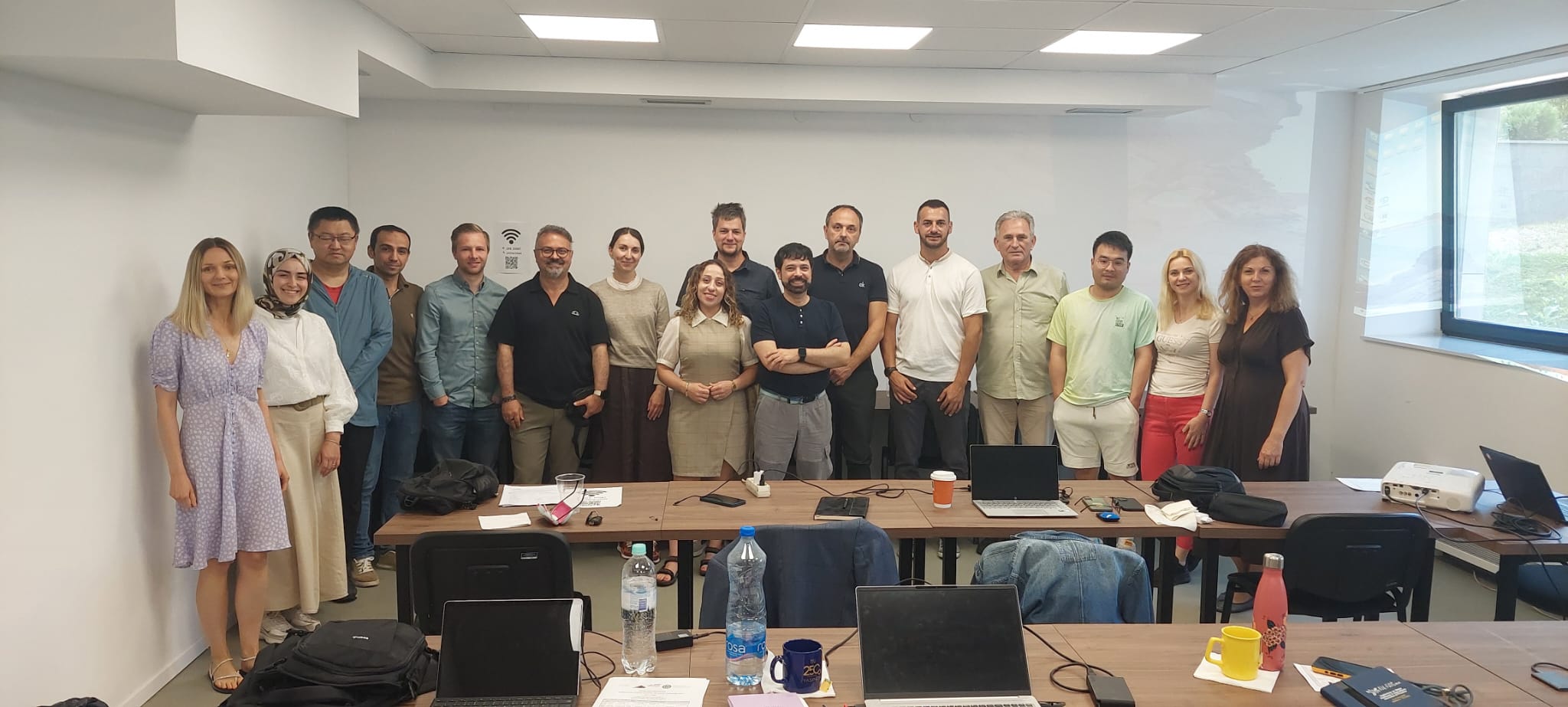
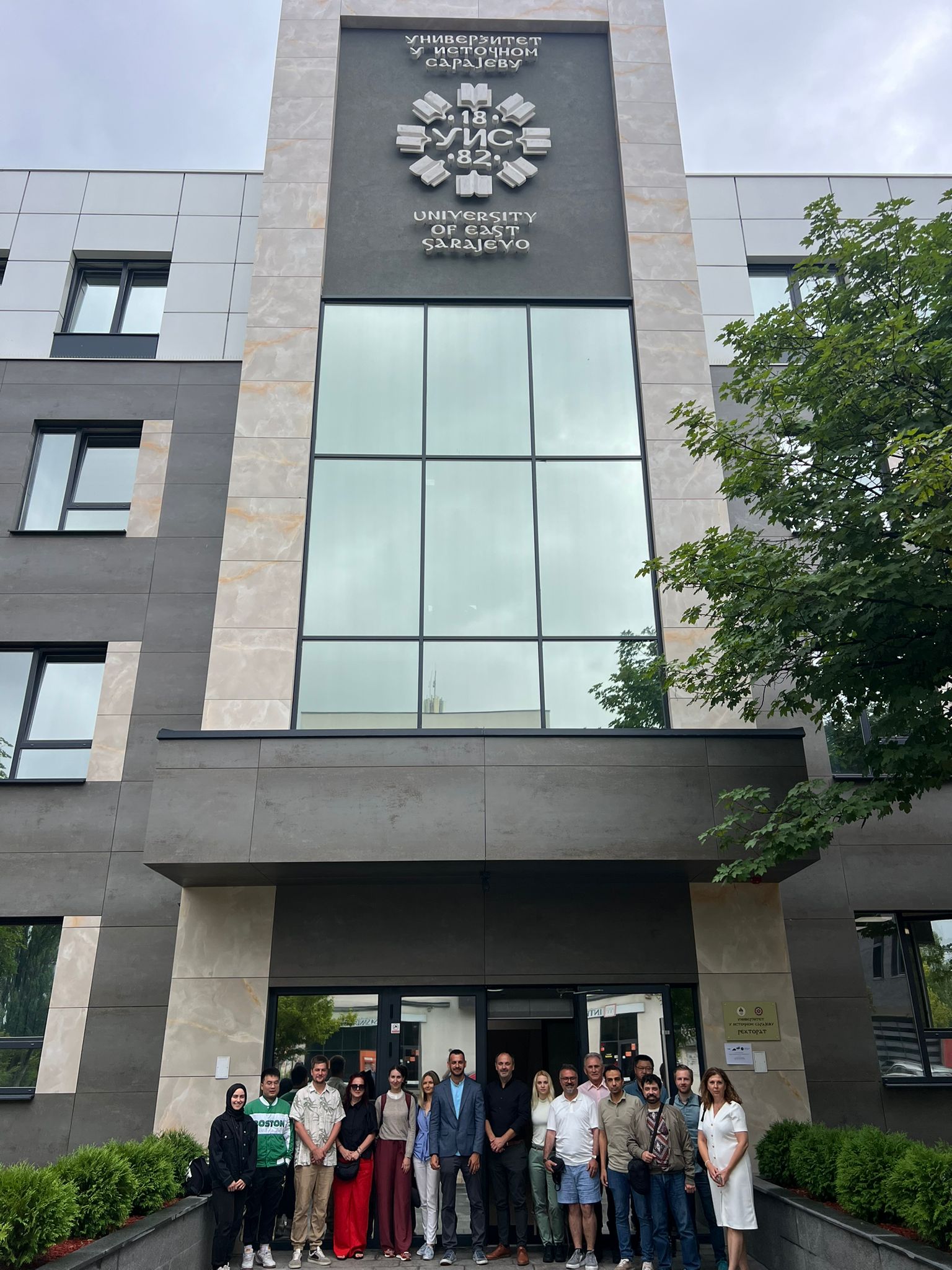
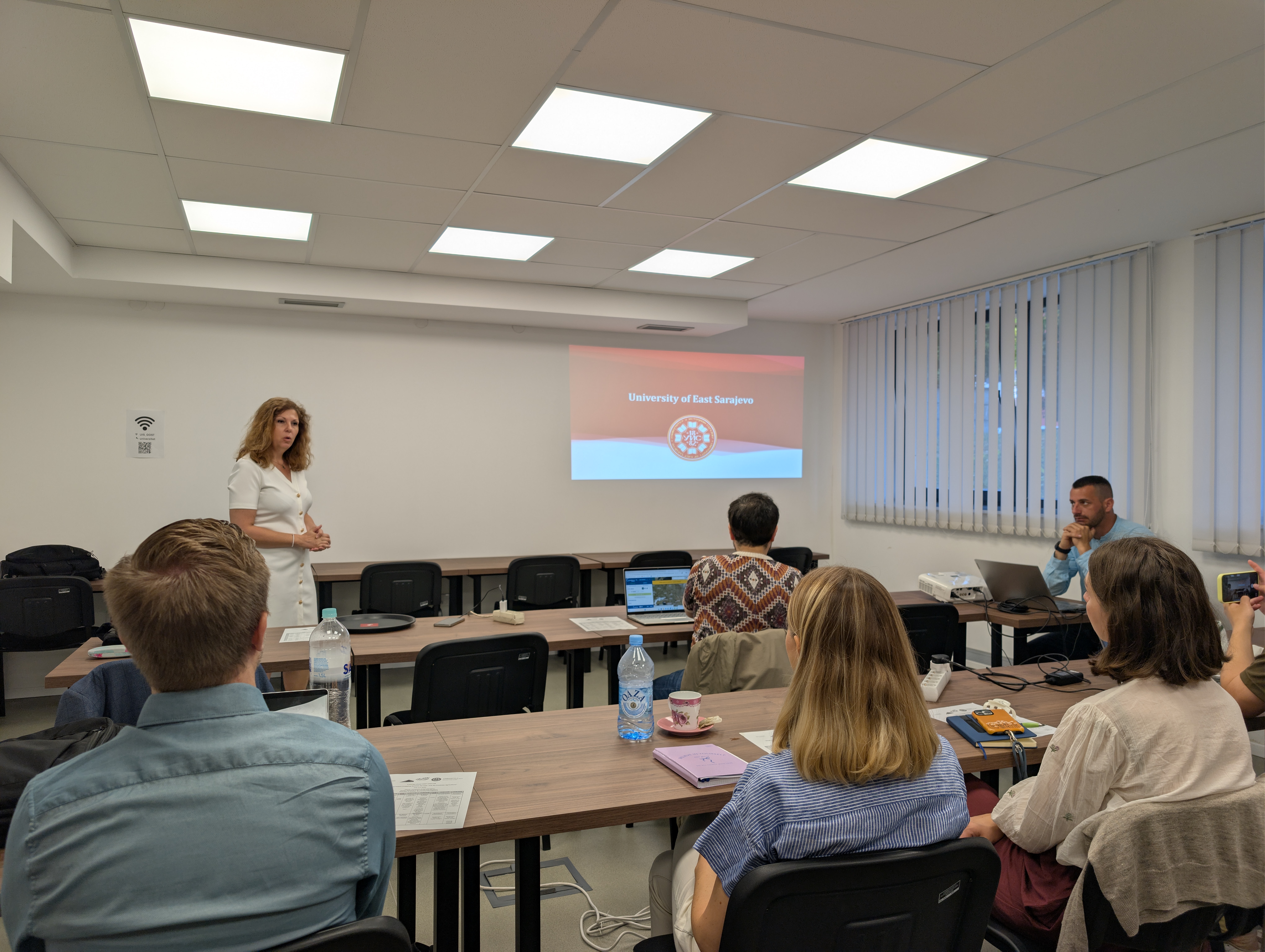
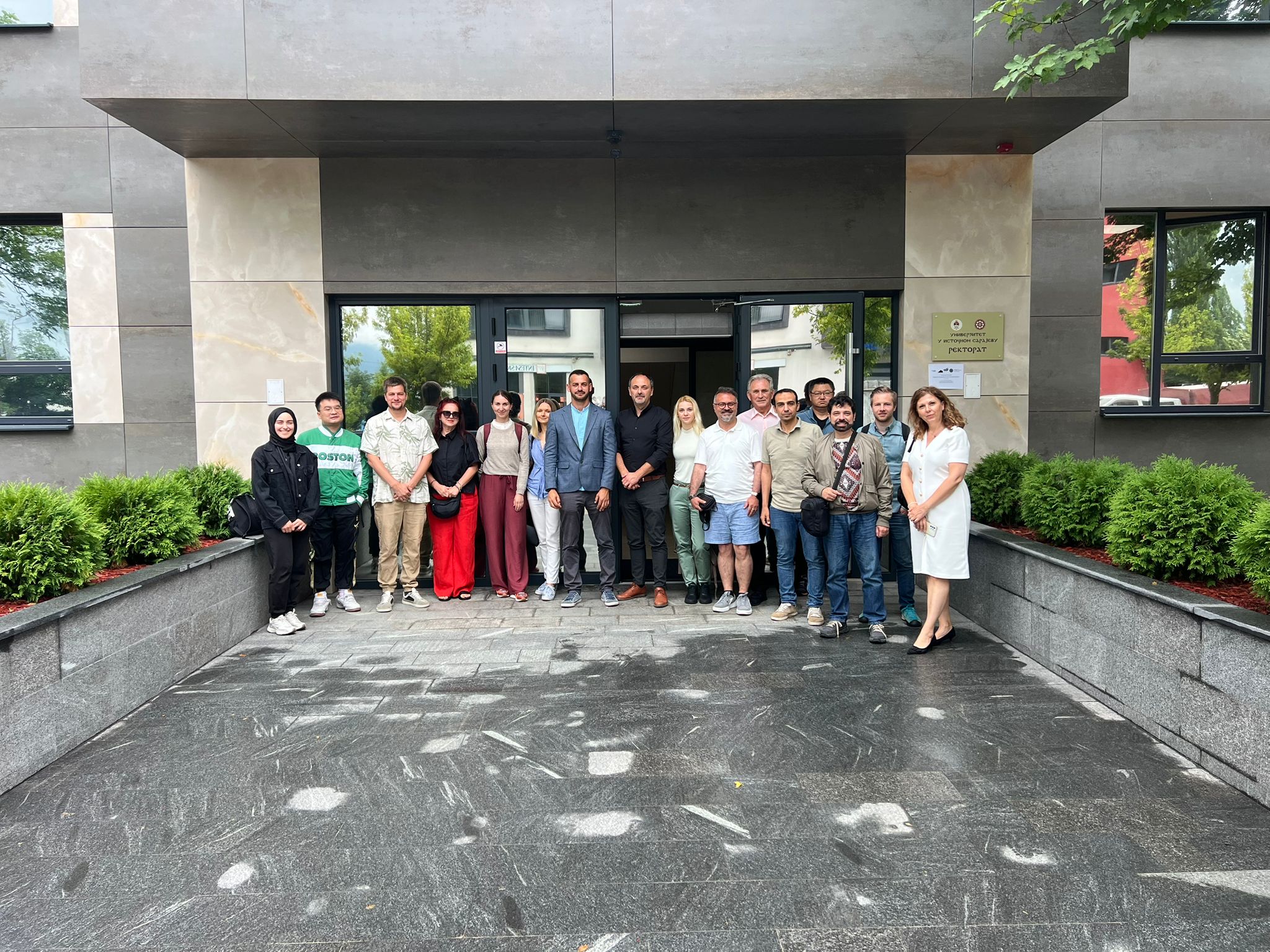
BioResources & Technology (BRT) Division team members, representing the Czech University of Life Sciences Prague (CZU), participated in the COST training school “Designing Future Cropping Systems for Low- and No-Pesticide Agriculture”. The event was held in July 2026 at the University of East Sarajevo, Bosnia and Herzegovina. It was organised within COST Action CA21134 - Towards zer0 Pesticide AGRIculture: European Network for sustainability (T0P-AGRI-Network). The training school brought together selected participants and experts to discuss practical pathways towards resilient cropping systems with reduced dependence on synthetic pesticides.
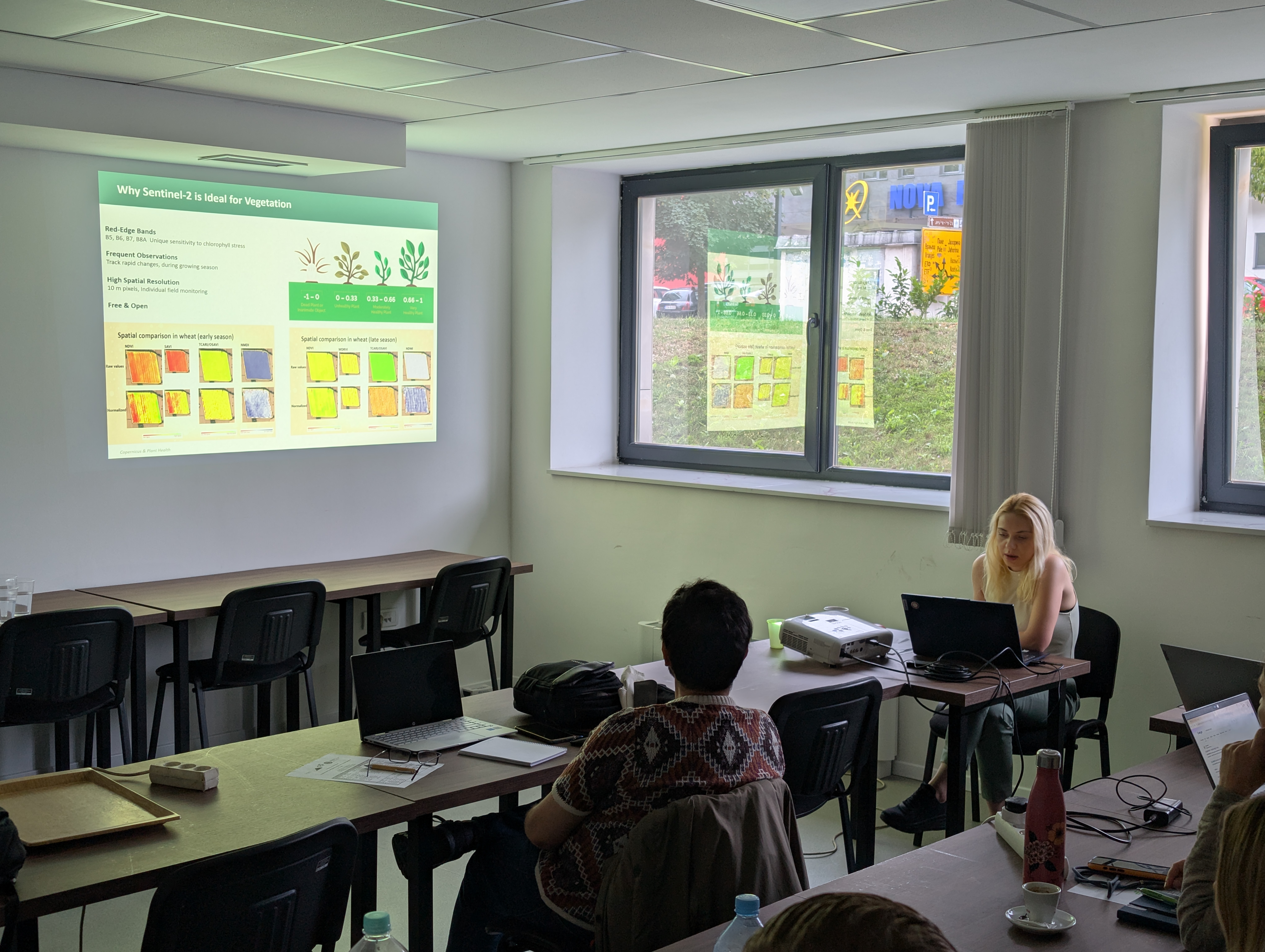
CZU was represented by postdoctoral researcher Dr. Bojana Petrović and project manager Dr. Jan Staš. Dr Petrović contributed to the main programme with two hands-on sessions. They focused on the use of the Copernicus Programme for plant health monitoring and practical work with Google Earth Engine. Her lectures introduced participants to Sentinel-based Earth observation data, vegetation indices, time-series analysis and browser-based tools for crop monitoring and classification.
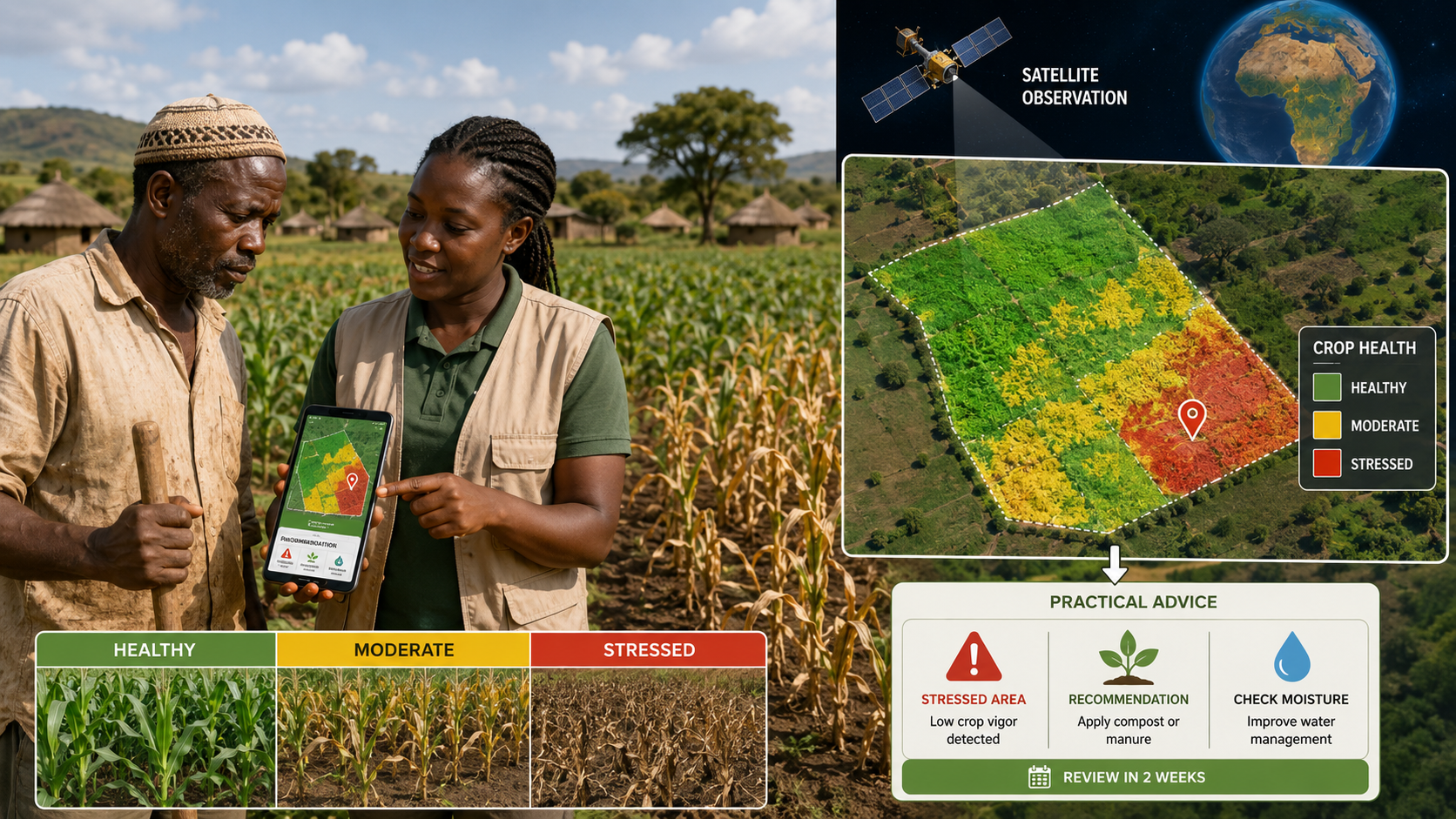
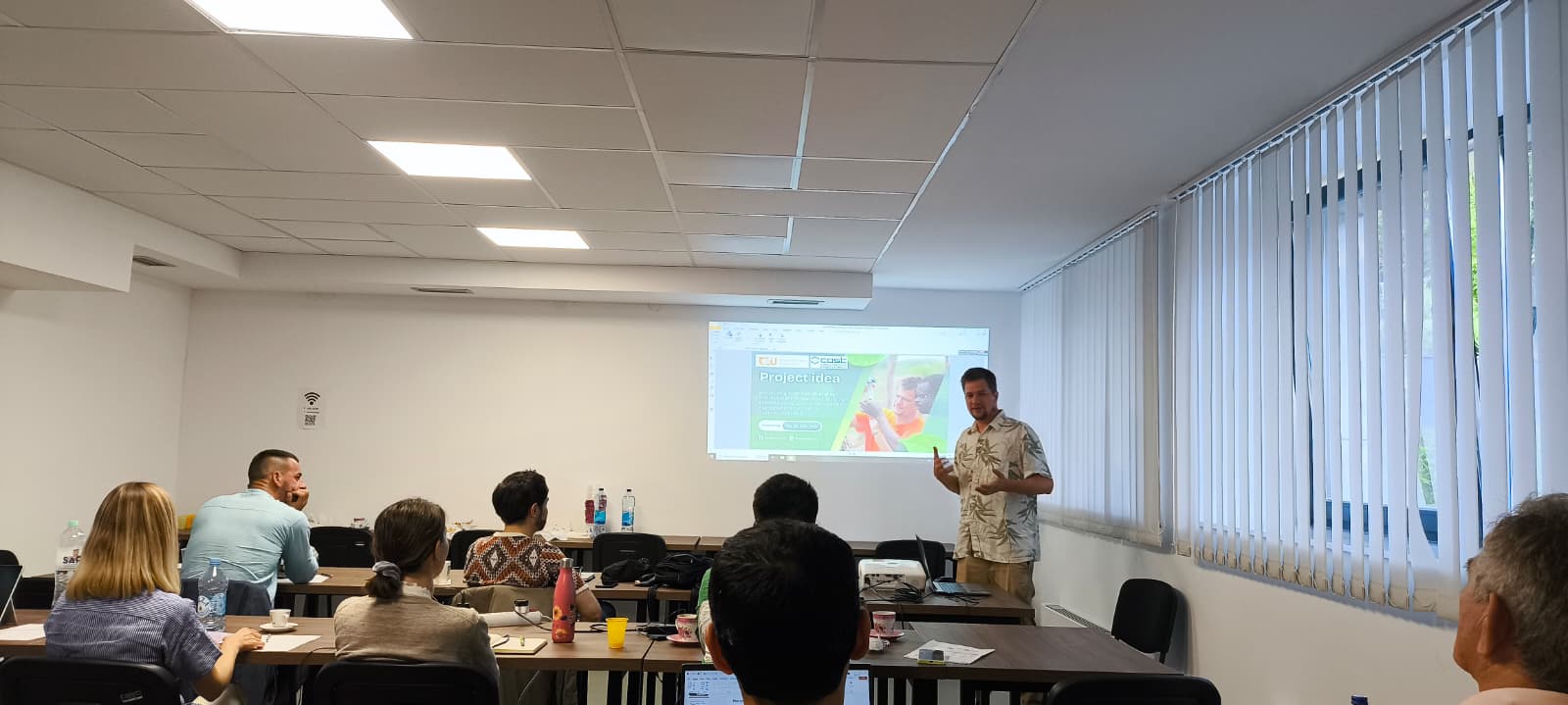
Dr Jan Staš contributed with a participant presentation on monitoring crop health and soil improvement in low-input farming systems using biochar-based soil management and Earth observation tools. The presentation focused on the practical use of advanced technologies, including satellite monitoring, artificial intelligence and digital agriculture. The main question was how these tools can be translated into locally understandable advice for farmers. A key message was that digital agriculture should not start with the technology itself. It should start with real problems farmers already recognise in their fields, such as weak germination, uneven crop growth, pest pressure, drought, declining soil fertility and rising prices of agricultural inputs.
From the BRT perspective, the topic is closely linked to the team’s long-term focus on sustainable technologies, organic waste valorisation, biochar and practical solutions for low-input and tropical farming systems. Satellite data can help detect water stress, uneven crop development, areas requiring field inspection or differences between treated and untreated plots. However, these tools should not replace field observation, local knowledge or extension workers. A realistic model is therefore a human-mediated digital advisory system. In this model, satellite-based alerts are verified in the field. They are then translated into simple recommendations, such as checking soil moisture, applying compost or biochar, improving mulching or adjusting irrigation.
The training school highlighted the importance of connecting research, digital tools and farmer-centred communication. Existing technologies already show that satellite data and AI can identify crop stress. The key challenge is to convert these signals into affordable, understandable and locally trusted actions. Participation in the event strengthened CZU’s and BRT’s involvement in European networks focused on sustainable agriculture. It also opened further opportunities for collaboration in Earth observation, soil restoration, biochar-based management and decision-support tools for resilient farming systems.
For more details on BRT activities, subscribe to our newsletter or follow us on social media for regular updates and highlights!