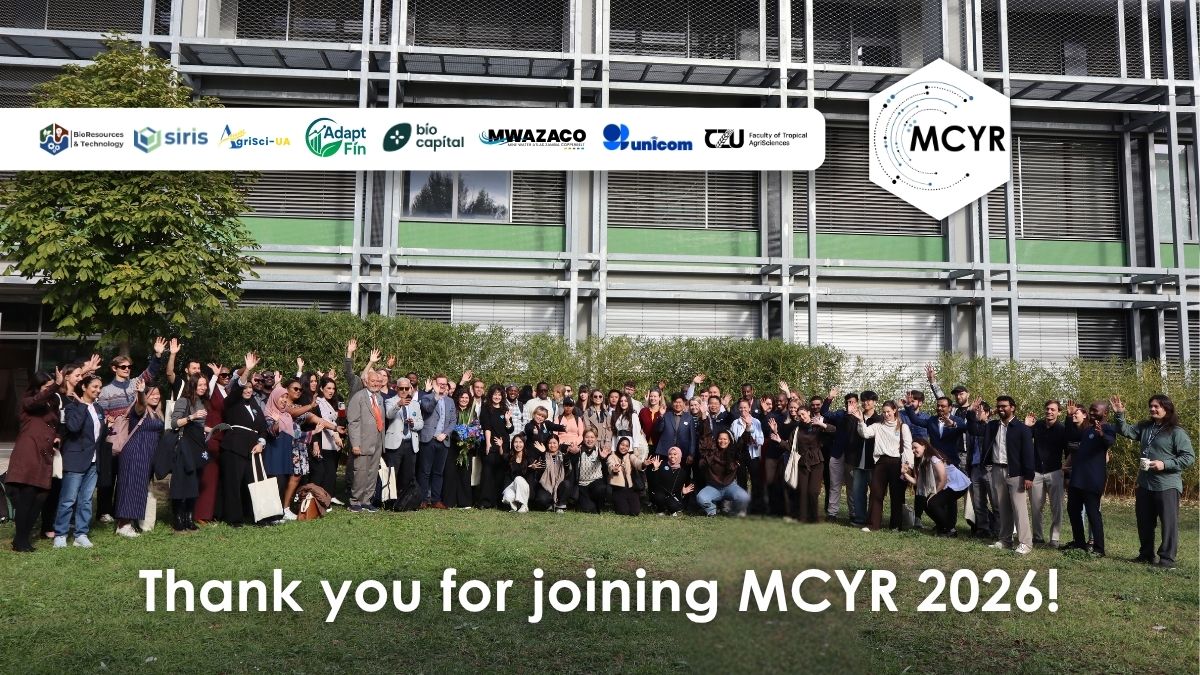
MCYR 2026 Brings Research, Ideas and Young Scientists Together in Prague
Two days, five scientific sessions, two keynote lectures, a poster session, interactive workshops, awards, and countless conversations across disciplines — the 7th International Multidisciplinary Conference for Young Researchers (MCYR 2026) brought together early-career researchers at the Faculty of Tropical AgriSciences (FTZ), Czech University of Life Sciences Prague (CZU), for two days of scientific exchange, interdisciplinary discussion and new connections.
Organised by the BioResources & Technology Division (BRT), this year’s edition centred on the theme: “Research Innovation to Action: Pathways Toward Resilience in a Risk-Prone World.”
Rather than approaching resilience from a single perspective, MCYR 2026 showed just how broad that conversation can be. Participants moved from emerging technologies and agriculture to climate, biodiversity, public health, culture and society — with each session adding a different piece to the question of how research can contribute to real-world change.
Five Sessions, Many Perspectives
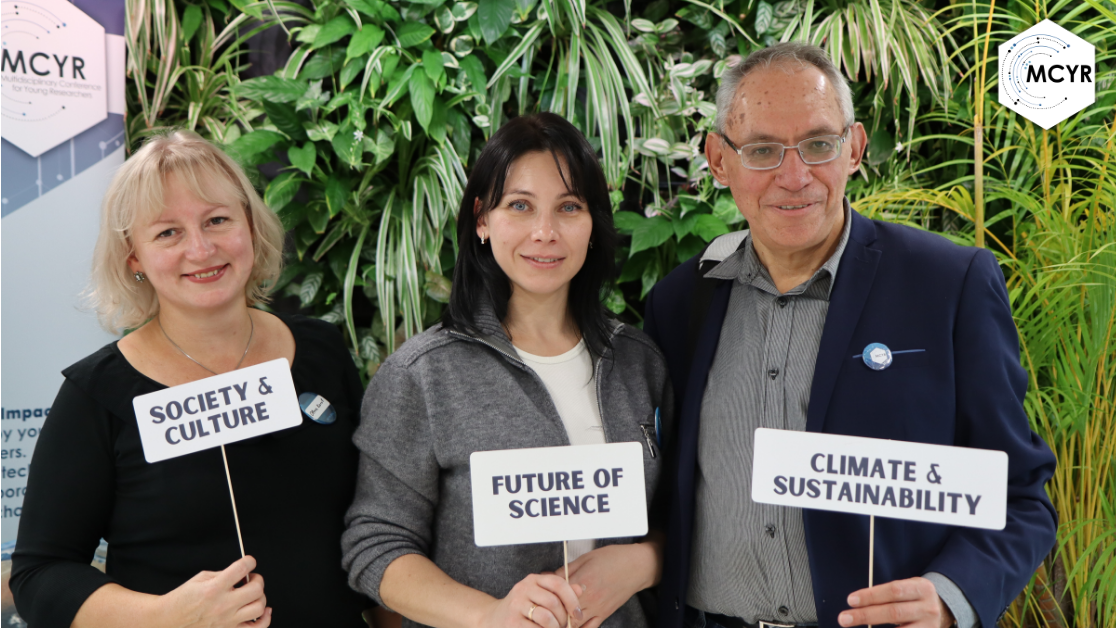
The scientific programme was divided into five sessions: Technology & Innovation, Plants & Agriculture, Climate & Sustainability, Animals & Ecology, and Society & Culture.
Day 1 opened with research spanning Technology & Innovation, Plants & Agriculture, and Climate & Sustainability. Discussions moved across emerging technologies, renewable energy, sustainable agricultural systems, food security, climate action, resource efficiency and environmental resilience.
Although the topics differed, a common thread ran throughout the programme: how can scientific knowledge move beyond analysis and become part of practical solutions?
Day 2 shifted the focus to Animals & Ecology and Society & Culture, opening the programme to research on biodiversity, wildlife, ecosystem resilience, public health, social innovation and sustainable development.
The contrast between sessions was one of the strengths of the conference. Participants could move from conversations about ecosystems and biodiversity to discussions on society, health and cultural dynamics — creating exactly the kind of interdisciplinary exchange that MCYR aims to encourage.
Keynotes That Reflected the Spirit of MCYR 2026
The conference also welcomed two keynote speakers whose lectures approached the broader MCYR theme from very different angles.
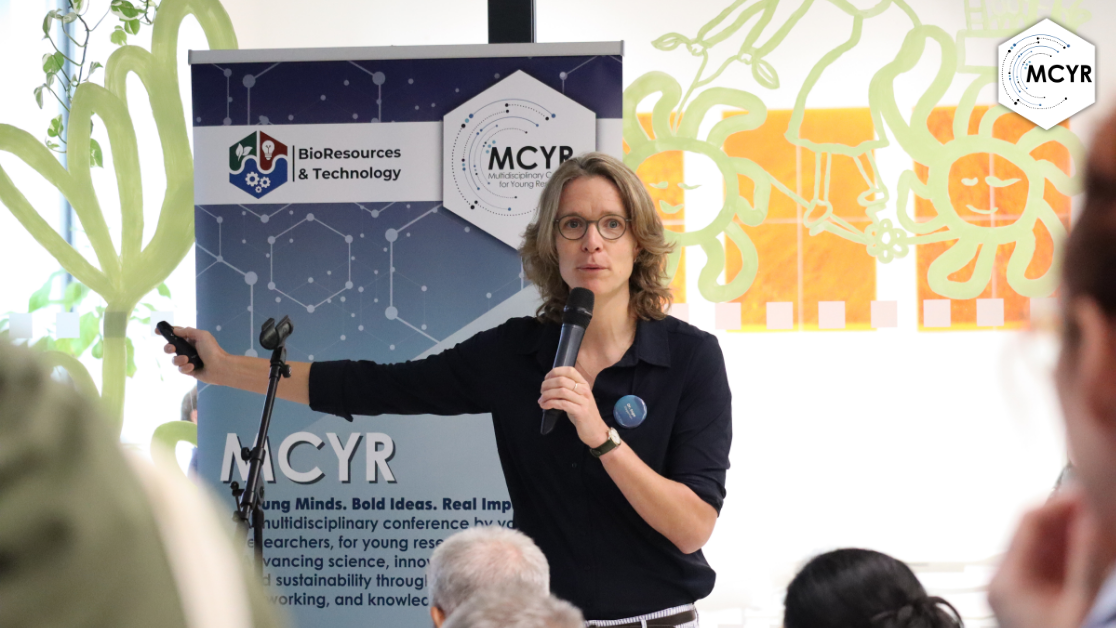
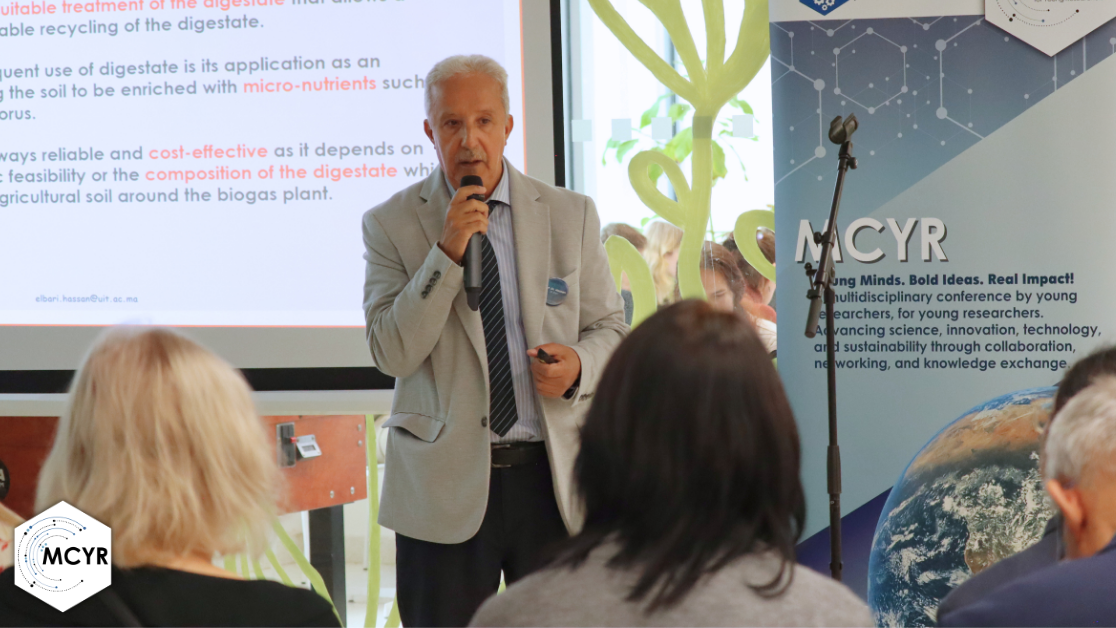
Prof. Dr. Hassan El Bari, Professor at Ibn Tofail University in Morocco, delivered the keynote lecture “The Role of Bioenergy in Achieving a Circular Economy: Toward a Sustainable Society.”
Drawing on his extensive experience in waste management, circular economy, biomass valorisation, bioenergy and anaerobic digestion, his lecture explored how research and innovation can contribute to more sustainable resource use and circular systems.
The second keynote, Dr. Inge Stegeman, Associate Professor at University Medical Center Utrecht and coordinator of the OSIRIS consortium, focused on another essential part of research impact: how science itself is conducted.
Her lecture, “Making Open Science Work,” brought attention to research quality, transparency, reproducibility and responsible research practices — reminding participants that impactful science depends not only on what we discover, but also on how openly, reliably and collaboratively research is carried out.
More Than Oral Presentations
MCYR 2026 was designed to create different ways for participants to share and discuss research.
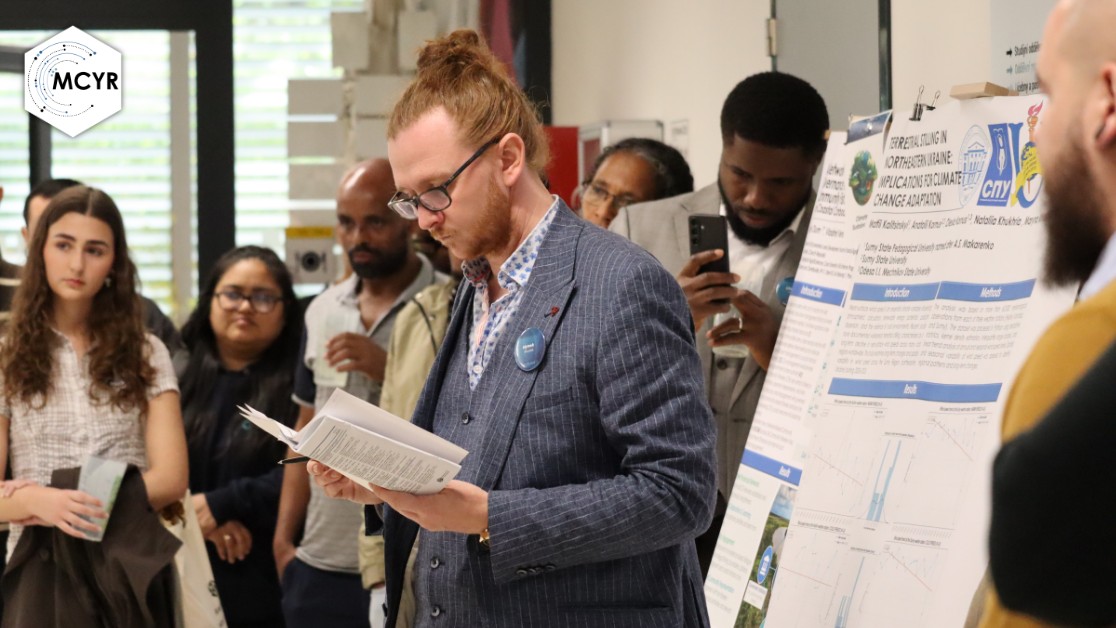
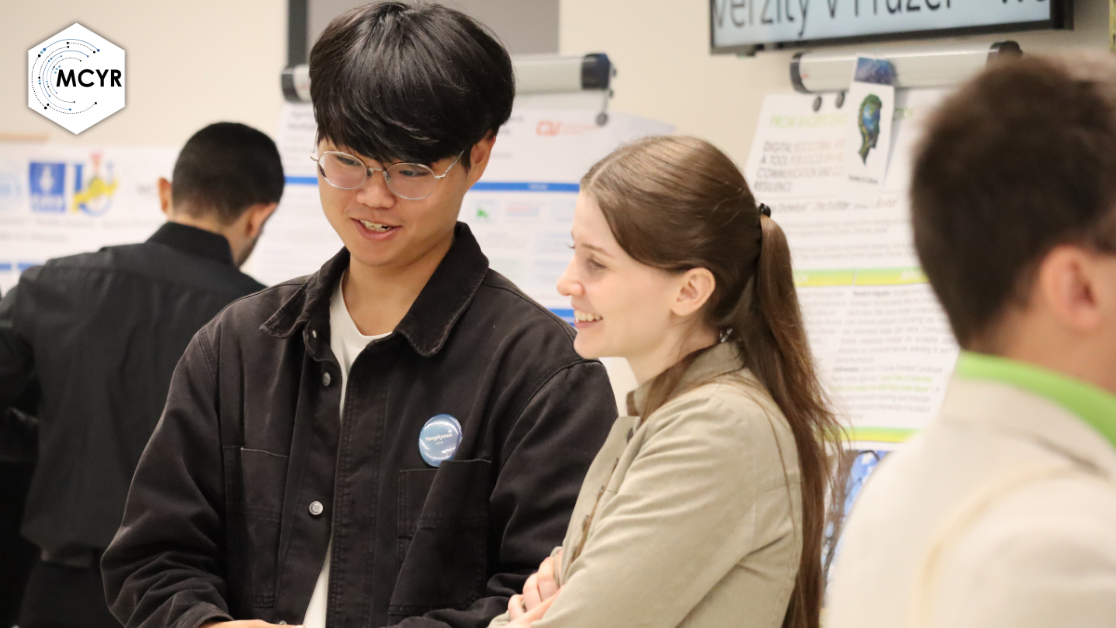
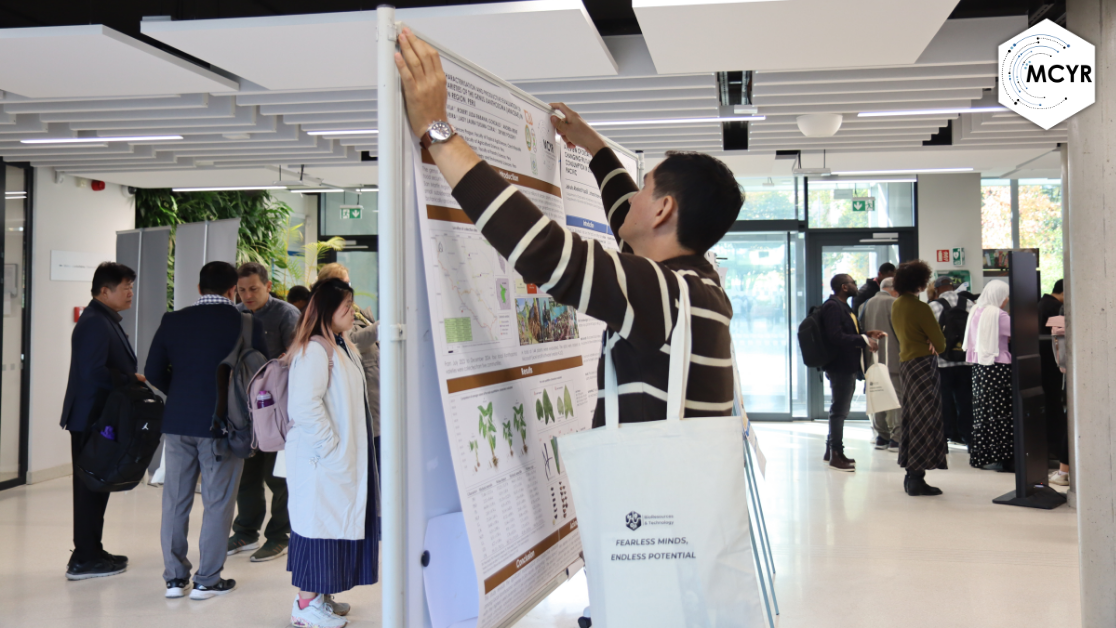
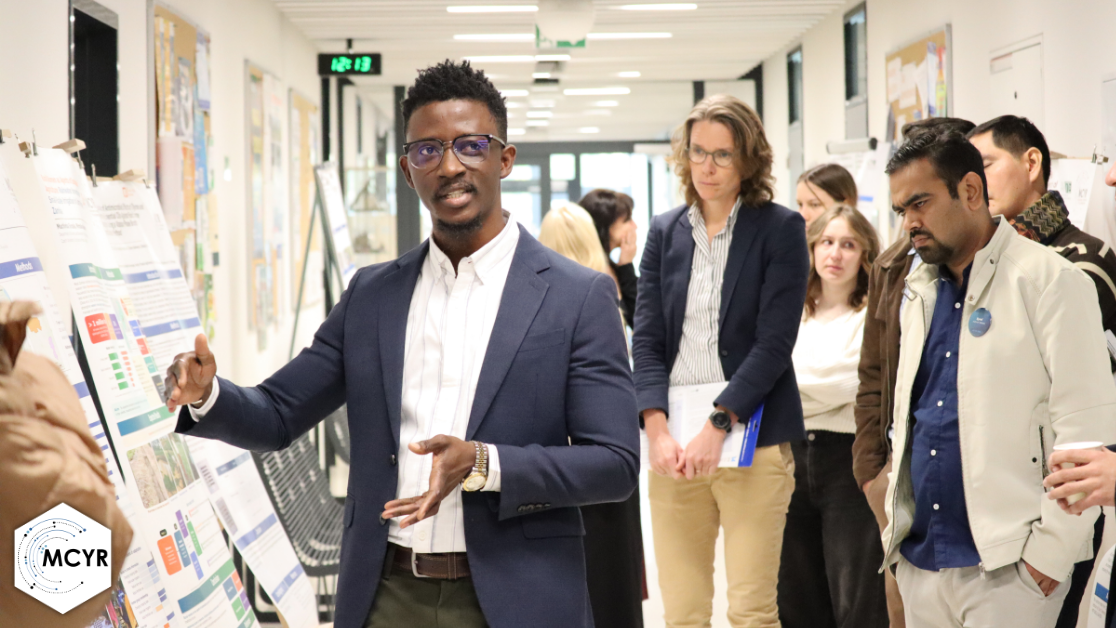
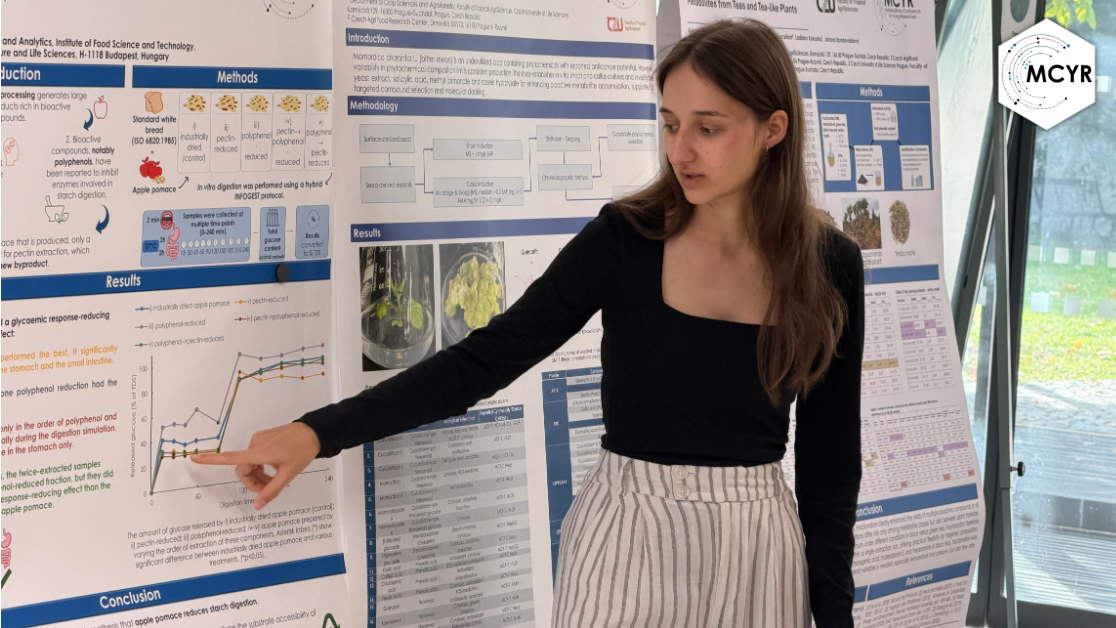
The poster session gave researchers the opportunity to step away from the formal presentation setting and speak directly with participants about their work. These conversations created space for questions, explanations and exchanges that often continue well beyond the few minutes available in a standard presentation.
Two interactive workshops added a practical dimension to Day 2. “Hands-on Tissue Optics: Fabrication of Optical Tissue Phantom,” organised by Uliana Finaeva from the Czech Technical University in Prague, introduced participants to optical tissue phantoms and their use in biomedical research through hands-on preparation and spectroscopy measurements.
The workshop “Talking About Climate Change with Children: From Awareness to Agency,” led by Lucie Horelicova and Veronika Navratilova from Palacký University Olomouc, explored how climate change can be communicated to children in ways that strengthen climate literacy, confidence and agency. Participants also developed ideas for future educational activities and communication tools.
Turning Research into a Story
This year, MCYR also challenged participants to think beyond the traditional scientific formats of abstracts, posters and oral presentations.
Through the “Your Research, Your Story” Blog Writing Competition, young researchers were invited to take the scientific contribution they presented at MCYR and communicate it in a completely different way: as an accessible and engaging story for a non-specialist audience.
The competition reflects an important part of the MCYR philosophy. Young researchers need to be able to communicate their work with scientific rigour within academia — but they also need to explain why that work matters to people outside their field.
Stay tuned to read the winning entries!
Celebrating Strong Research and Strong Communication
MCYR 2026 concluded with the conference wrap-up and Awards Ceremony, recognising the best presenters across the scientific sessions and poster presentations.
The Best Presenter awards went to Thoniso Chitambala in Animals & Ecology, Manvendra Kumar in Plants & Agriculture, Balázs Boncsarovszki in Society & Culture, and Yana Prados in Climate & Sustainability. Victoria Manzato Jhonnel Villegas and Mercy Mukite Barasa were also recognised as Best Presenters for their scientific posters.
The awards celebrated not only the quality of the research presented, but also the ability to communicate complex ideas clearly, confidently and effectively.
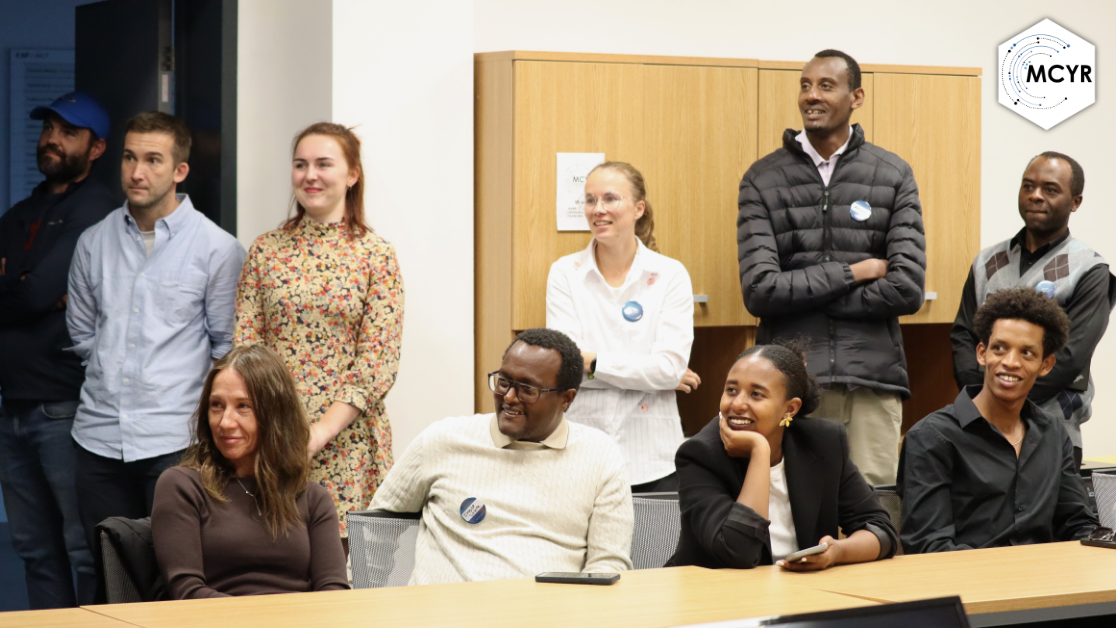
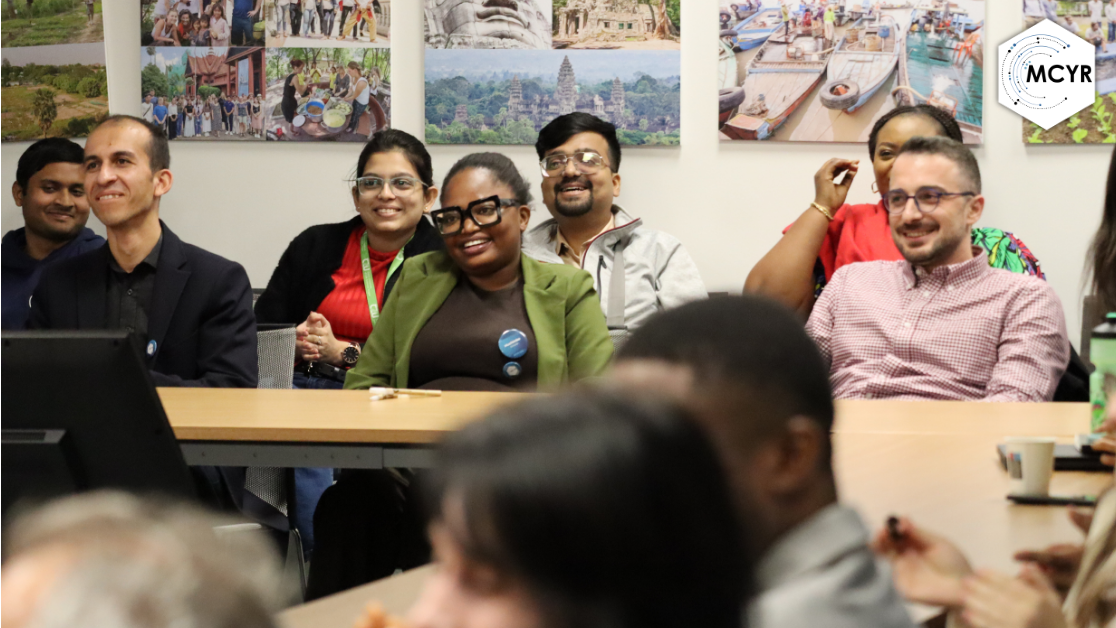
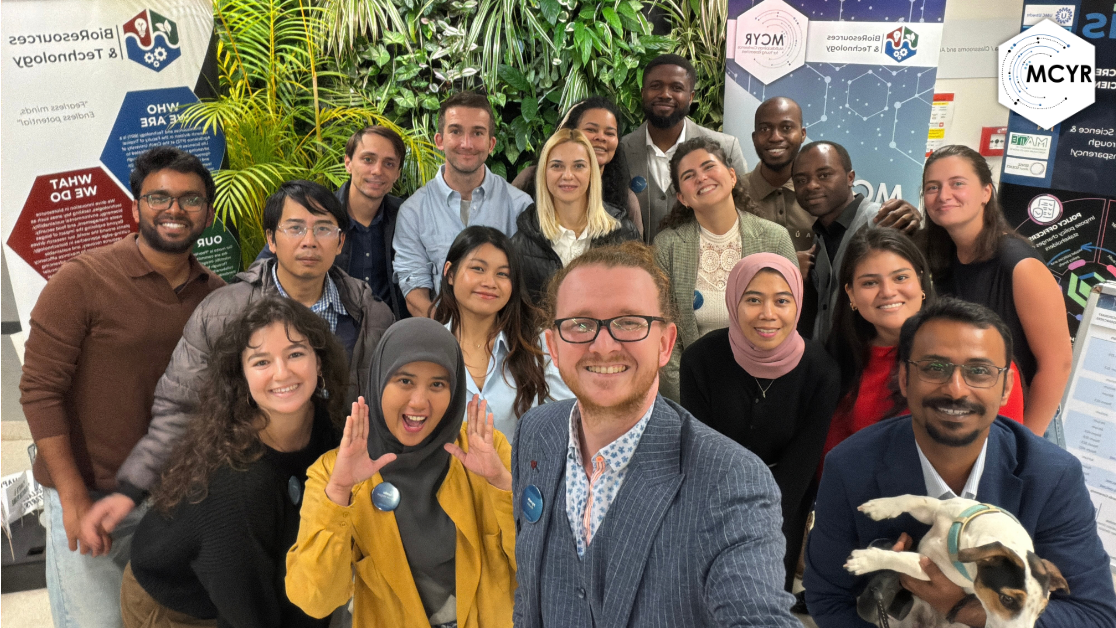
For many participants, however, the value of the conference went far beyond the formal programme. Across coffee breaks, sessions, posters, workshops and informal conversations, MCYR created opportunities to meet researchers from other disciplines, exchange experiences and build new connections.
The Conference Is Over — But There Is Still Much More to Come
The closing ceremony may have marked the end of the two-day programme, but MCYR 2026 is far from finished.
Over the coming weeks, we will continue revisiting the conference and sharing more of the people, research and moments that made this year’s edition special.
A photo album will take us back through the atmosphere of the conference.
An upcoming MCYR 2026 recap video will bring together highlights from across the two days and offer another look at the energy of this year’s event.
We will also continue sharing voices from participants, giving young researchers the opportunity to reflect on their experience, their work and what they took away from the conference.
And there is still more research to discover. The winning entries from the “Your Research, Your Story” Blog Writing Competition will be shared so that readers can explore the science presented at MCYR directly through the stories of the researchers behind it.
To everyone who presented, participated, organised, asked questions, joined discussions and helped bring this year’s conference to life: thank you.
See you at MCYR 2027!
Discover more about MCYR: https://mcyr.ftz.czu.cz/en
For more details on BRT activities, subscribe to our newsletter or follow us on social media for regular updates and highlights!