From Prague to the Aegean: Presenting Phosphogypsum Valorisation Research at KOS 2026
Scientific conferences are an important part of academic and professional development, giving researchers the opportunity to share their work, exchange ideas, and connect with the wider scientific community.
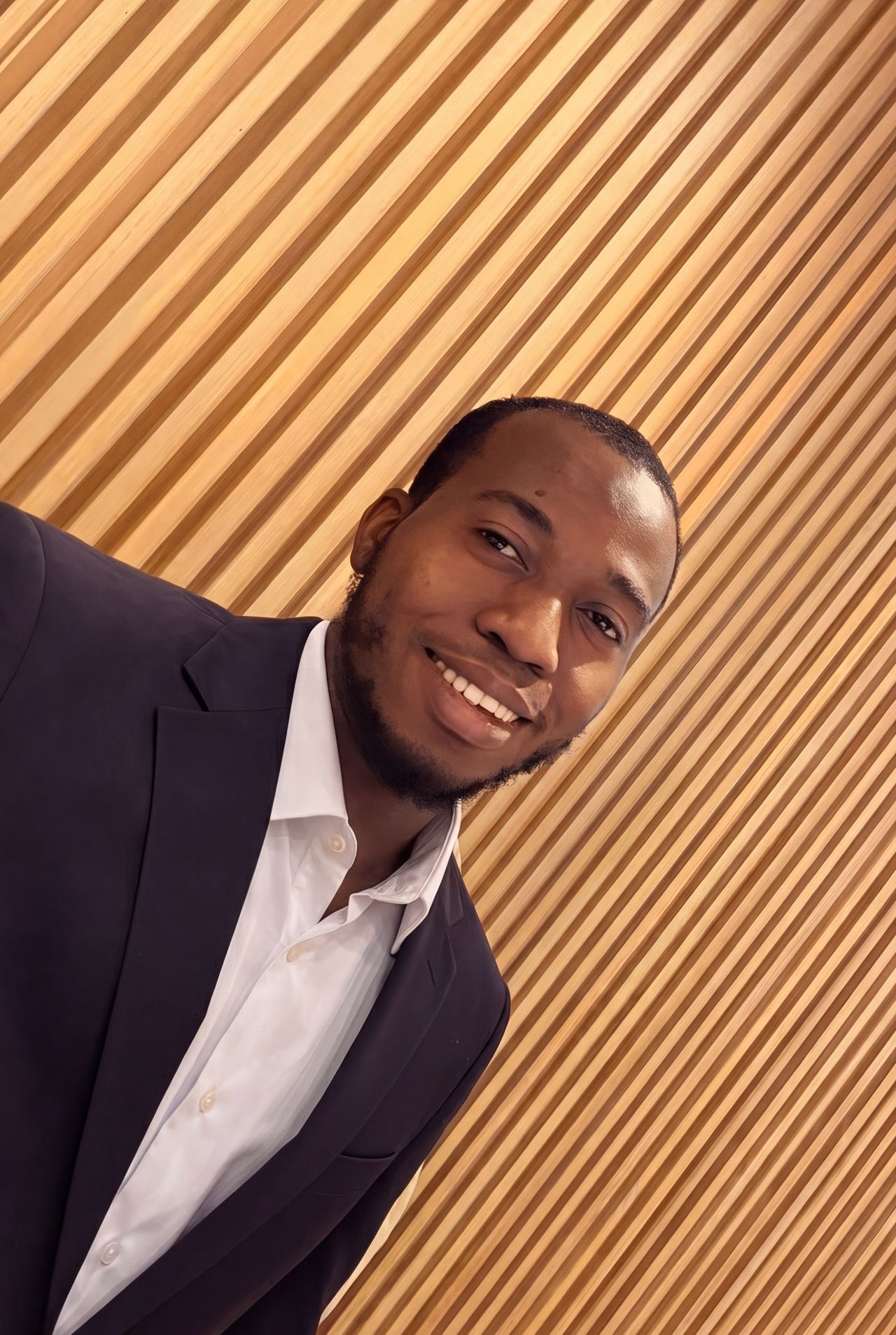
BRT PhD student, AbdulAzeez Shobajo, shares insights from his experience at the 13th International Conference on Sustainable Solid Waste Management (KOS 2026).
Enjoy reading about his conference experience!
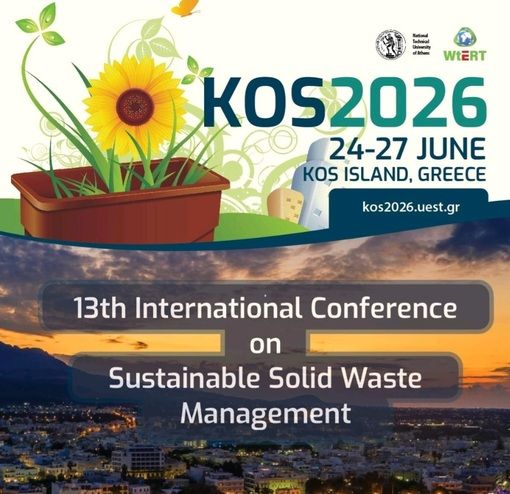
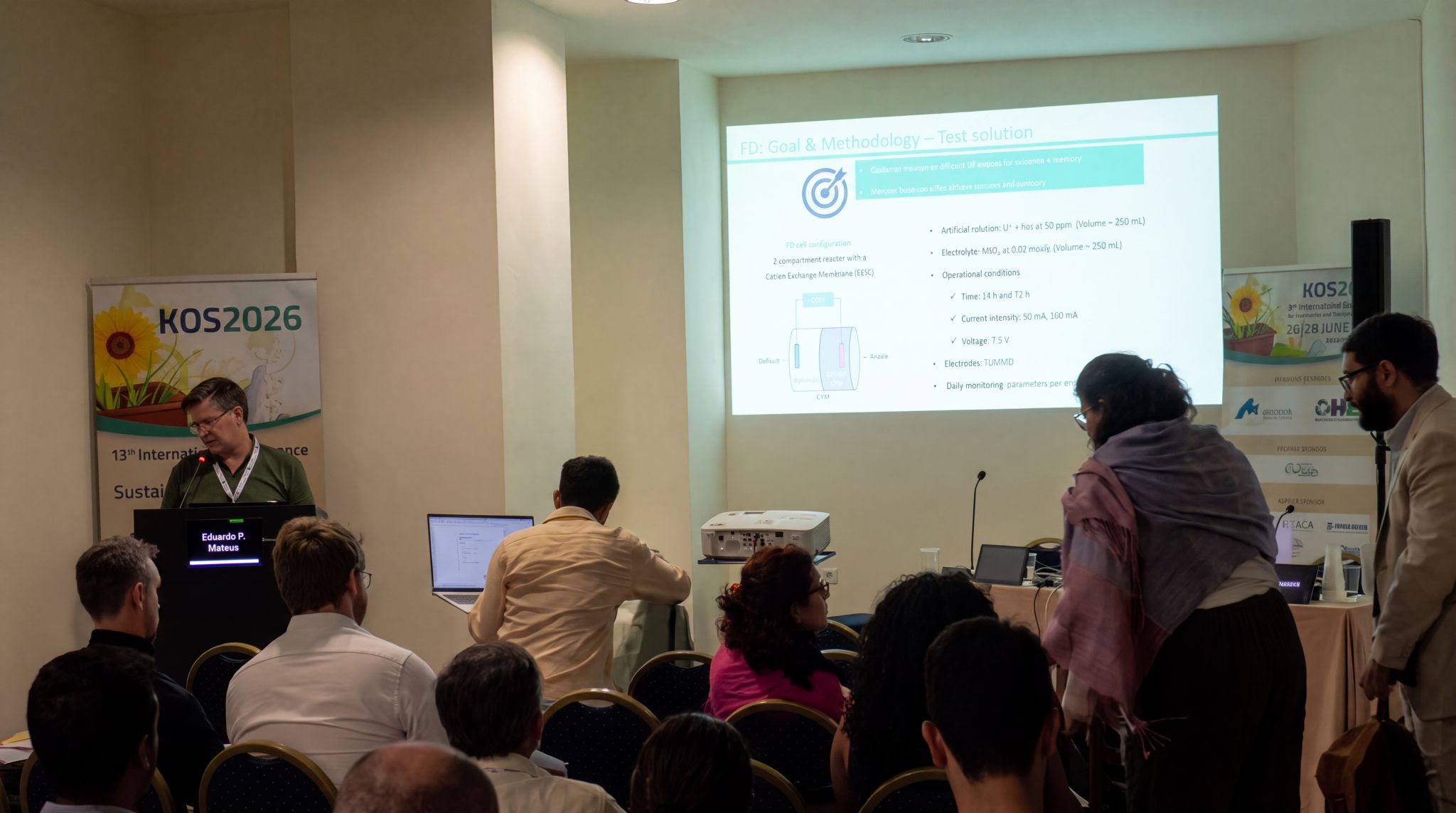
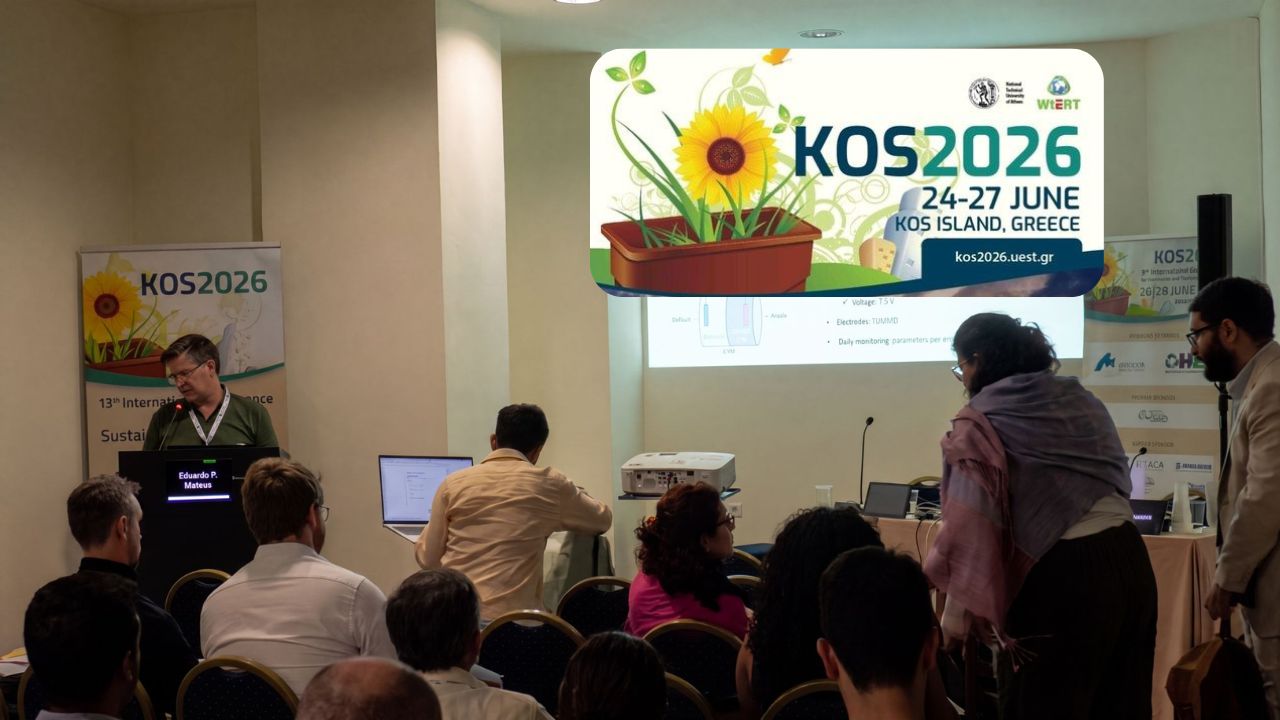
The island of Kos, Greece, became the meeting point for the global waste management research community as it hosted the 13th International Conference on Sustainable Solid Waste Management (KOS 2026). The conference was jointly organised by the Unit of Environmental Science & Technology of the National Technical University of Athens (NTUA), the Global Waste-to-Energy Research and Technology Council, the Region of South Aegean, and the Municipality of Kos. The program brought together approximately 1,000 participants from academia, industry, local authorities, and policy institutions, with more than 500 presentations across twenty-eight oral sessions and a poster session of 190 contributions.
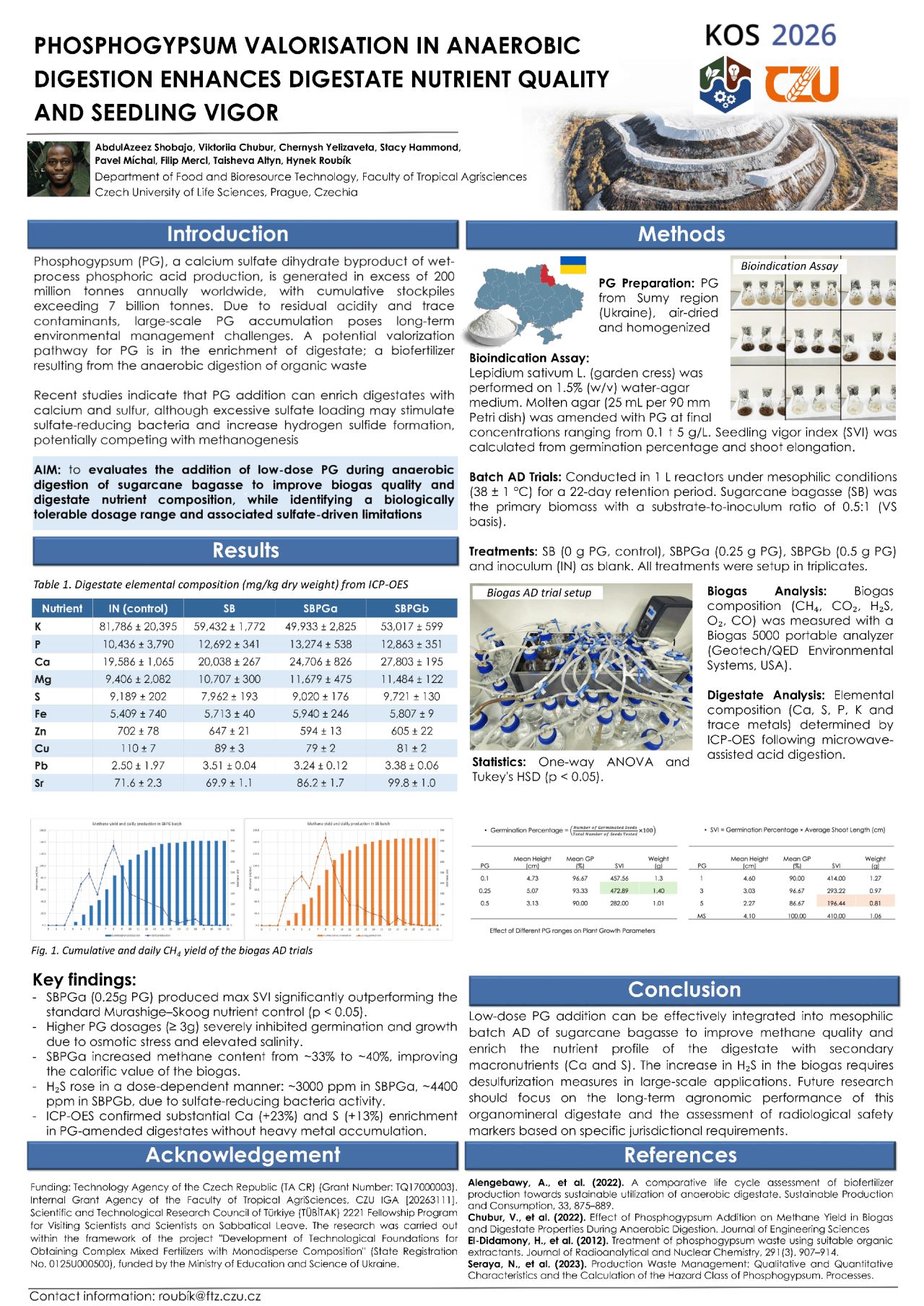
I had the privilege of representing the BioResources & Technology Division (BRT) with a poster contribution from my doctoral research, titled "Phosphogypsum Valorisation Enhances Seedling Vigor and Digestate Nutrient Enrichment in Anaerobic Digestion of Lignocellulosic Biomass." I presented findings from our batch anaerobic digestion trials investigating low-dose phosphogypsum (PG) addition during the mesophilic digestion of sugarcane bagasse. The reasearch focuses on a valorisation pathway in which controlled PG dosing enriches the resulting digestate with secondary macronutrients while remaining within a biologically tolerable range. Presenting this work to an audience of this calibre placed our research within the broader European conversation on digestate upgrading, bio-based fertilisers, and industrial by-product valorisation.
What made KOS 2026 particularly relevant for our division was how closely the scientific programme mapped onto BRT's research priorities. The LIFE DIMITRA and Anaerobic Digestion sessions addressed the valorisation of anaerobic digestates into bio-fertilisers for climate-friendly agriculture. There were also sessions by the LANDFEED and FERTICOVERY group who examined the transformation of waste streams into sustainable biofertilisers and the recovery of fertilising products from secondary raw materials. They also discussed structured methodologies for screening and prioritising candidate technologies.
There were two research presentations that actually caught my interest as they dealt directly with phosphogypsum from complementary angles. These were studies on valorisation of rare earth elements from phosphogypsum wastes into battery materials, and phosphogypsum as a secondary source for construction gypsum and rare earth elements. Seeing the very feedstock at the centre of my doctoral research approached through critical raw materials recovery shed light on how multidimensional PG valorisation has become, and how much room exists for integrated approaches combining agronomic, energetic, and material recovery pathways.
My sincere gratitude goes to my supervisor, BRT Director Assoc. Prof. Dr. Hynek Roubík, my co-supervisors Assoc. Prof. Dr. Yelizaveta Chernysh, research mentor Asst. Prof. Dr. Viktoriia Chubur, as well as all co-authors, for their guidance and support, and to the organisers at NTUA for an outstanding conference.
For more details on BRT activities, subscribe to our newsletter or follow us on social media for regular updates and highlights!