MWAZACO Field Insights: The Ecological Effects of Mining in the Copperbelt
The Mine Water Atlas of the Zambian Copperbelt (MWAZACO) project is a collaborative initiative focused on safeguarding drinking and irrigation water resources across Zambia’s Copperbelt Province. The project is implemented by Future Resources Development z.s. (FRDA) in partnership with the Czech University of Life Sciences Prague (CZU), OPV s.r.o., HYDRO-PUR s.r.o., and key Zambian stakeholders, including the Mines Safety Department (MSD) and Copperbelt University (CBU).
MWAZACO aims to address one of the region’s most pressing environmental challenges: the contamination and management of water resources affected by intensive mining and metallurgical activities. Through research, monitoring, and collaboration with local partners, the project contributes to a better understanding of the environmental impacts associated with mining across the Copperbelt.
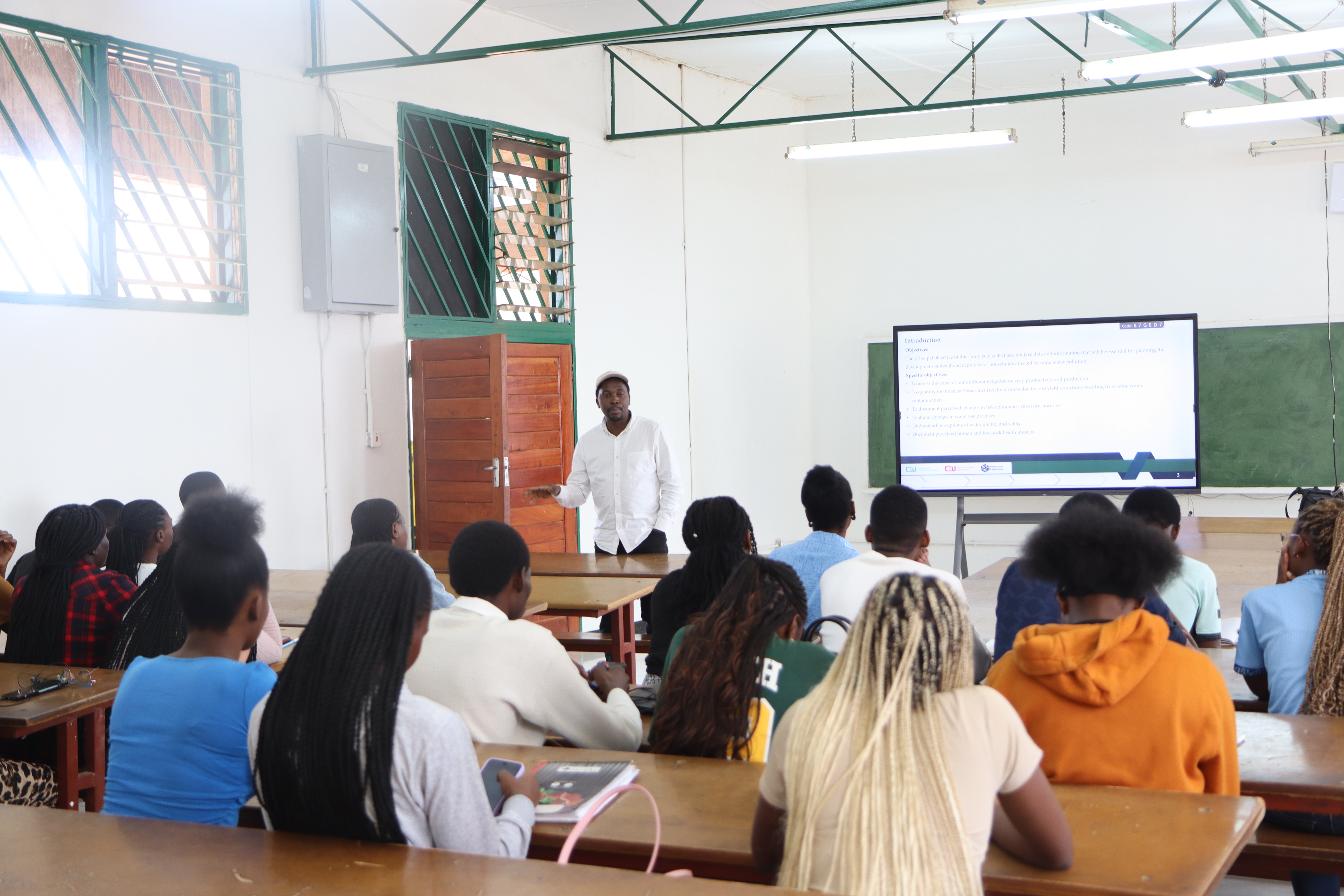
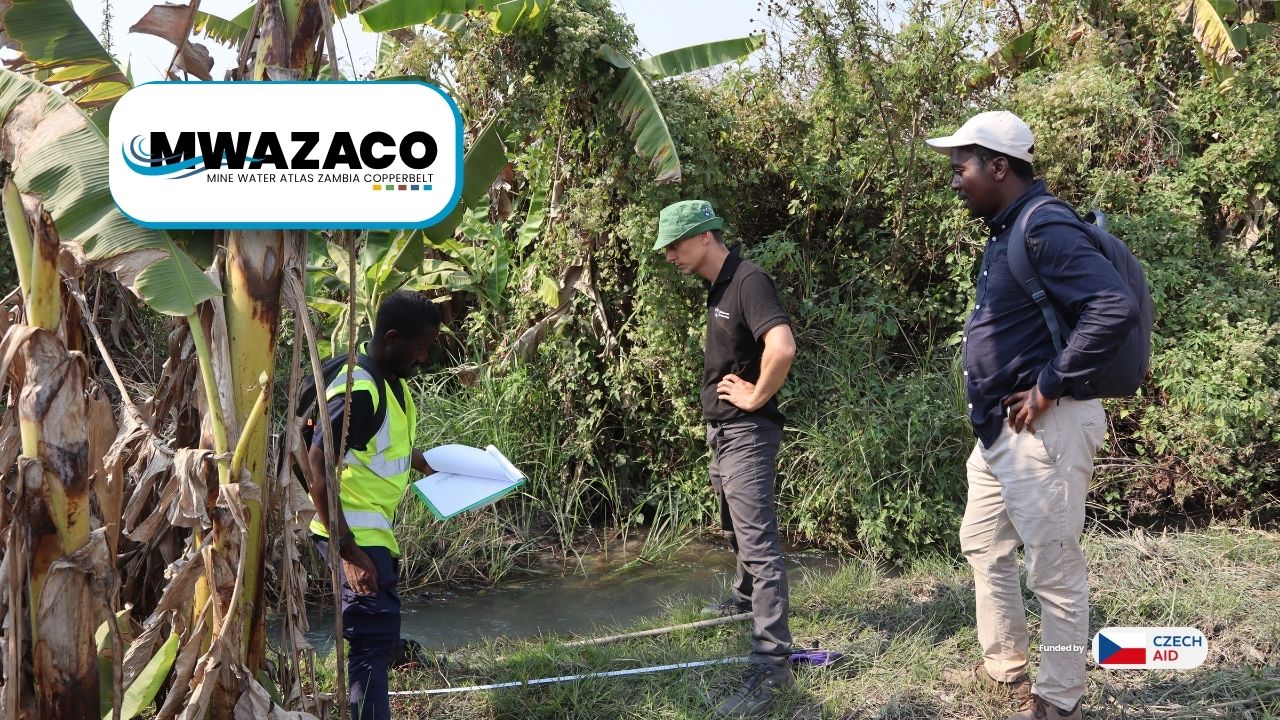
Last month, BRT PhD student Antoine Bercy and researcher Dr. Chama Theodore Ketuama travelled to Zambia representing CZU as part of the MWAZACO project. During the visit, they took part in project activities on the ground.
Read Antoine’s firsthand account of their experience below!
Last month, Chama and I went on a field trip to the Copperbelt Province in northern Zambia. As the name suggests, this is an area with intensive mining activity. Mining brings important economic benefits to the country, but it can also put significant pressure on the surrounding environment, particularly on water quality. This is one of the main concerns addressed by MWAZACO, a project aimed at mapping water quality across the province and developing a pilot wastewater treatment plant to help treat heavily polluted mine waters.
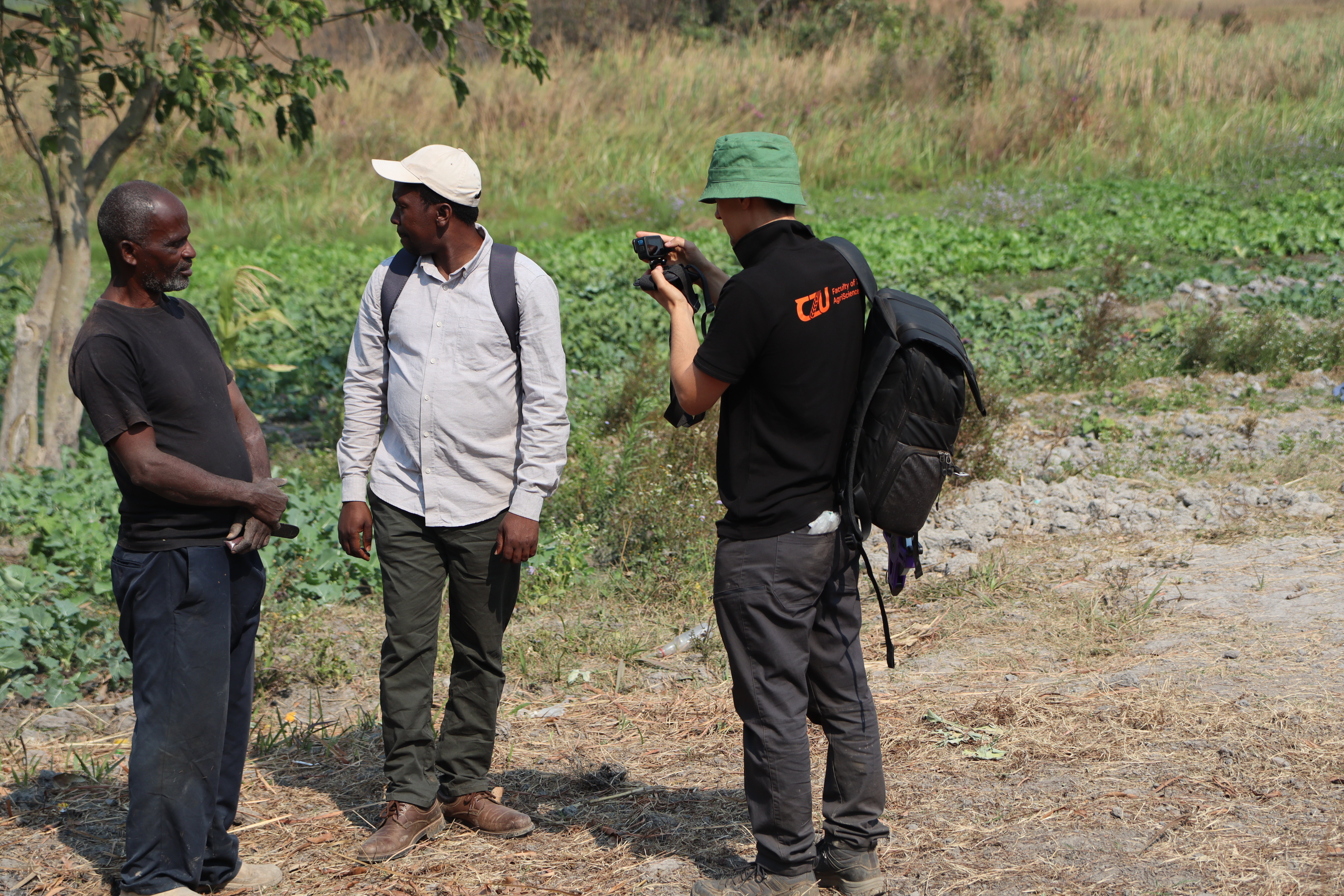
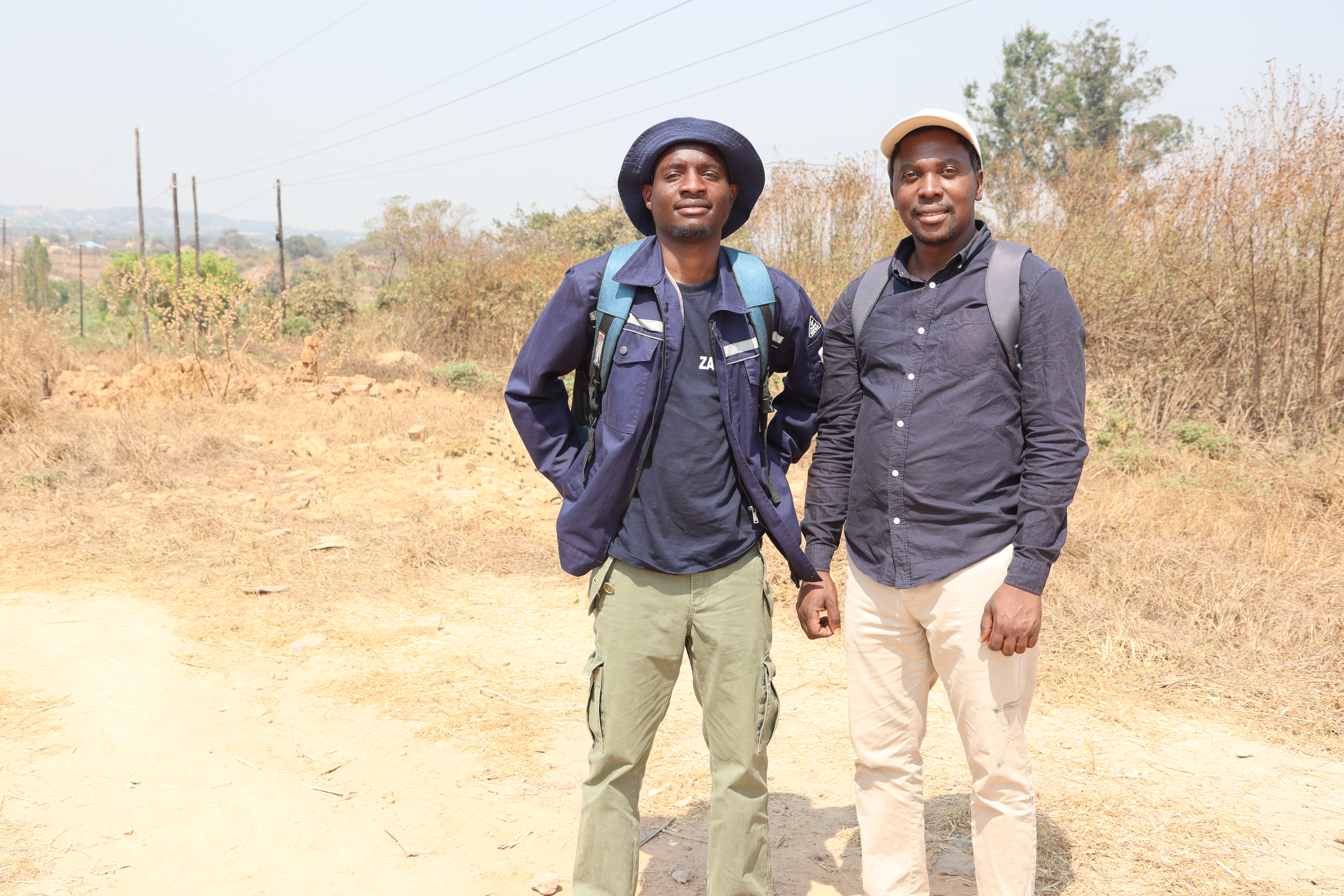
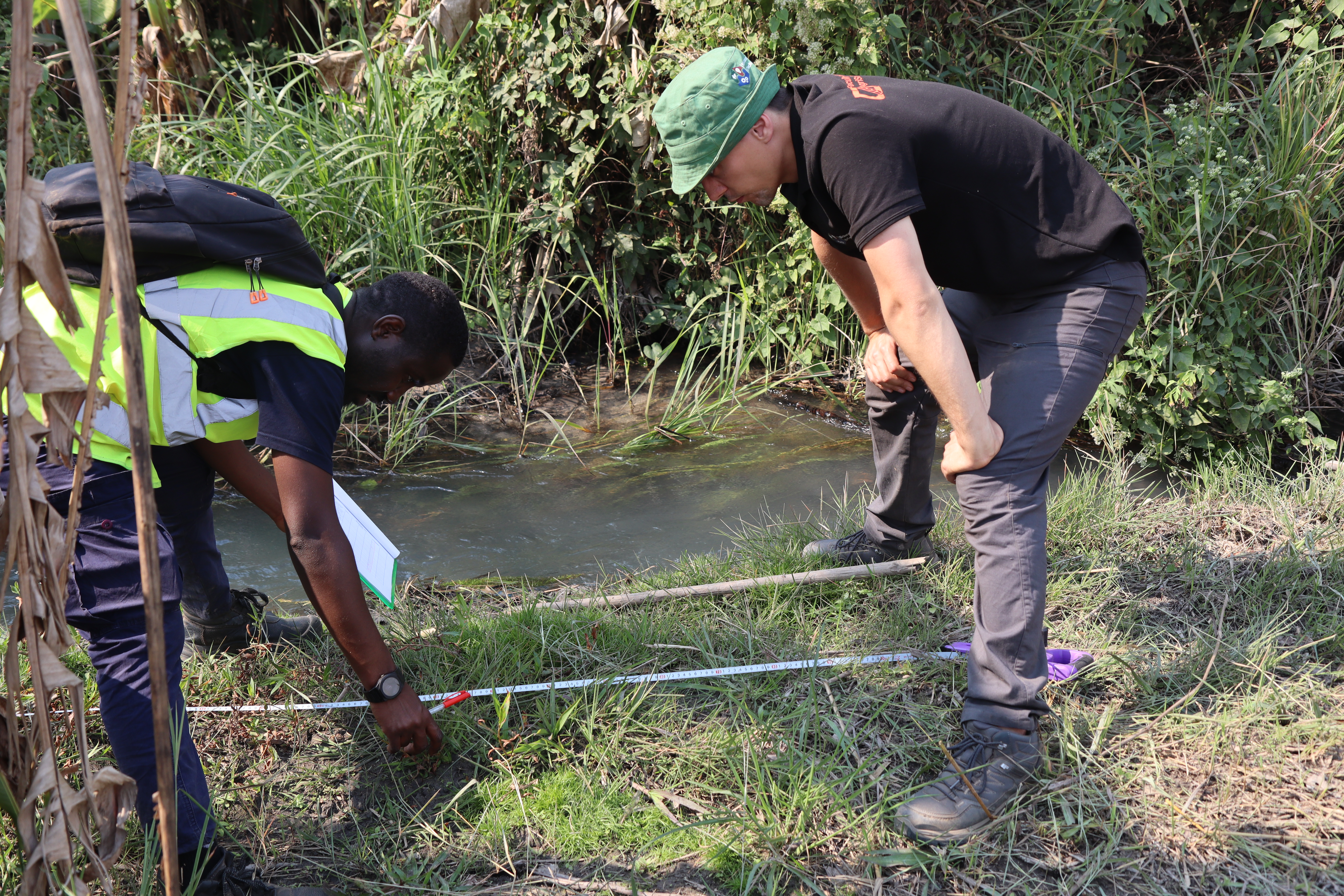
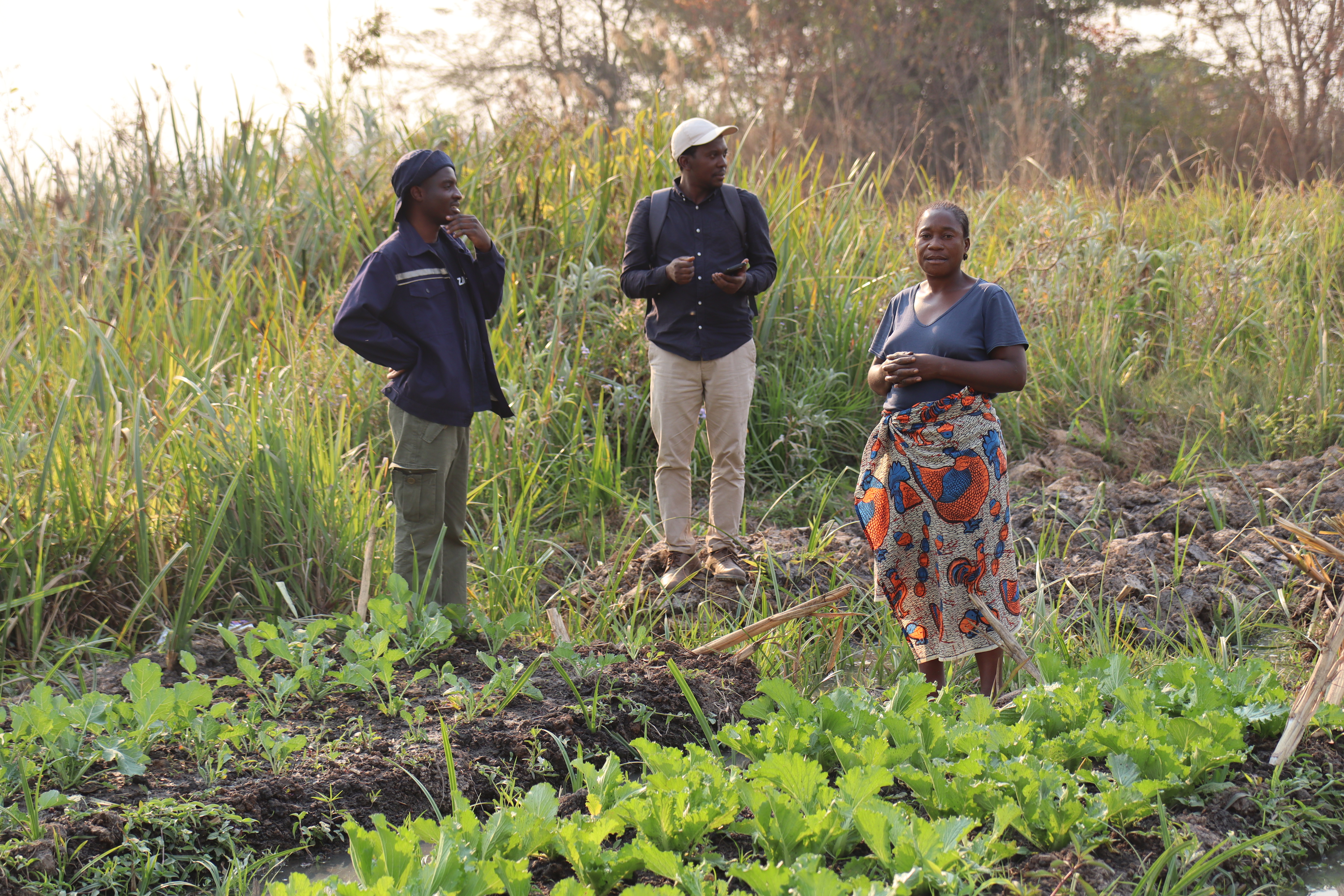
Together with two students from Copperbelt University, Chibwe and Harrison, we travelled around the province to better understand the current state of the river systems and the surrounding environment. Chama joined the fieldwork from a socio-economic perspective, interviewing farmers about their experiences and how conditions in the area have changed over time. My focus was on the ecological health of these areas, particularly the diversity and condition of the surrounding vegetation.
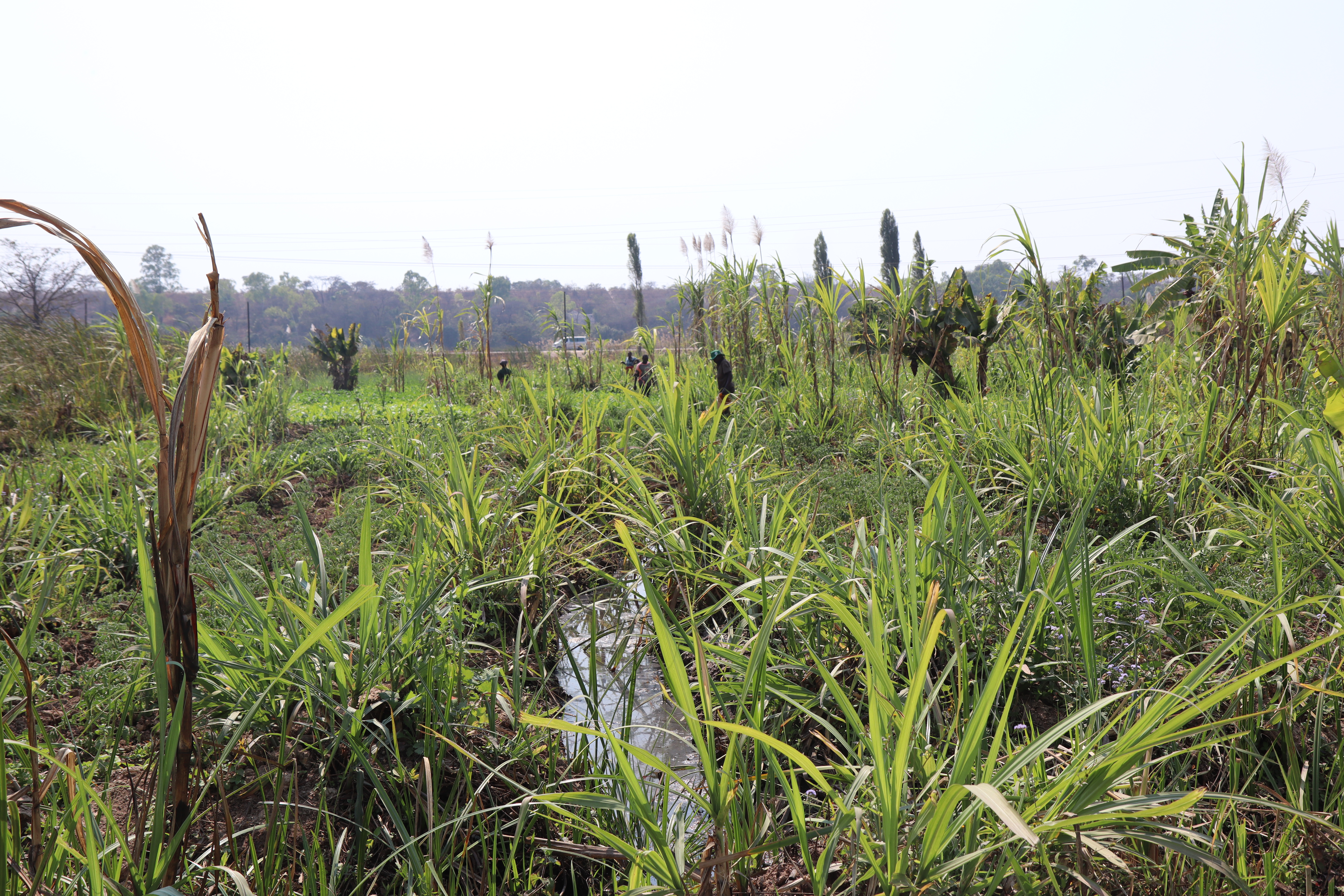
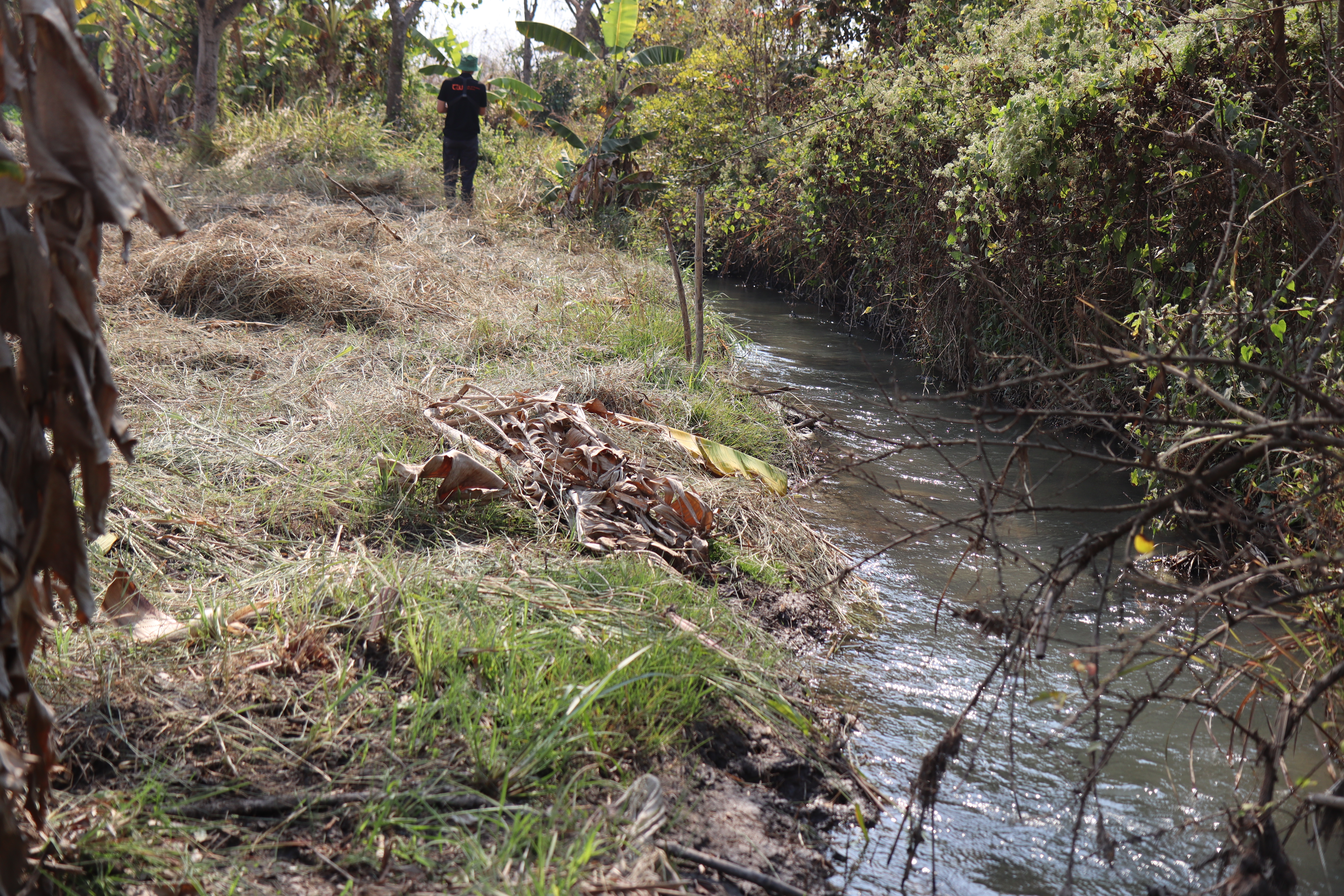
My work involved assessing different stretches of wetlands located close to mining areas and looking at several indicators of ecological health. For example, we observed whether the vegetation was stratified, meaning that there were different layers such as ground vegetation, bushes, and trees. This kind of structure can indicate a more diverse, stable, and resilient ecosystem. We also looked at whether the ground was consistently covered by vegetation and how diverse the plant communities were. Rather than seeing only one dominant type of grass, for example, a healthier wetland would normally contain a wider variety of grasses, flowering plants, vines, shrubs, and other vegetation.
The results in many of the areas we visited were quite striking. We encountered abandoned land, damaged crops, and wetlands where the vegetation appeared to be strongly degraded. In several locations, large areas were dominated by a single type of grass, even though wetlands are normally expected to support a much richer diversity of plants, insects, and other organisms.
This loss of ecological diversity is important because healthy vegetation provides several ecological services. It can help protect the soil from erosion, reduce the movement of pollutants through the landscape, and act as a natural buffer between contaminated areas and surrounding water systems. When these functions are weakened, there is a greater risk that contaminants can move into rivers, agricultural land, and potentially into sources of drinking water and food.
There is still a lot of work needed to support a more sustainable mining sector in the Copperbelt Province. We hope that our work, together with the wider activities of MWAZACO, can help demonstrate the extent of these environmental challenges and contribute to finding solutions that can lead to meaningful change.
Learn more at the project website: HERE
The MWAZACO project is supported by the Czech Development Agency (CzechAid) under the Czech Development Cooperation programme.
For more details on BRT activities, subscribe to our newsletter or follow us on social media for regular updates and highlights!