Beyond the Laboratory: Exploring Sustainability in Uzbekistan through Erasmus+
To broaden and develop the professional skills of our team members and widen their scientific network and cultural experiences, the BRT encourages its students to embark on various internships, traineeships, academic mobilities, and development opportunities. These opportunities are connected to their scientific journey and enable them to have hands-on, practical and in-field experiences, which are critical to their future careers.
Our PhD student, Chhorth Chhiengputheavy, shares insights from her experience at the Tashkent State Technical University (TSTU) in Uzbekistan.
Enjoy reading as she takes you on her journey!
In June 2026, I had an opportunity to participate in an Erasmus+ student mobility traineeship at Tashkent State Technical University (TSTU) in Uzbekistan. As a PhD student at the BioResources & Technology Division (BRT), the mobility allowed me to learn and understand more about sustainable waste management, renewable energy, and research practices while also experiencing a different academic and cultural environment.
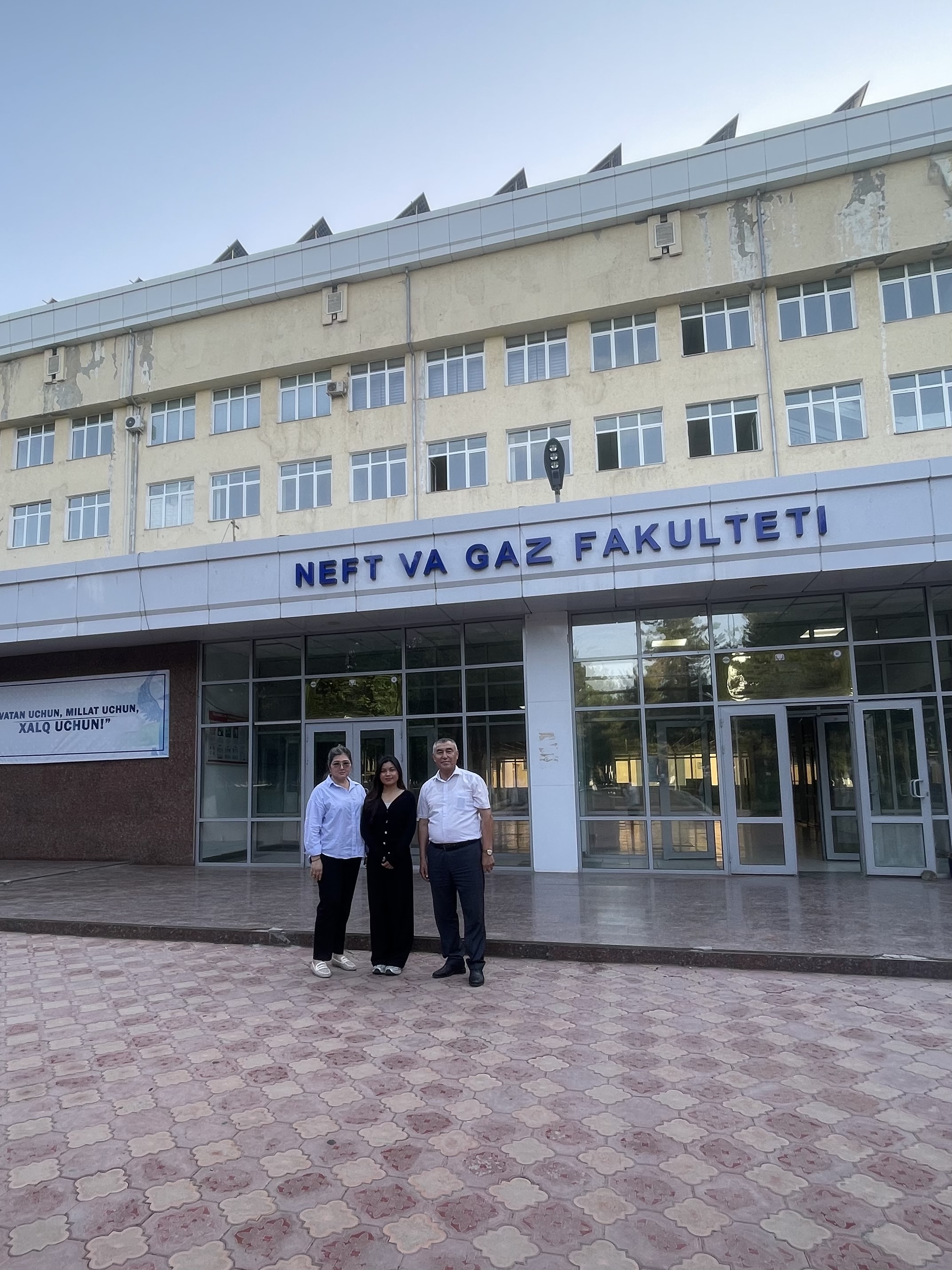
During the mobility, I visited the laboratories in the Faculty of Oil and Gas and had the opportunity to collaborate directly with researchers which helped me understand how different studies approach environmental challenges using locally available resources and technologies. I explored research on plastic pyrolysis, industrial waste recycling, biomass utilisation, cellulose extraction from Miscanthus and textile recycling. I also had an opportunity to look into the social aspects of the mining sector while experiencing Uzbekistan’s warm hospitality, rich culture, and vibrant academic environment.
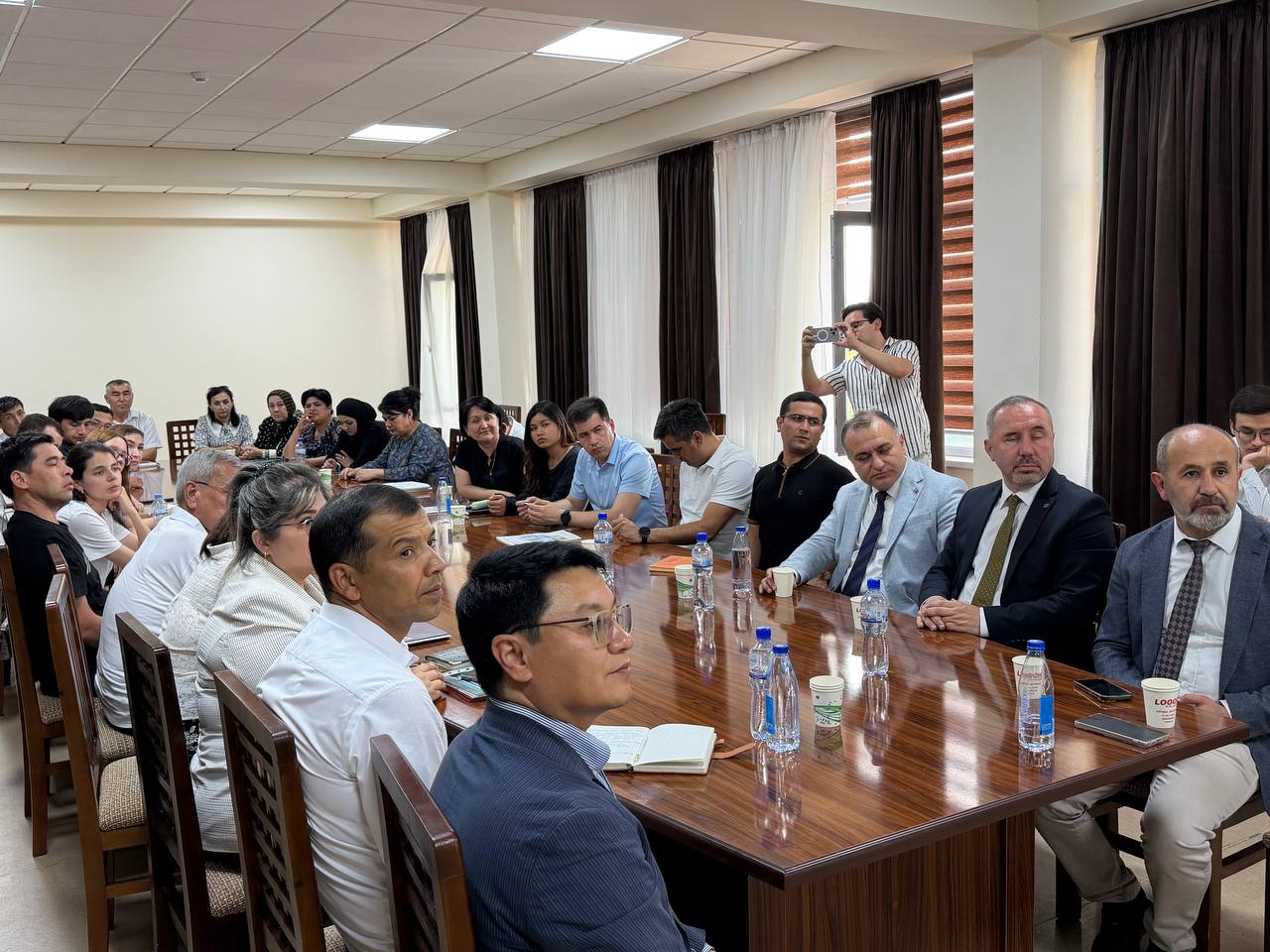
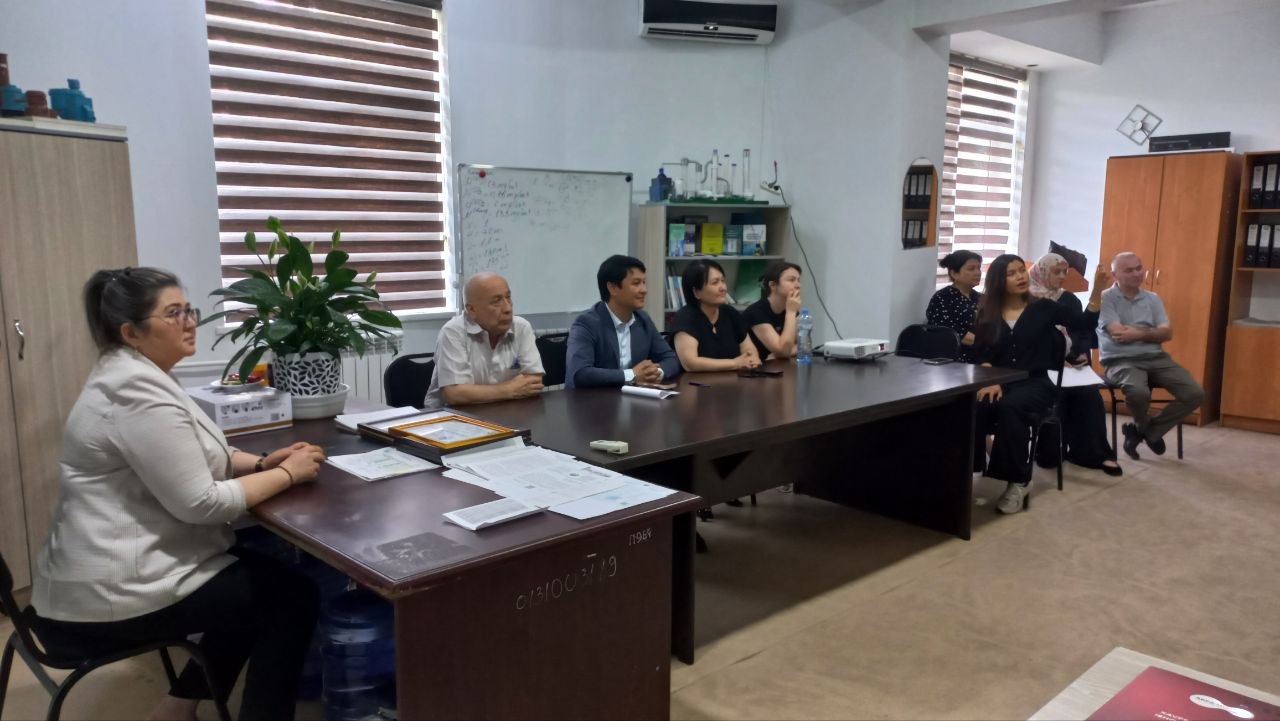
One of the most interesting parts of my mobility was learning about the social dimension of sustainability since Uzbekistan has a large mining industry and extensive use of natural gases use across the country. Through my discussions with both researchers and people in the community, I learned that Uzbekistan’s mining sector plays an important role in the country’s economy. During discussions with researchers, I gathered that electric vehicles are becoming increasingly common in Uzbekistan because electricity is affordable and the charging infrastructure is easily accessible. On the other hand, I was surprised to learn that many workers expressed satisfaction with their jobs because of benefits from the government such as health insurance, housing support, and reasonable salaries. It reminded me that sustainability is not only about technology or science, but also about the people and their quality of life. Both sustainable technology and people's well-being go hand in hand. In addition to research activities, I attended a master’s degree thesis defence, which provided an interesting opportunity to observe academic practices at TSTU. I also had a chance to participate in welcoming an international delegation from Turkish University, highlighting the importance of international cooperation in higher education, especially in the research environment.
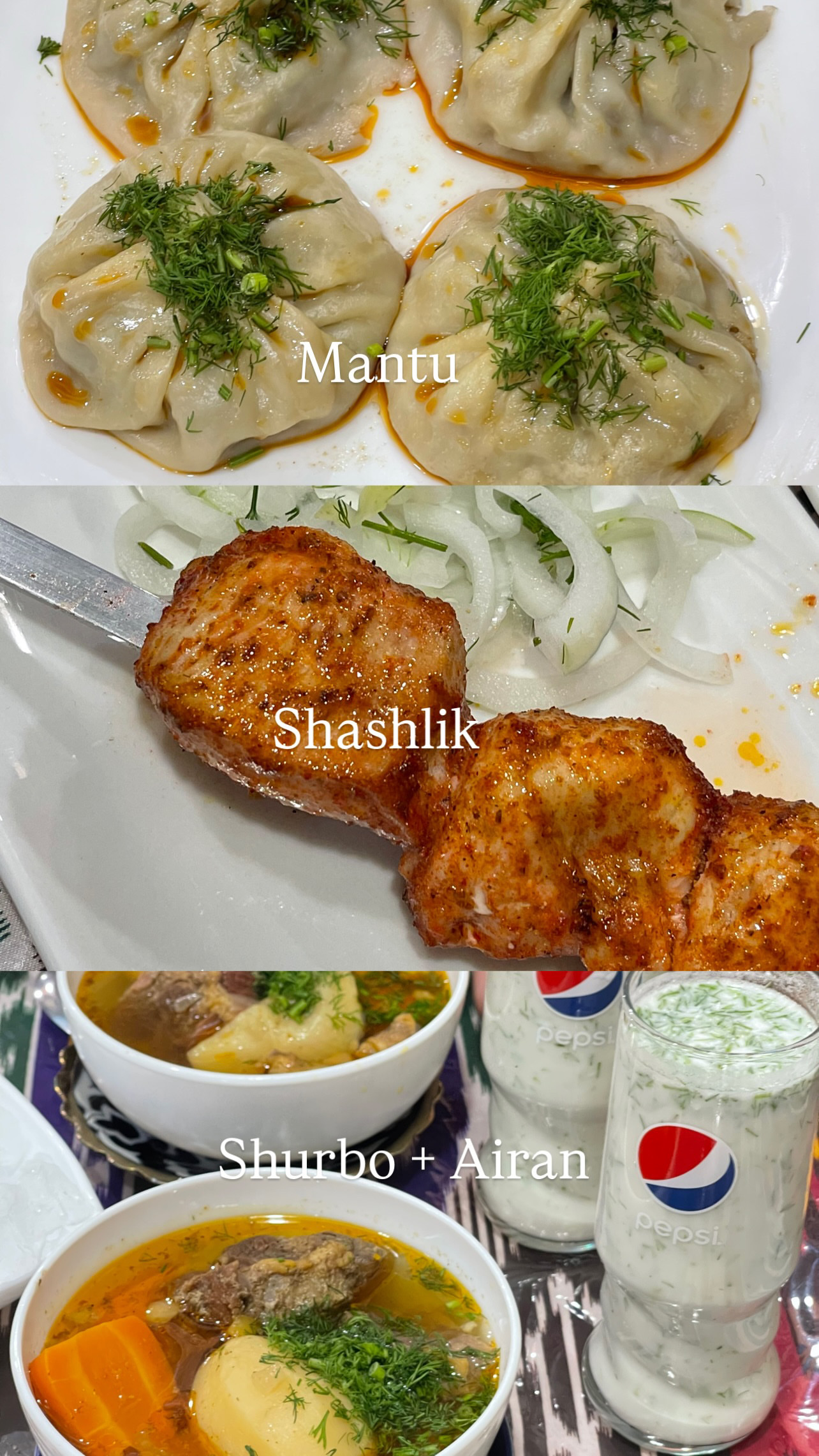
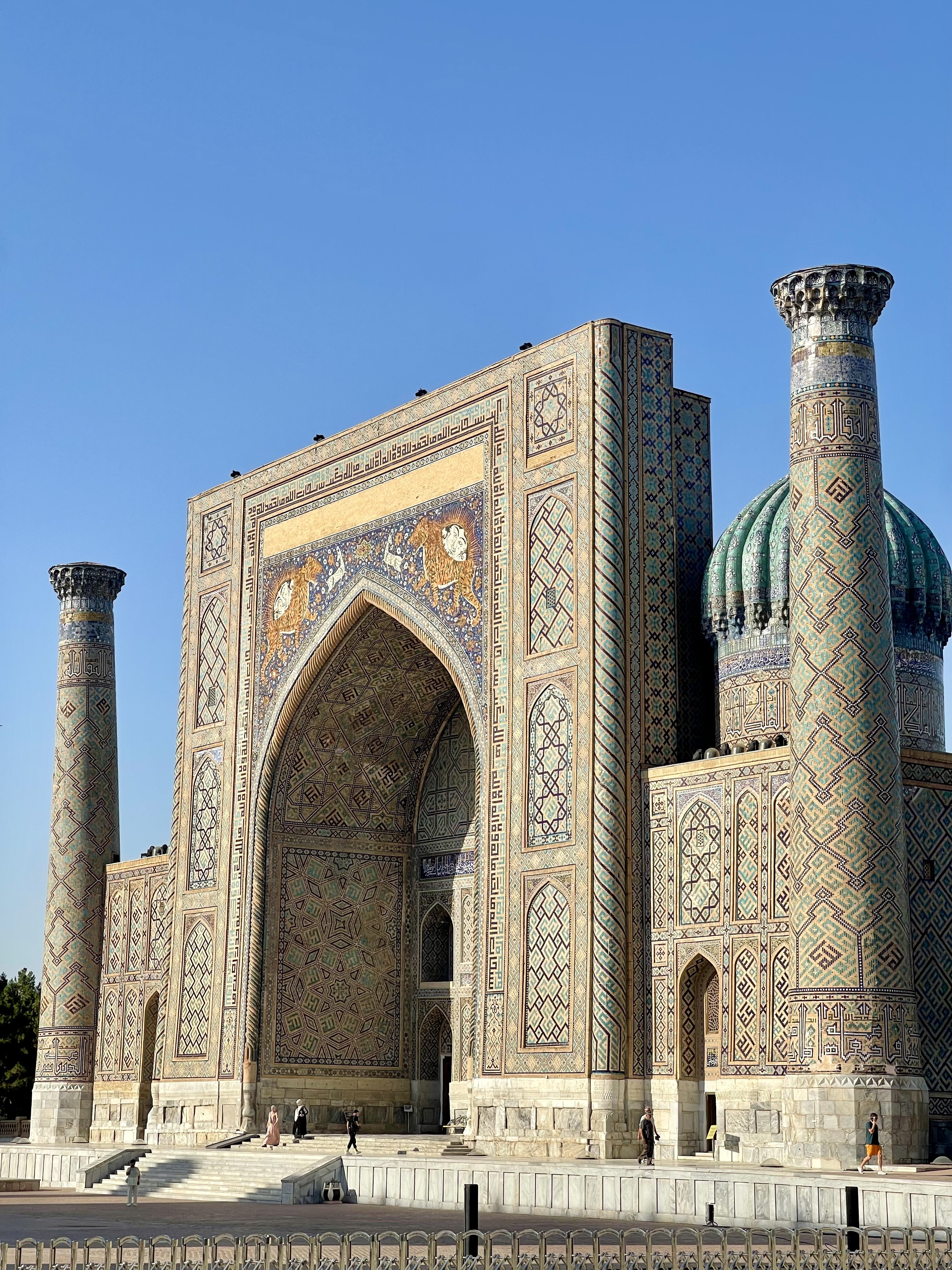
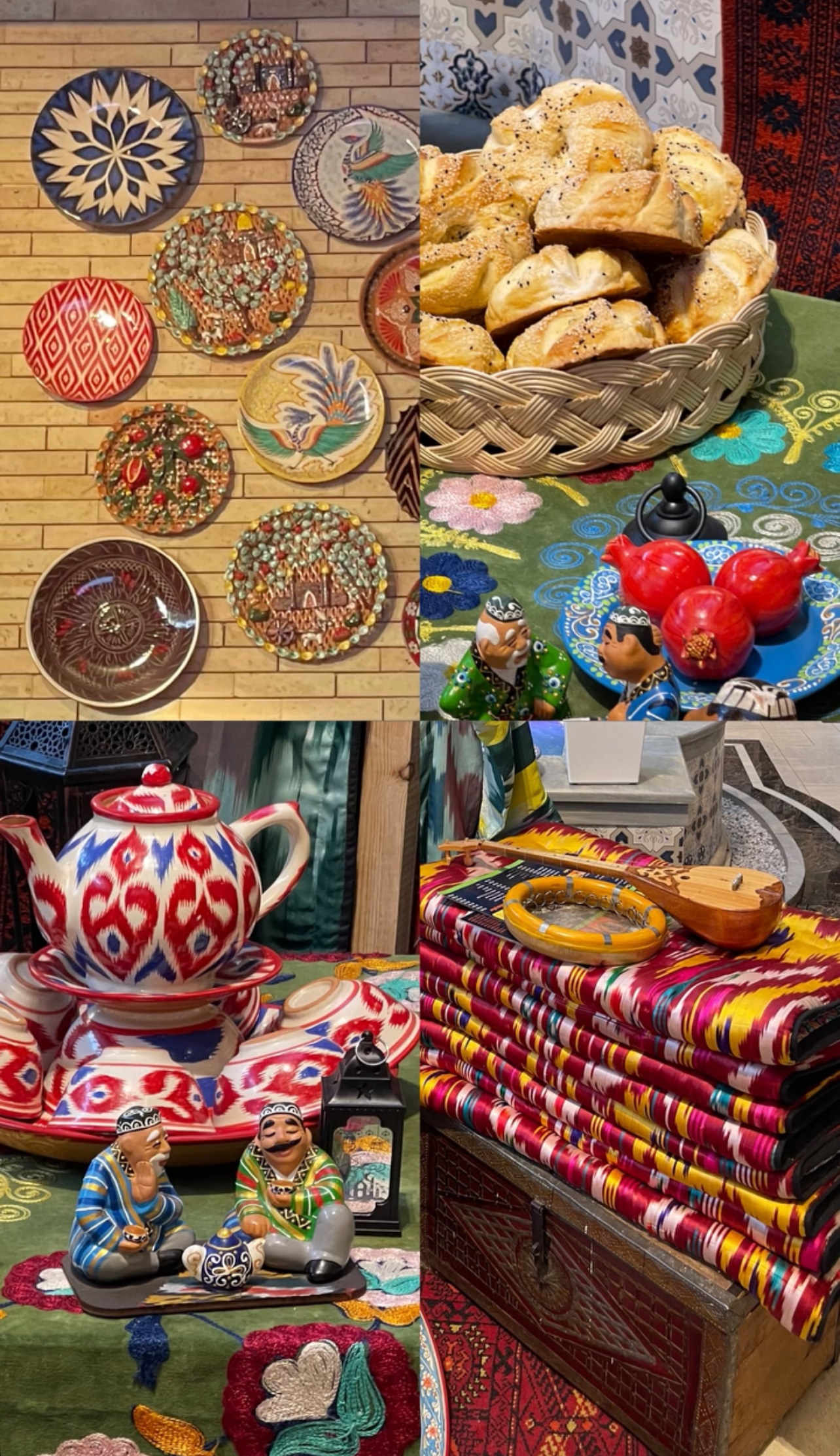
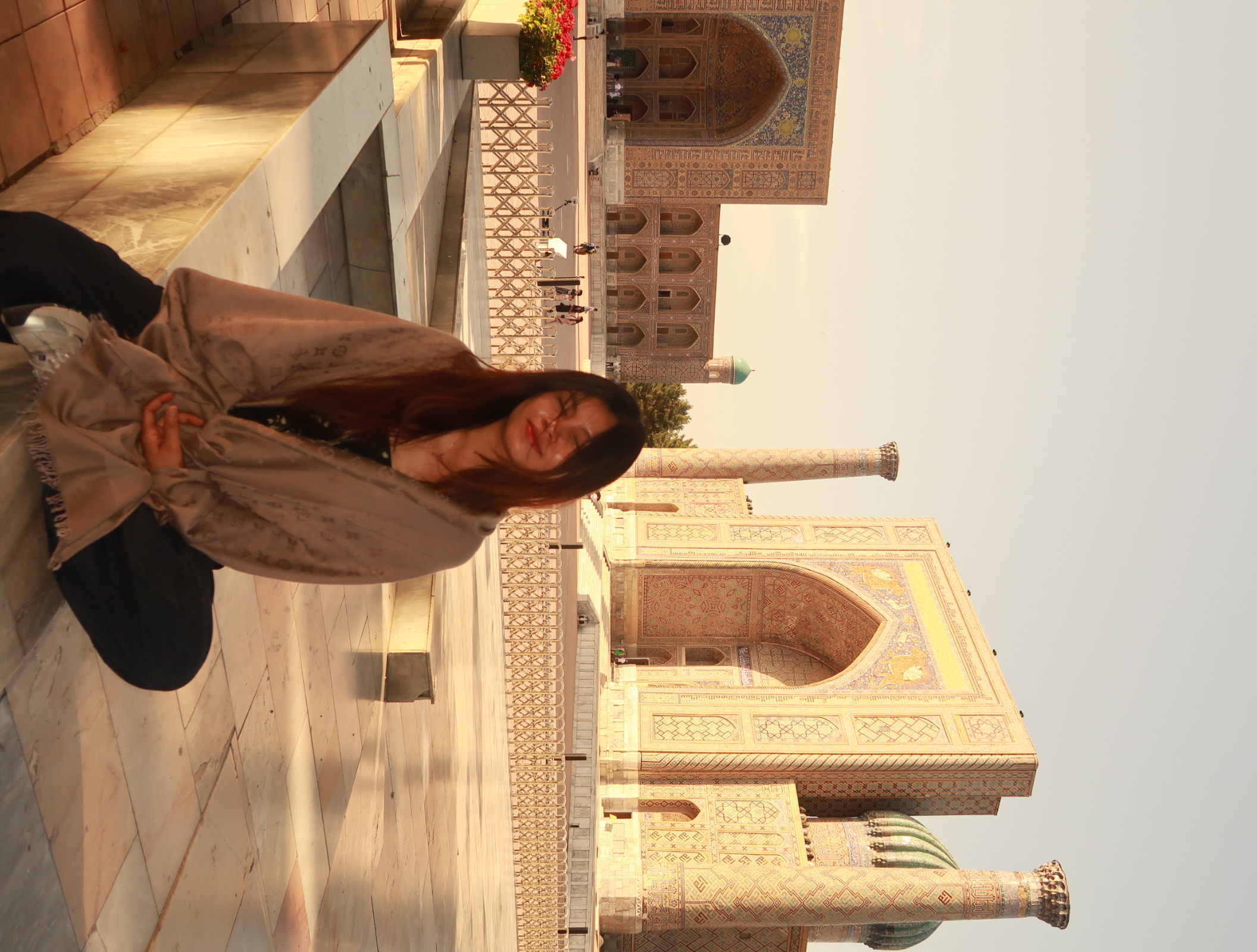
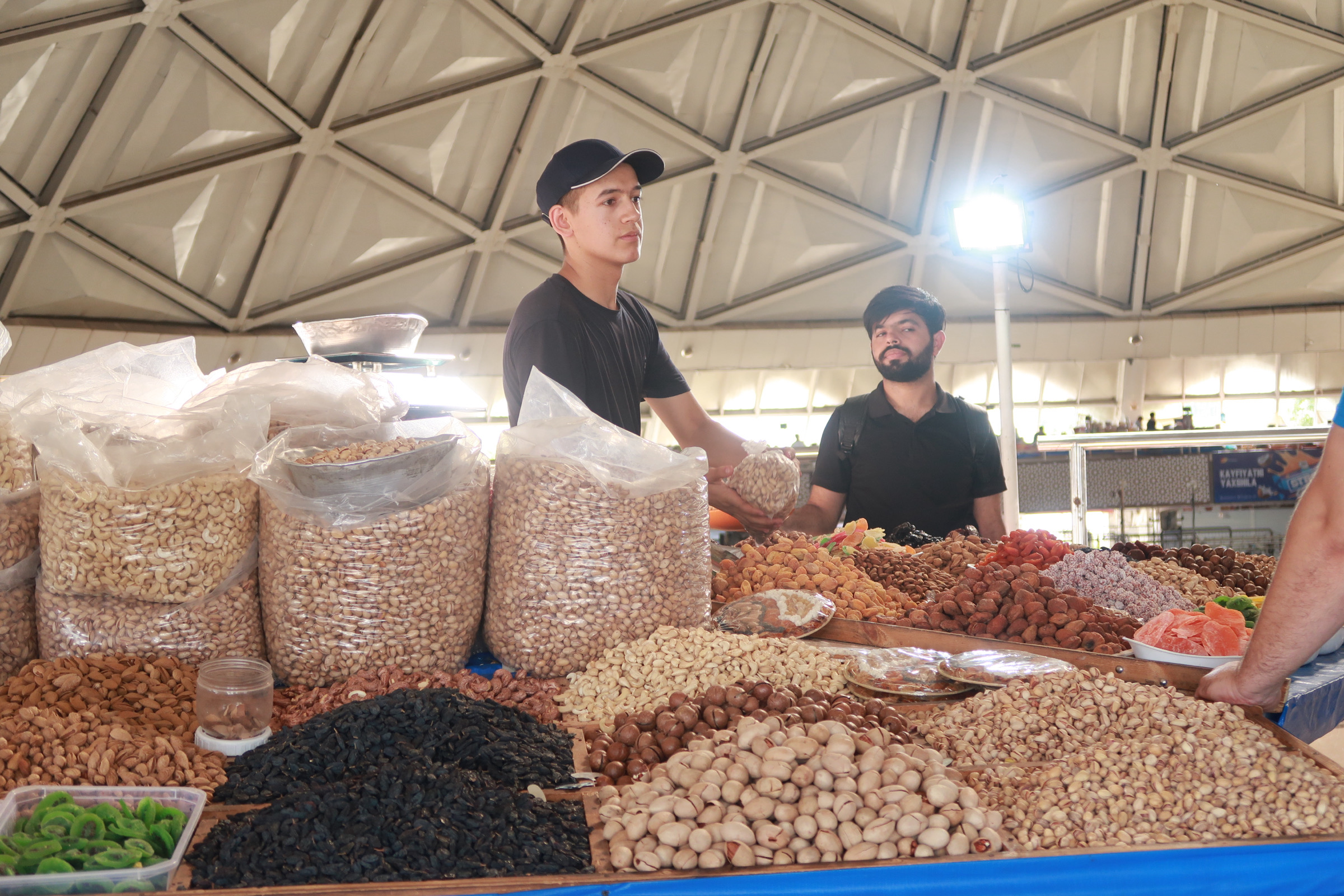
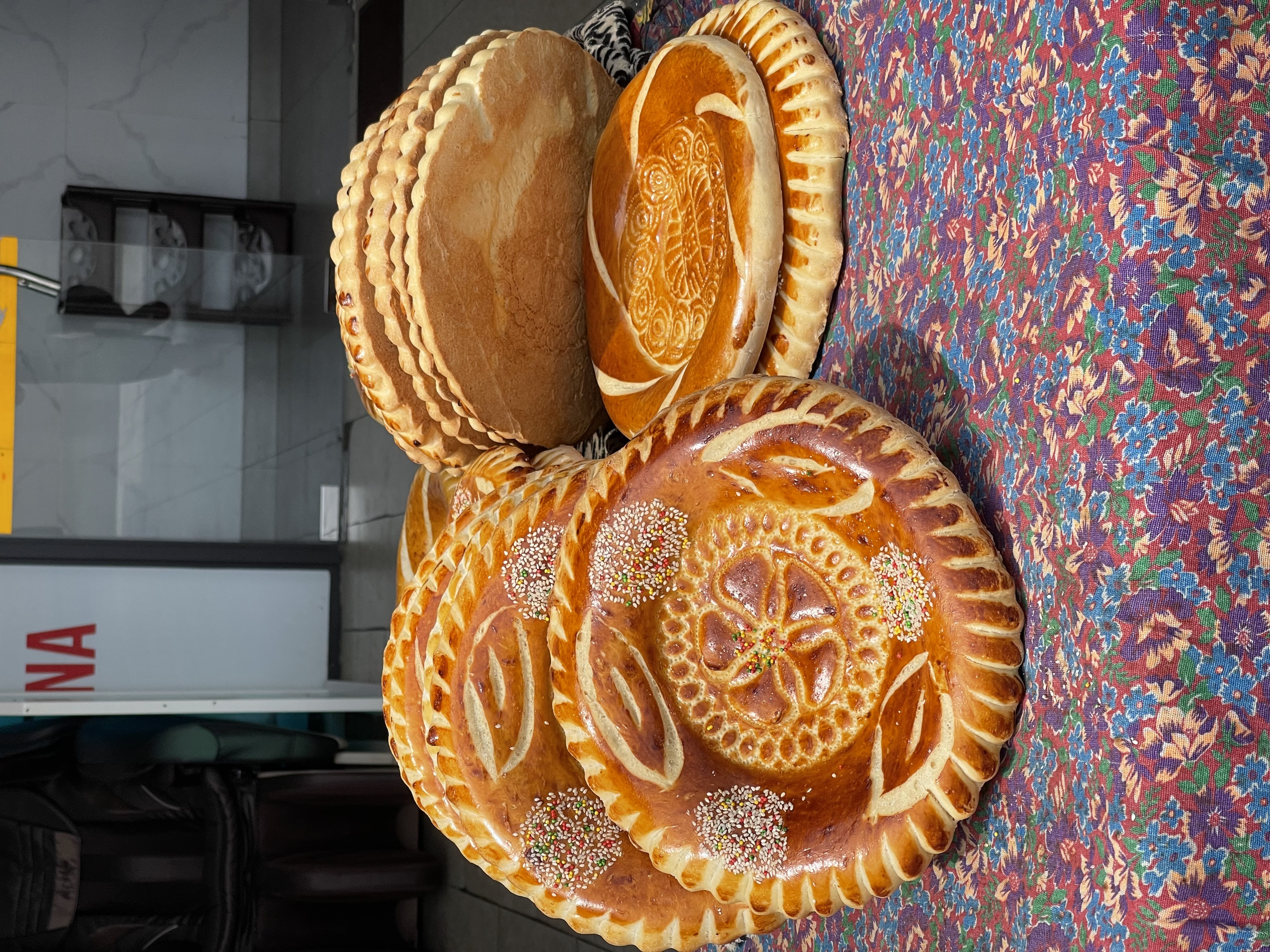
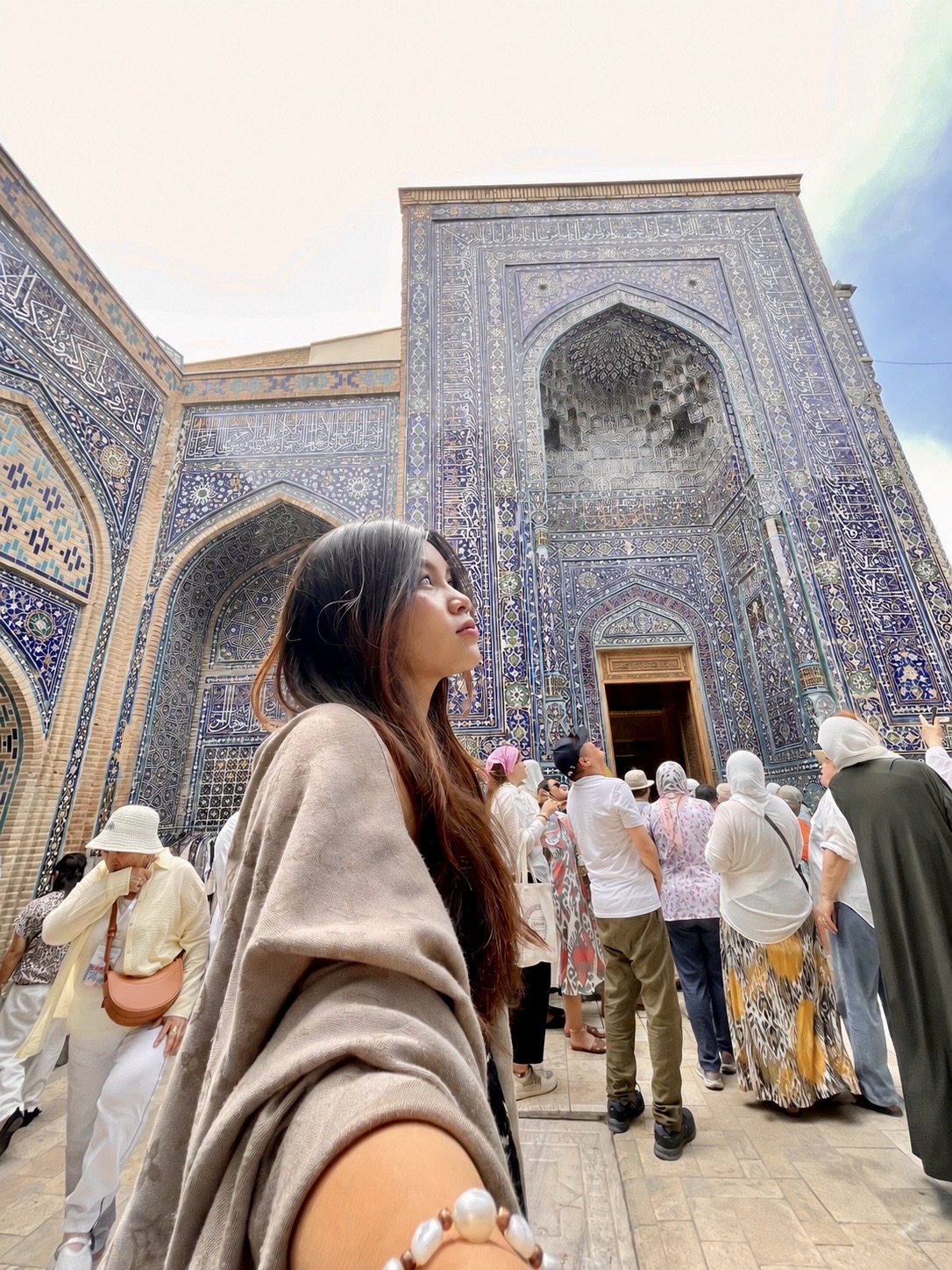
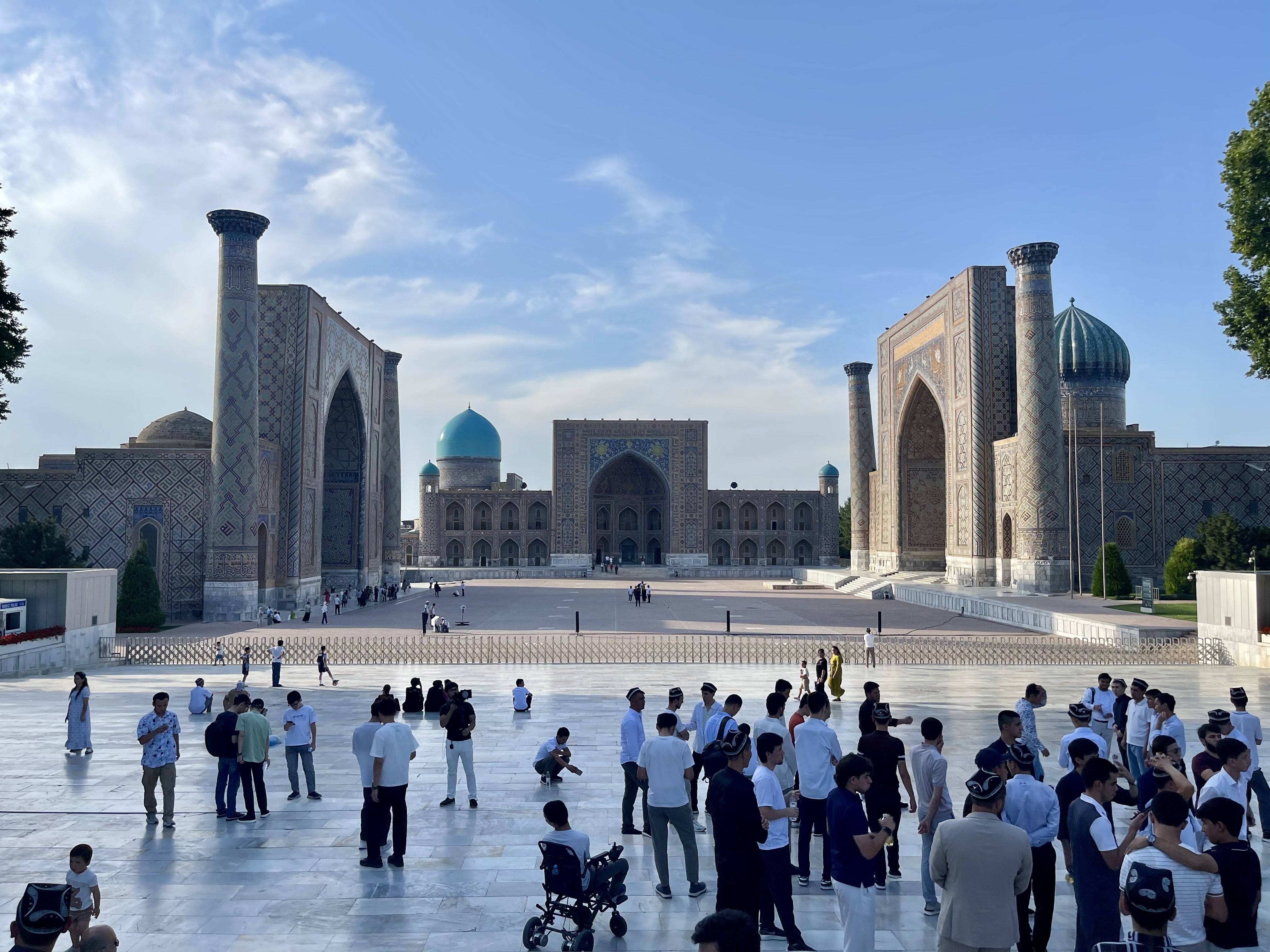
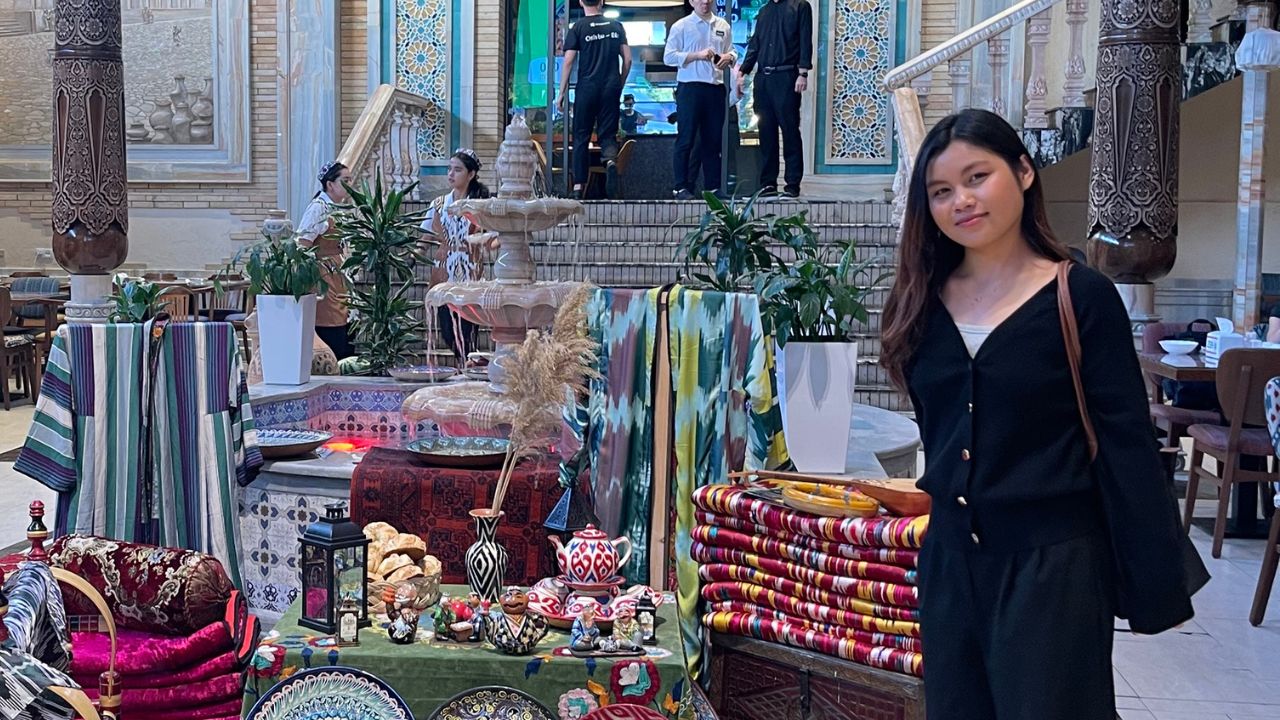
Besides the university, I had chances to discover Uzbekistan’s rich history, beautiful architecture, delicious food, and its warm hospitality. Experiencing everyday life and meeting local people made my mobility not only about the traineeship, but also about the culture and people. One thing I found very meaningful was the pomegranate fruit, mainly because of how hundreds of seeds are packed closely together. In Uzbek culture, it is a natural symbol of a large, united family that represents togetherness and fertility.
This Erasmus+ traineeship reminded me that research extends far beyond the laboratory. It is about exchanging information and ideas, learning from different perspectives and building international collaborations that contribute to more sustainable solutions for the natural environment and people's well-being. I look forward to applying the knowledge and experience I gained in Uzbekistan to my future research on sustainable energy and social life-cycle assessment.
For more details on BRT activities, subscribe to our newsletter or follow us on social media for regular updates and highlights!