Paper Published! Bridging behavior and policy: Determinants of household biogas adoption in West Java, Indonesia
Researchers from the Faculty of Tropical Agrisciences (FTZ) at the Czech University of Life Sciences Prague (CZU), including BRT Director Assoc. Prof. Dr. Hynek Roubík, recently published an article in Fuels.
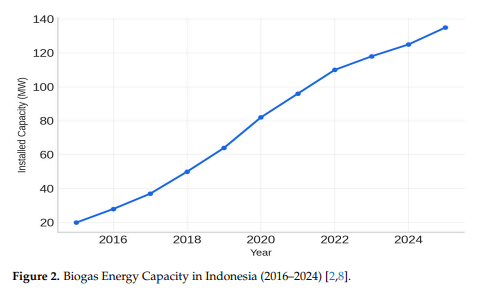
Biogas is increasingly recognized as a strategic component of Indonesia’s clean energy transition. However, despite significant potential, particularly in livestock-dense regions, household-level adoption remains limited. This study focuses on dairy farming households in West Java Province to examine the factors influencing biogas adoption.
Using data from 201 households, including both adopters and non-adopters, the research applies a binary logistic regression model to analyze the determinants of adoption. The study integrates socioeconomic variables such as income, livestock ownership, and electricity access with behavioral and institutional factors including fuel-cost pressure, perceived time savings, and participation in training.
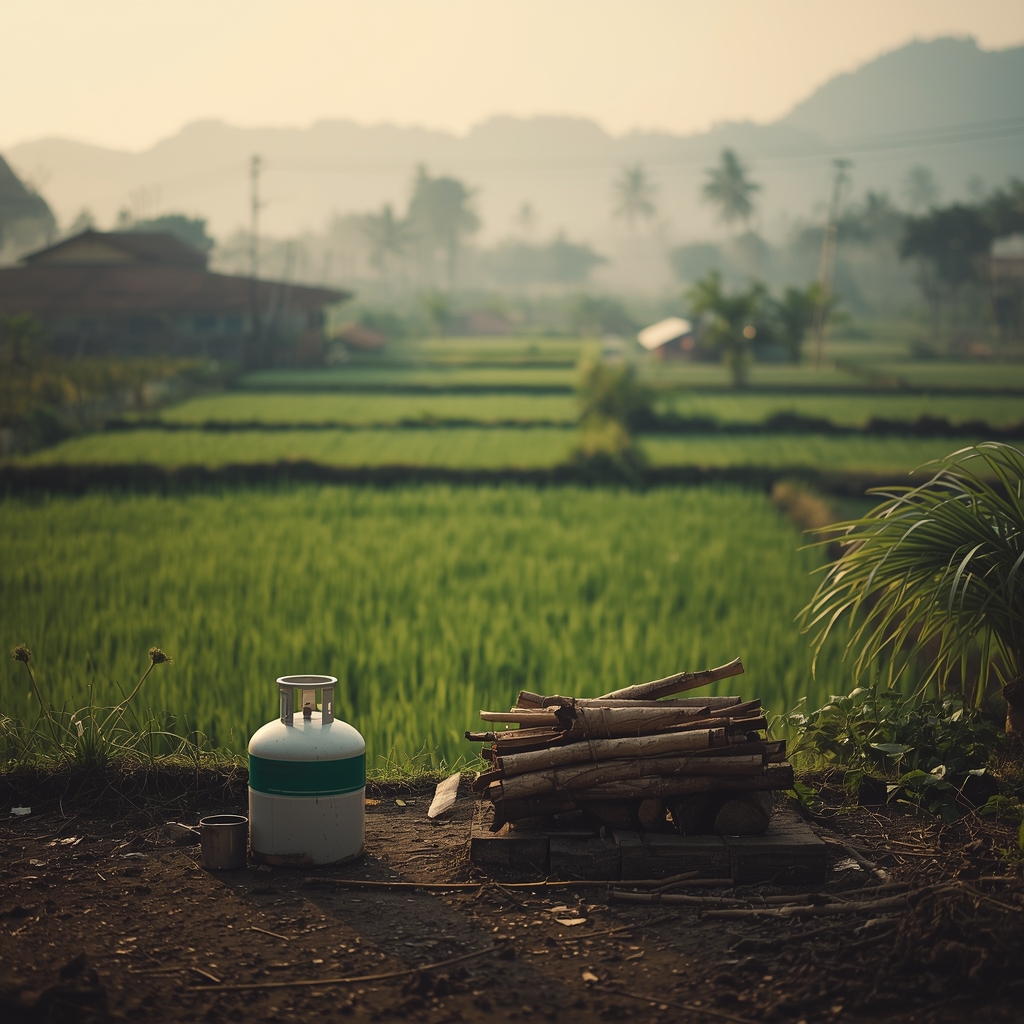
The findings show that fuel-cost pressure, livestock ownership, perceived time savings, and training participation significantly increase the likelihood of adoption. In contrast, higher levels of education are negatively associated with adoption, reflecting the influence of subsidized Liquefied Petroleum Gas (LPG) and household energy preferences.
The study highlights that the availability of resources alone does not determine adoption. Instead, institutional support, technical capacity, and household perceptions play a critical role in shaping decision-making. Overall, the research provides an integrated perspective on the socioeconomic, behavioral, and institutional drivers of household biogas adoption, offering insights for improving the design and implementation of biogas programs in rural Indonesia.
Citation: Situmeang R, Mazancová J, & Roubík H (2026). Bridging behavior and policy: Determinants of household biogas adoption in West Java, Indonesia. Fuels. https://doi.org/10.3390/fuels7010013
For more details on BRT activities, subscribe to our newsletter or follow us on social media for regular updates and highlights!