BRT Paper Published! Digestate from small-scale biogas plants in central Vietnam produced under mesophilic conditions: friend or foe for local farmers?
Researchers from the BioResources and Technology Division (BRT), including BRT Director Assoc. Prof. Dr. Hynek Roubík, Dr. Viktoriia Chubur, Dr. Yelizaveta Chernysh, Marek Jelínek, Van Hau Duong, and Prof. Dr. Jan Banout, recently published an article in Biofuels, Bioproducts and Biorefining.
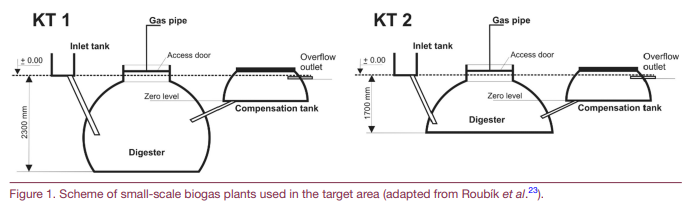
Biogas technology is widely used in rural Vietnam as a solution for organic waste management and energy production. Anaerobic digestion allows for the treatment of animal manure and other organic waste, producing biogas as a main output and digestate as a by-product that can be applied as fertilizer. In this study, digestate samples were collected from 85 farms located in Thua Thien Hue province and analyzed for microbial contamination and elemental composition. The research examined the presence of pathogens after anaerobic digestion under mesophilic conditions, as well as the potential role of antibiotic resistance in microbial populations.
Microbiological analysis focused on indicator organisms such as Escherichia coli and Enterococcus spp., while broader assessments considered the persistence of pathogens in digestate. The study highlights that anaerobic digestion under mesophilic conditions is associated with limited pathogen reduction compared to thermophilic processes, and that pathogens can survive and persist in the digestate depending on factors such as temperature, pH, hydraulic retention time, and substrate quality. In addition to microbiological aspects, the study included wastewater and elemental analyses, examining indicators such as nitrogen compounds, phosphorus, biochemical oxygen demand, suspended solids, and total coliforms. Heavy metals including As, Cd, Cr, Cu, Pb, and others were also analyzed using standard laboratory techniques.
The research also explored system-level considerations, including the potential integration of solar energy into anaerobic digestion systems and the upgrading of biogas to biomethane. Based on experimental data and previous research, a visualization model was developed to illustrate the decontamination of organic waste during mesophilic digestion. A block diagram was further constructed to assess digestate utilization and its broader environmental implications.
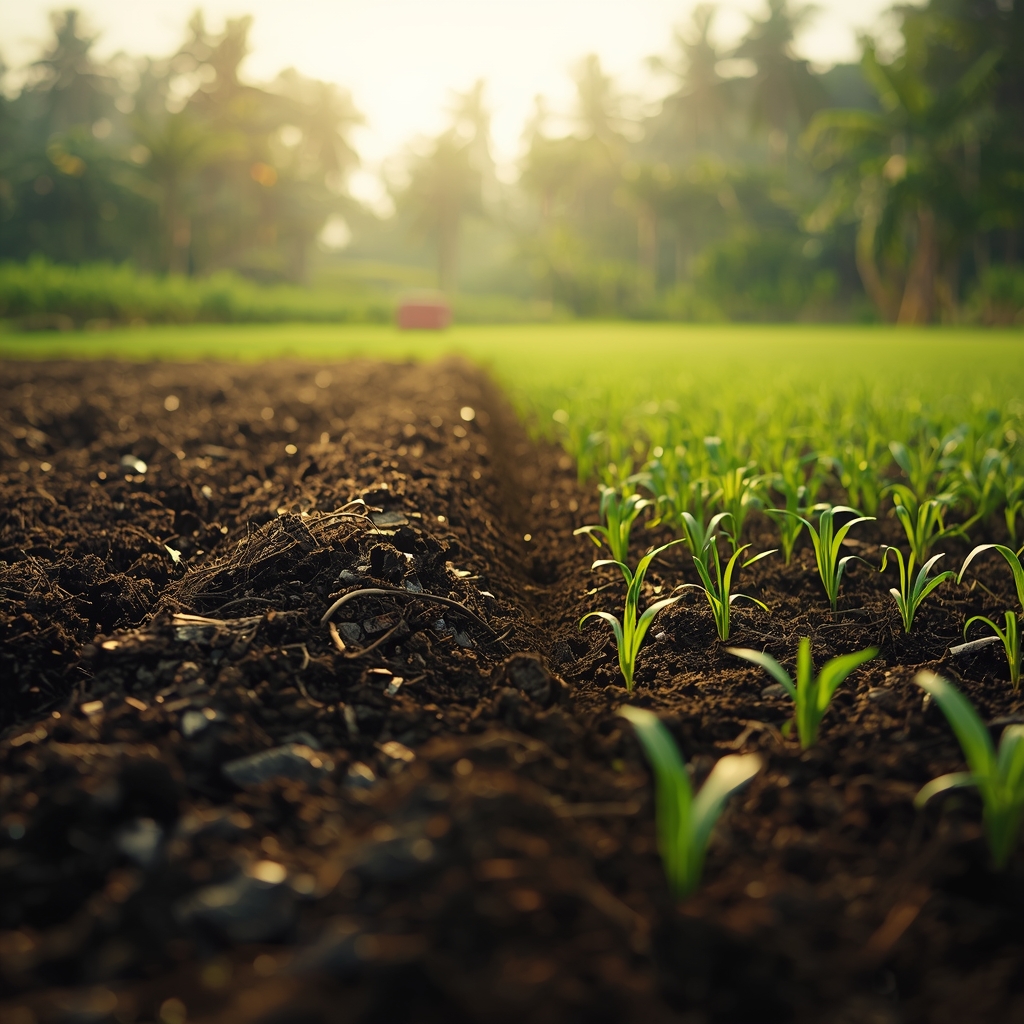
Overall, the study evaluates digestate from multiple perspectives to determine whether it can be safely applied in agriculture by local farmers operating small-scale biogas systems in Vietnam.
Citation: Roubík H, Chubur V, Chernysh Y, Jelínek M, Duong VH, & Banout J (2025). Digestate from small-scale biogas plants in central Vietnam produced under mesophilic conditions: friend or foe for local farmers? Biofuels, Bioproducts and Biorefining. https://doi.org/10.1002/bbb.2745
For more details on BRT activities, subscribe to our newsletter or follow us on social media for regular updates and highlights!