Visiting Internship Insights – Katie Jacobs
To broaden and develop our teams’ collaborative skills while offering visiting students the chance to expand their scientific networks and gain cultural experiences, BRT encourages students to join our team for internship opportunities. These internships aim to facilitate idea exchange, foster professional growth, and create opportunities for collaboration.
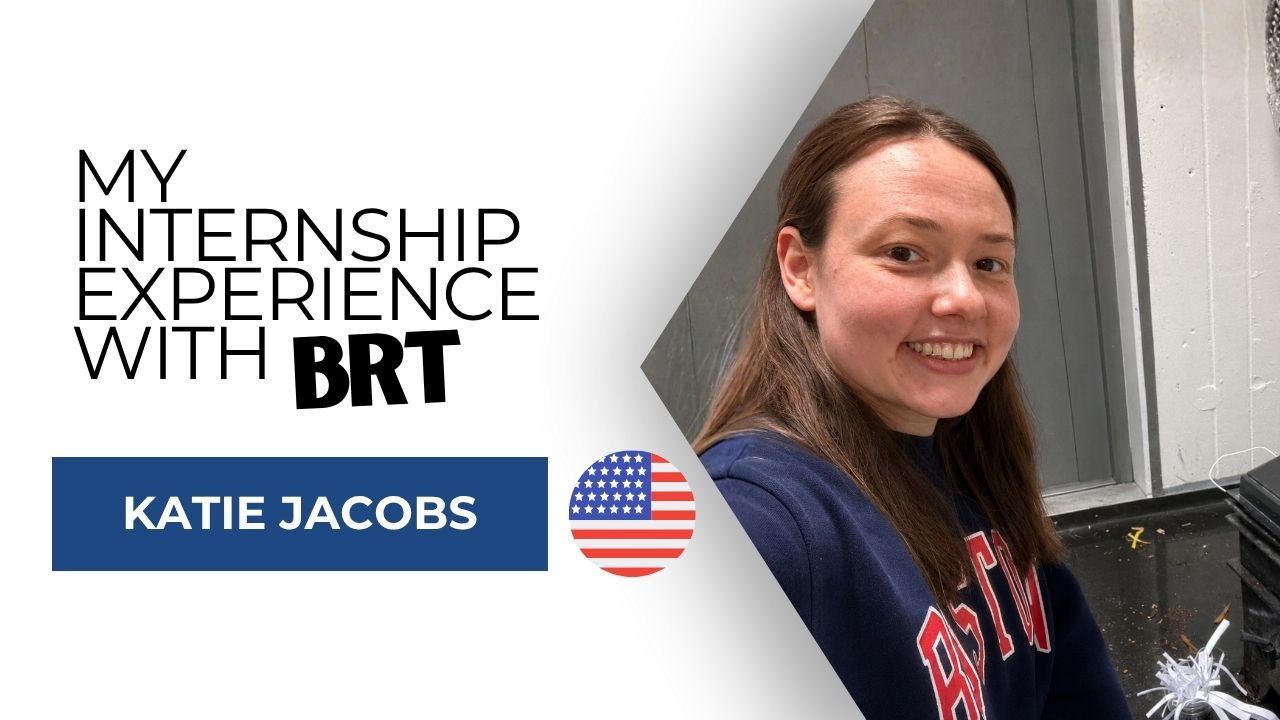
Recently, we hosted Katie Jacobs, a student from the United States. Read her introductory blog HERE.
Enjoy reading about her experience with BRT!
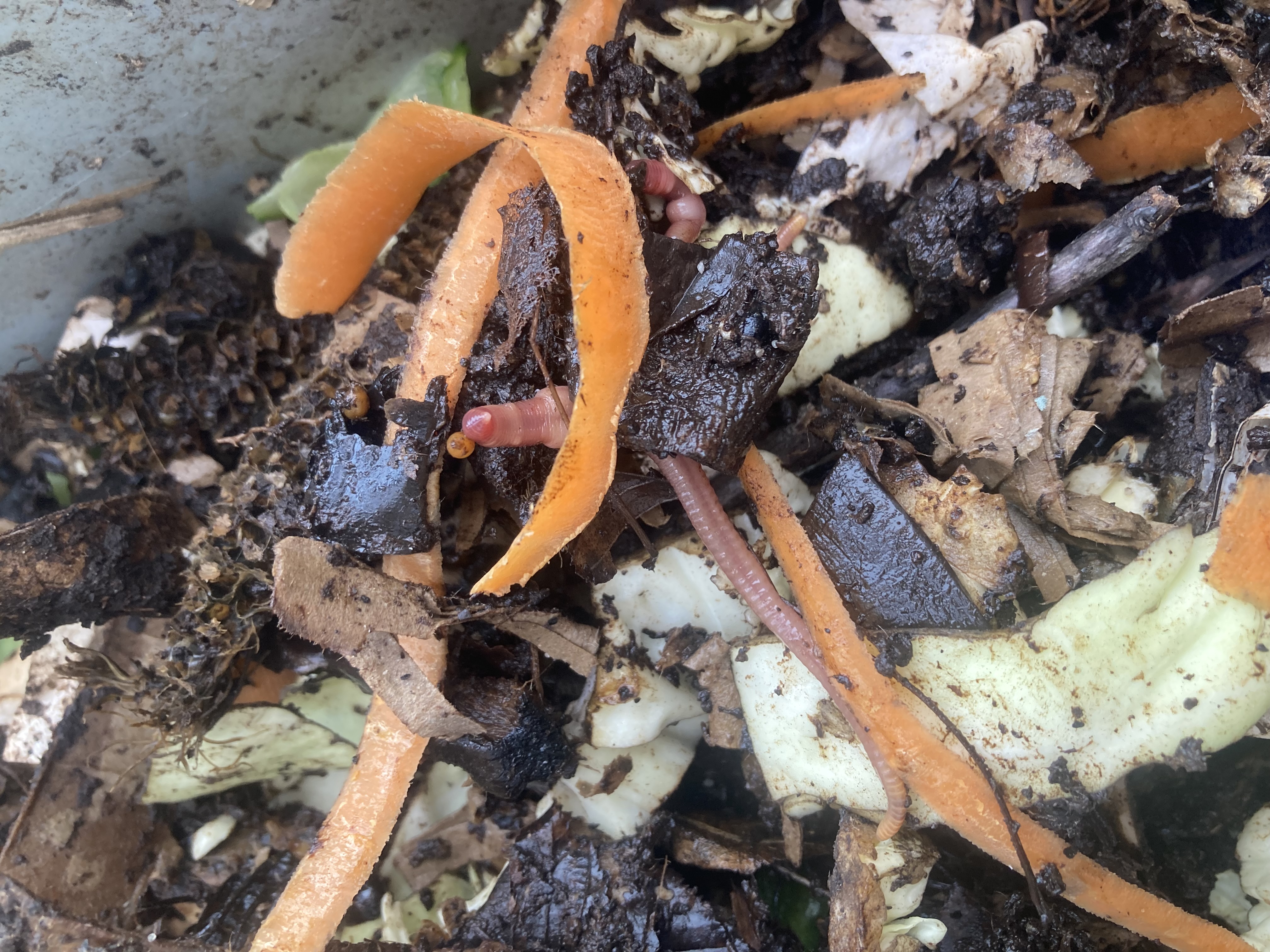
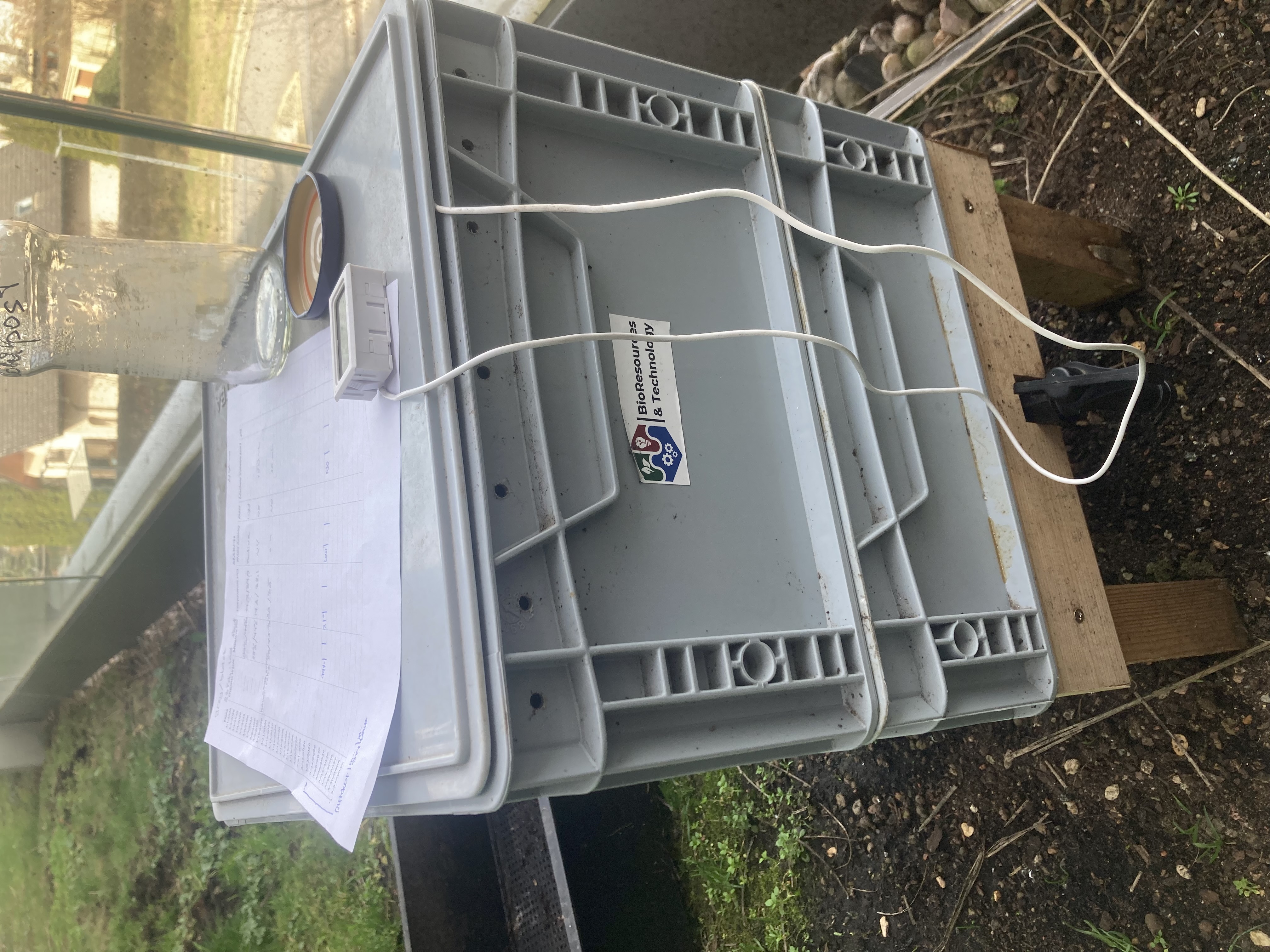
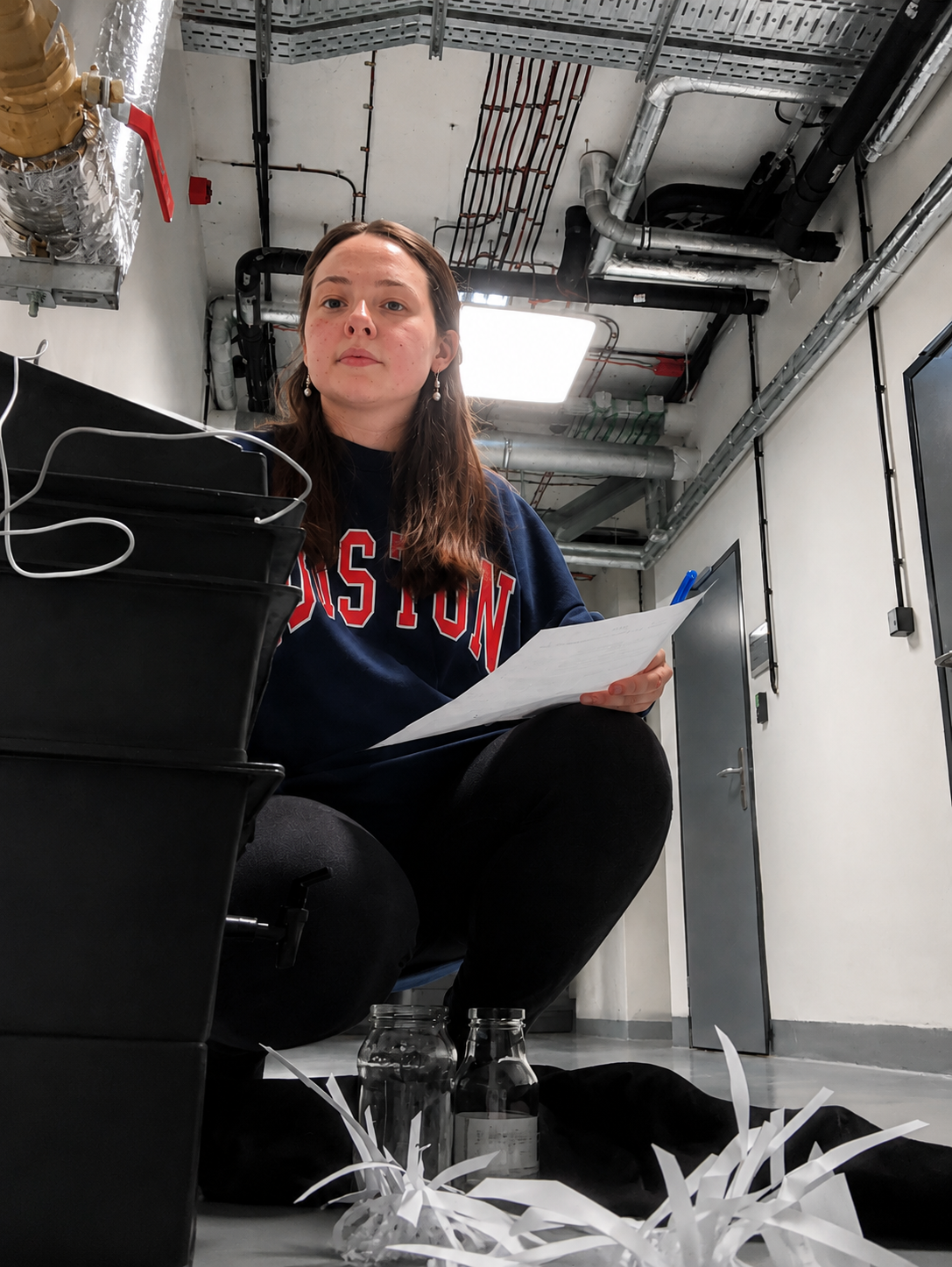
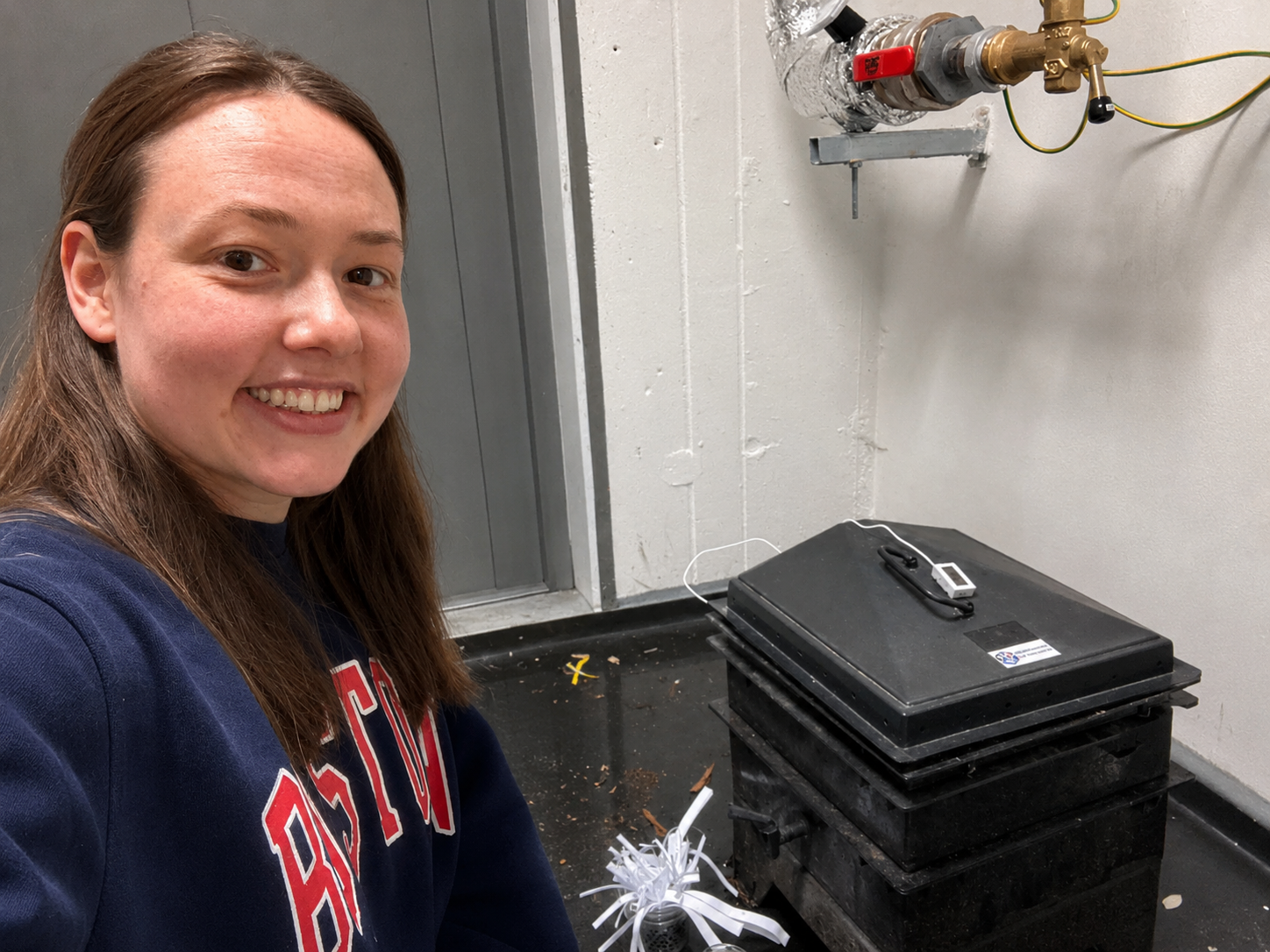
I interned with BRT from November 2025 to April 2026. As a new student at the Faculty of Tropical AgriSciences (FTZ), the internship was a great opportunity to meet people in the department and learn more about the current BRT projects and experiments. During my internship, I contributed to several of these experiments, including batch testing, vermicompost monitoring, and germination tests using phosphogypsum. One of the most interesting parts of the internship was working on vermicompost monitoring and learning how different organic amendments can influence soil health and plant growth. I also enjoyed the challenge of applying laboratory techniques and monitoring methods to real research questions.
Being back in a lab environment was especially rewarding. Head of the BRT Lab Dr. Viktoriia Chubur created a collaborative and welcoming atmosphere where I was able to ask questions, develop new technical skills, and learn from people who are clearly passionate about their work. Through the internship, I sharpened my bench skills and gained a much deeper understanding of anaerobic digestion, monitoring techniques, and the broader role that organic waste valorization can play in sustainable agriculture.
The experience also strengthened my academic and career interests in soil fertility and organic nutrient management. This summer, I will head to Malawi to complete the fieldwork for my master’s thesis. For my project, I will continue to focus on organic fertilizers and soil fertility, this time studying nitrogen-fixing trees instead of vermicompost or biogas digestate. Moving forward, I hope to continue pursuing projects that build soil fertility through organic inputs and help valorize agricultural residues.
Thanks again to everyone who made this internship possible. For new students on campus who want to gain laboratory skills or learn more about biogas and soil research, I definitely recommend applying.
As a new student, the internship was a great opportunity to meet people in the department and learn more about the BRT’s current project. - Katie Jacobs
For more details on BRT activities, subscribe to our newsletter or follow us on social media for regular updates and highlights.