Exploring Radiochemistry Through an Erasmus+ Traineeship in Warsaw
To broaden and develop the professional skills of our team members and widen their scientific network and cultural experiences, the BRT encourages its students to embark on various internships, traineeships, academic mobilities, and development opportunities. These opportunities are connected to their scientific journey and enable them to have hands-on, practical and in-field experiences, which are critical to their future careers.
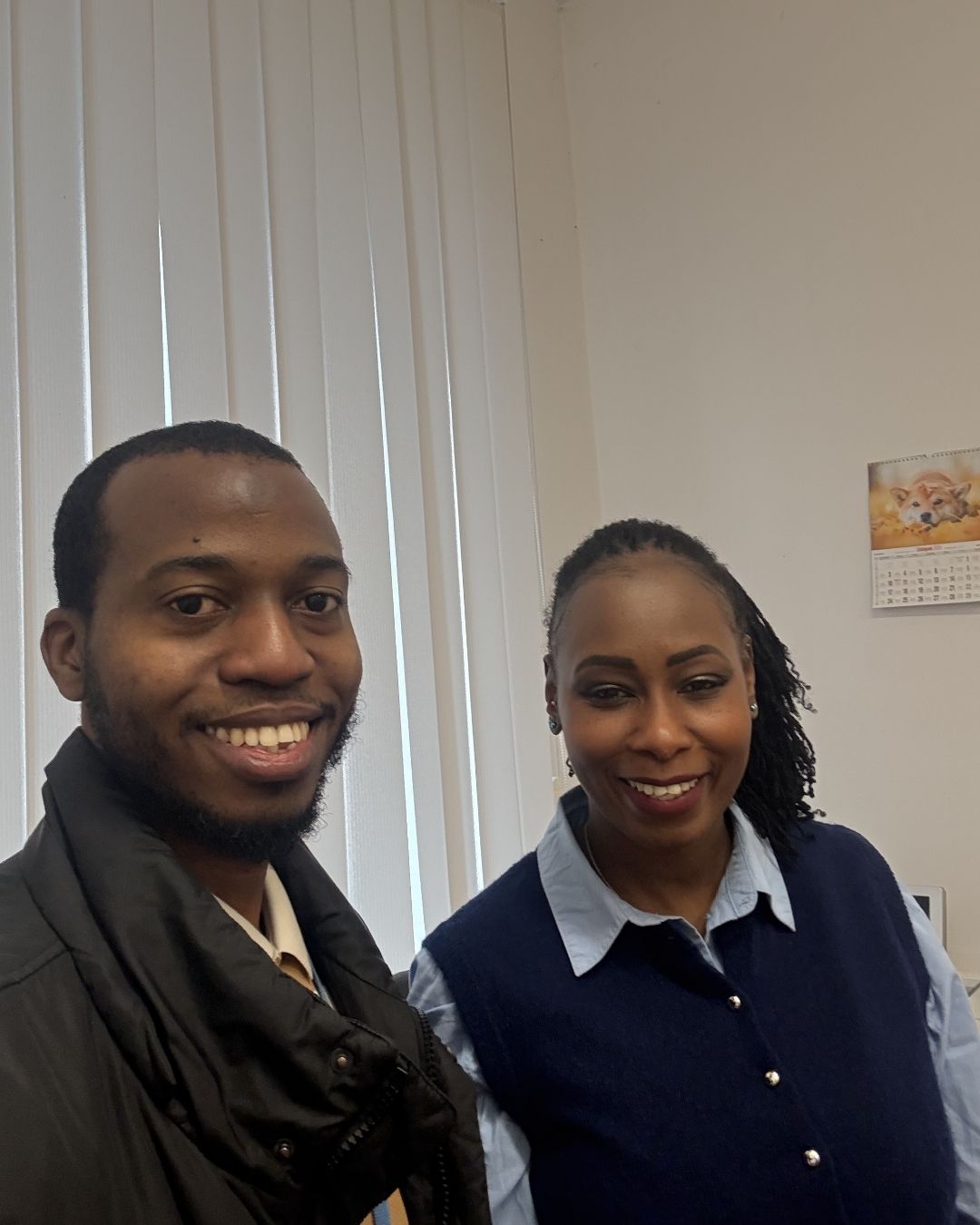
Our PhD student, AbdulAzeez Shobajo, shares insights from his experience at the Institute of Nuclear Chemistry and Technology, Warsaw.
Enjoy reading as he takes you on his journey!
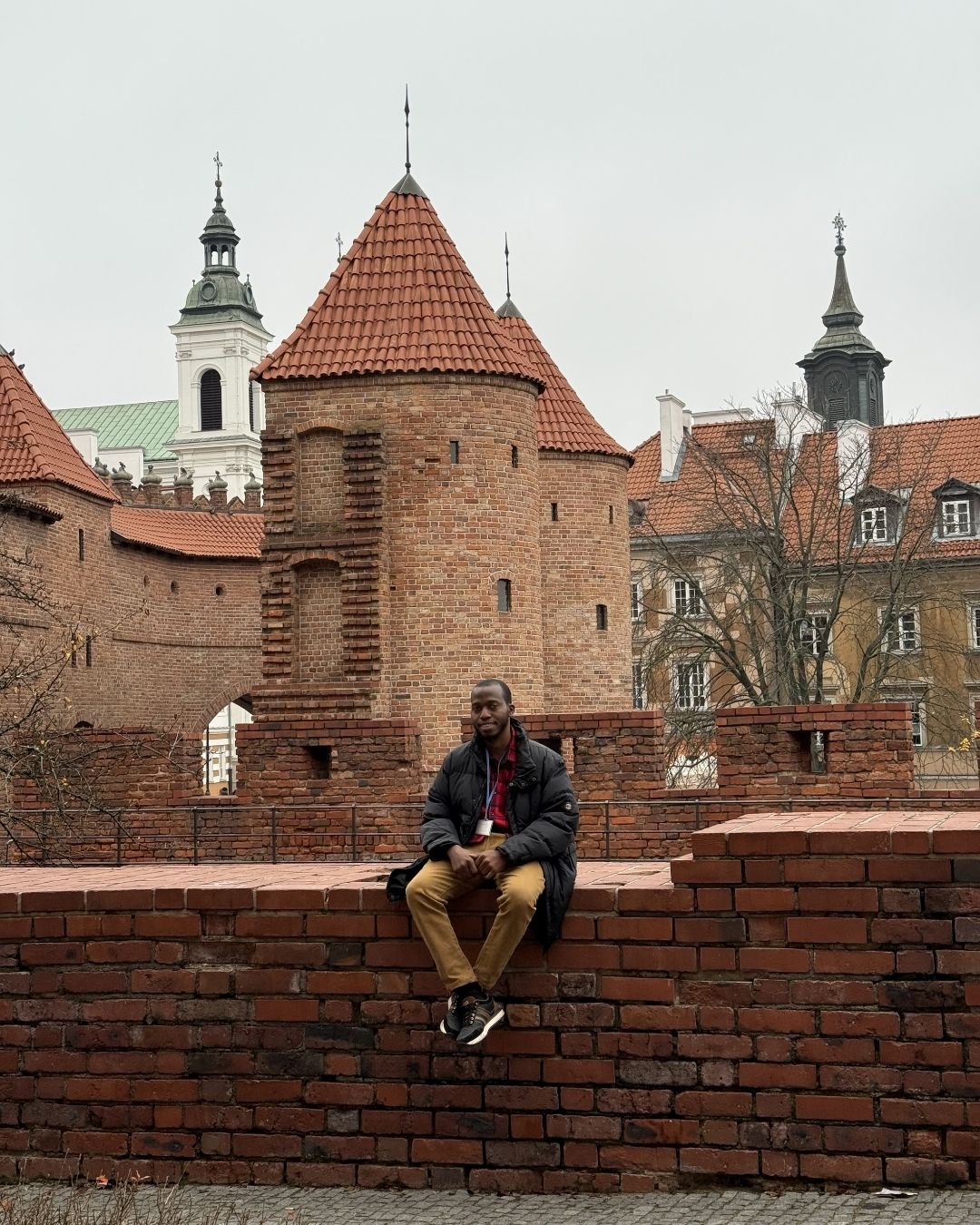
Four weeks of discovery at the Institute of Nuclear Chemistry and Technology in Warsaw, and I returned to Prague feeling like Azeez Curie. I joined the institute through the Erasmus+ traineeship program for a one month internship. This experience gave me an opportunity to witness how radiochemistry, radiation chemistry, and analytical science operate beyond theory. Come with me while I take you on this journey.
Characterisation of Solid Biomaterials. Total Solids and Volatile Solids
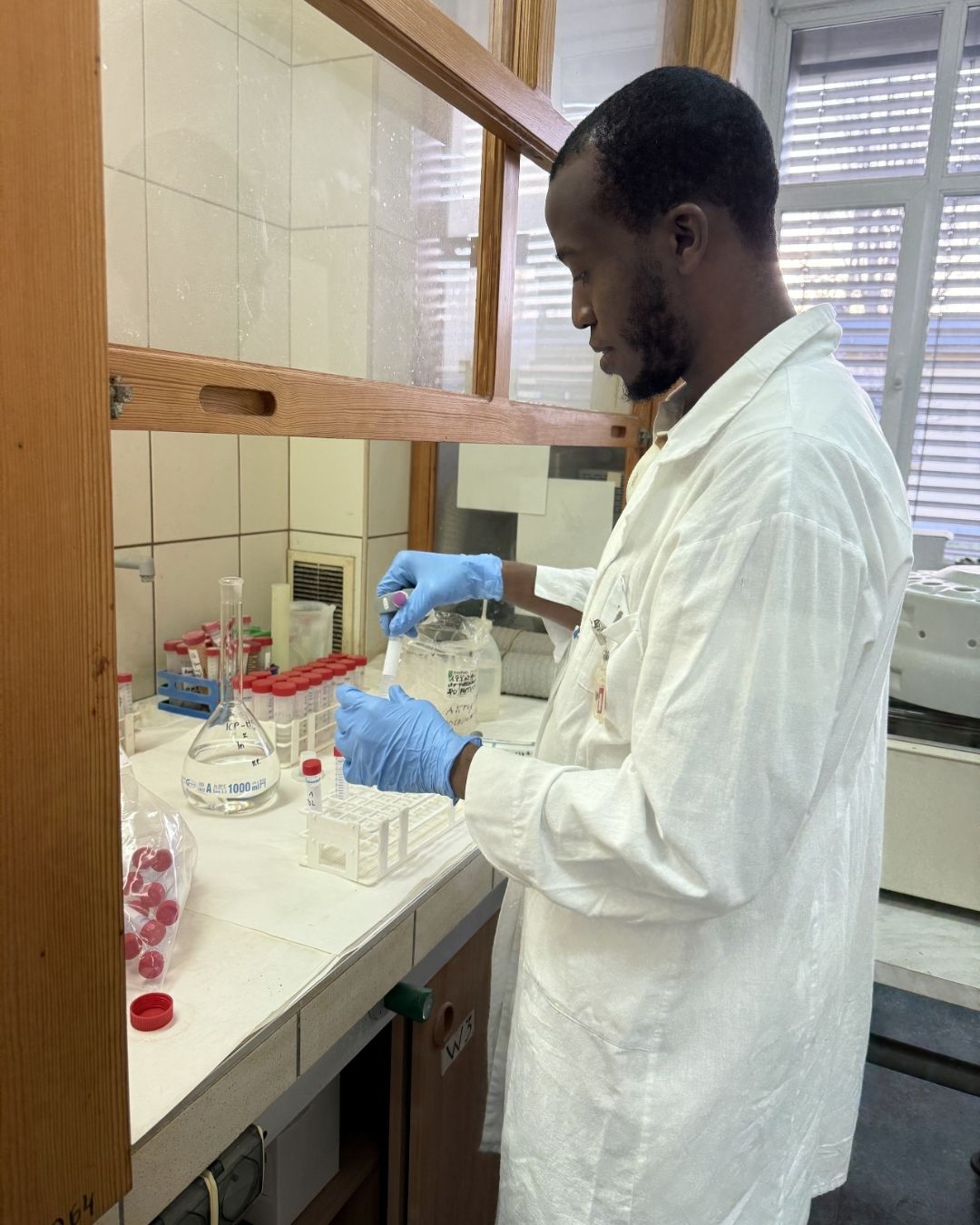
The programme began with basic measurements of characterising solid biomaterials through total solids and volatile solids analysis (TSVS). In the analytical lab, We weighed samples to constant mass and dried them at 105 deg to measure total solids, then burn at 550 deg to estimate volatile solids. These steps look simple on paper but demand awareness of matrix behaviour, furnace stability, contamination risks, and appropriate temperature control. The procedure help determine how we interpret biodegradability, mineral content, and organic fraction.
Rare Earth Elements and Critical Materials Chemistry
After these fundamentals, I moved into critical materials chemistry with a focus on rare earth elements (REE). The method used was leaching, a strategic argument you construct with the periodic table.
We selected leachants based on chemical compatibility and solubility patterns. Rare earth elements resemble each other so closely that selective recovery might sometimes be challenging.
Visit to the Radiation Sterilization Station
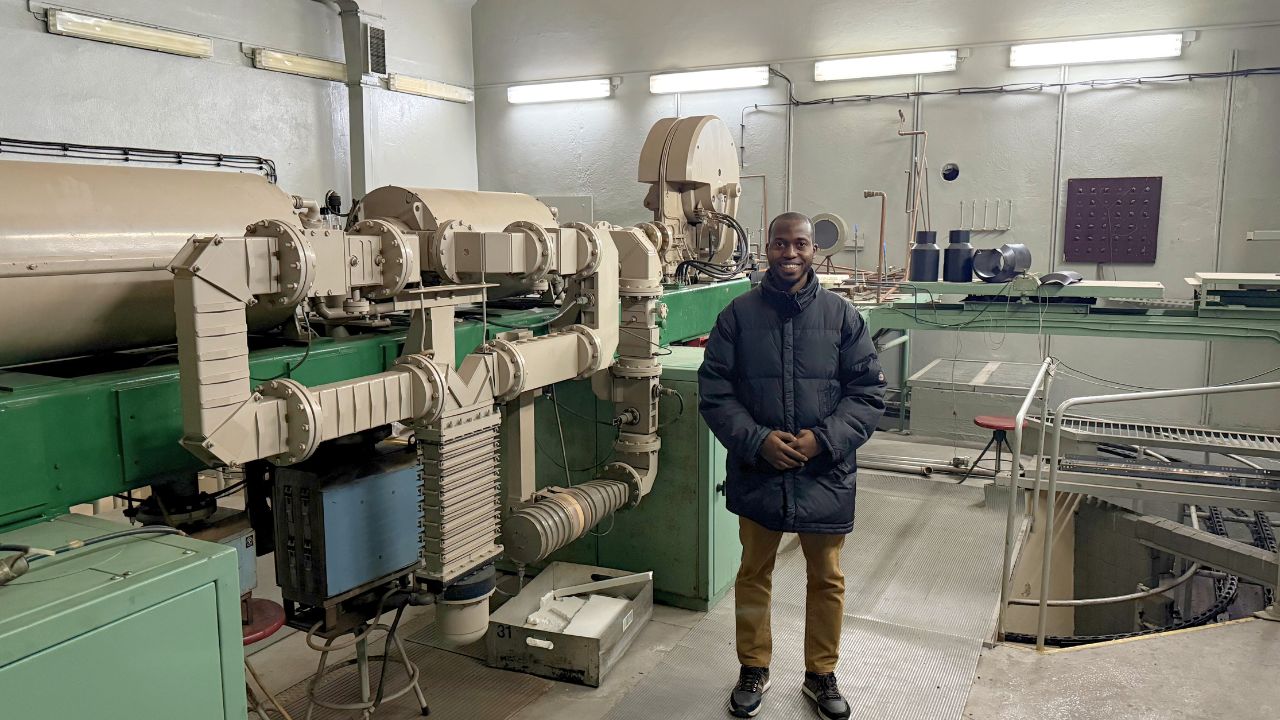
And then this one; a visit to the institute’s Radiation Sterilization Station for Medical Devices and Allografts. The facility operates as a commercial electron-beam irradiation centre, commissioned in 1993. It runs at 10 MeV electron energy with an average beam power of 10 kW, and it validates processes under ISO 11137 requirements. We observed dose mapping procedures, dosimeter placement strategies, conveyor system logic, and requirements of minimum and maximum absorbed doses. Here, sterility is indeed engineered and verified, rather than merely tested at the end product stage. There was quality assurance into every stage. I became aware of how radiation chemistry supports real-world healthcare systems under strict regulatory frameworks.
ICP-OES and Analytical procedures
It was finally time to carry out ICPOES analysis of my sample; Phosphogypsum. This time, I was involved in every stage of the analysis. Spectromety demands discipline. Contamination, improper calibration, or incomplete digestion can compromise reliability of results. It requires repeated measurements and connecting sample preparation chemistry with optical emission physics. The process involves acid cleaning protocols to minimise contamination, selecting digestion methods that matched sample composition.
Alpha and Gamma Spectrometry
Dosimeter On! From the ICP lab, I moved to the Alpha-Gamma Laboratory. I participated in both alpha and gamma measurement procedure. Alpha spectrometry depends on source quality. Researchers prepare thin, uniform sources, often through electrodeposition when analysing actinides. Any imperfection broadens peaks and reduces resolution. Gamma spectrometry operates from a different perspective. High-resolution detectors transform a sample into a spectral fingerprint. Each peak corresponds to a specific radionuclide, and energy calibration is central to results interpretation. Spectra are analysed and connected to decay chains and characteristic energies. This experince with radioactive materials also made me appreciate the importance of laboratory safety culture. Time, distance, and shielding are important for every consideration. There is a principle called ALARA which is “As low as reasonably achievable”. Dosimeter Off!
Visiting the Maria Skłodowska-Curie Museum
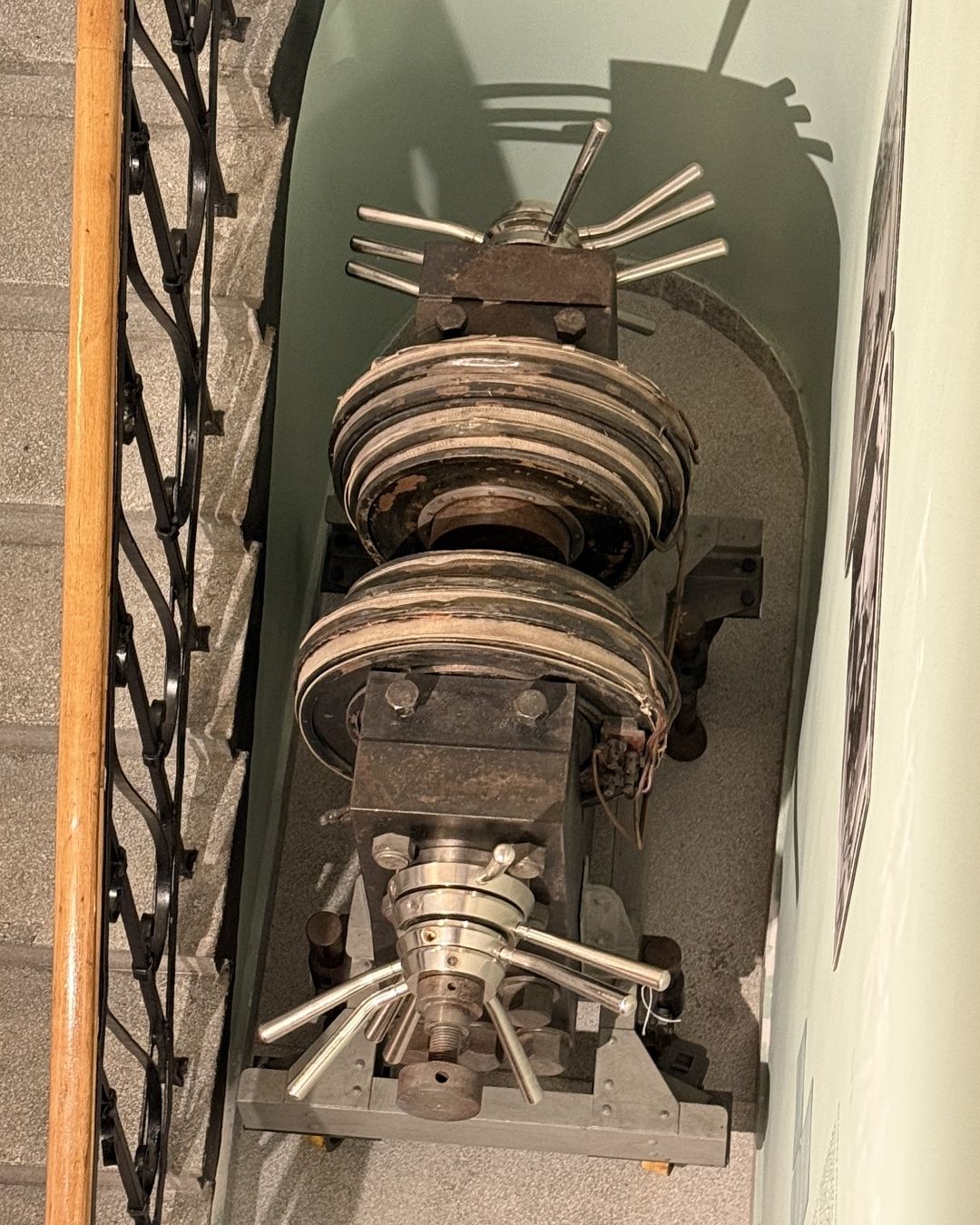
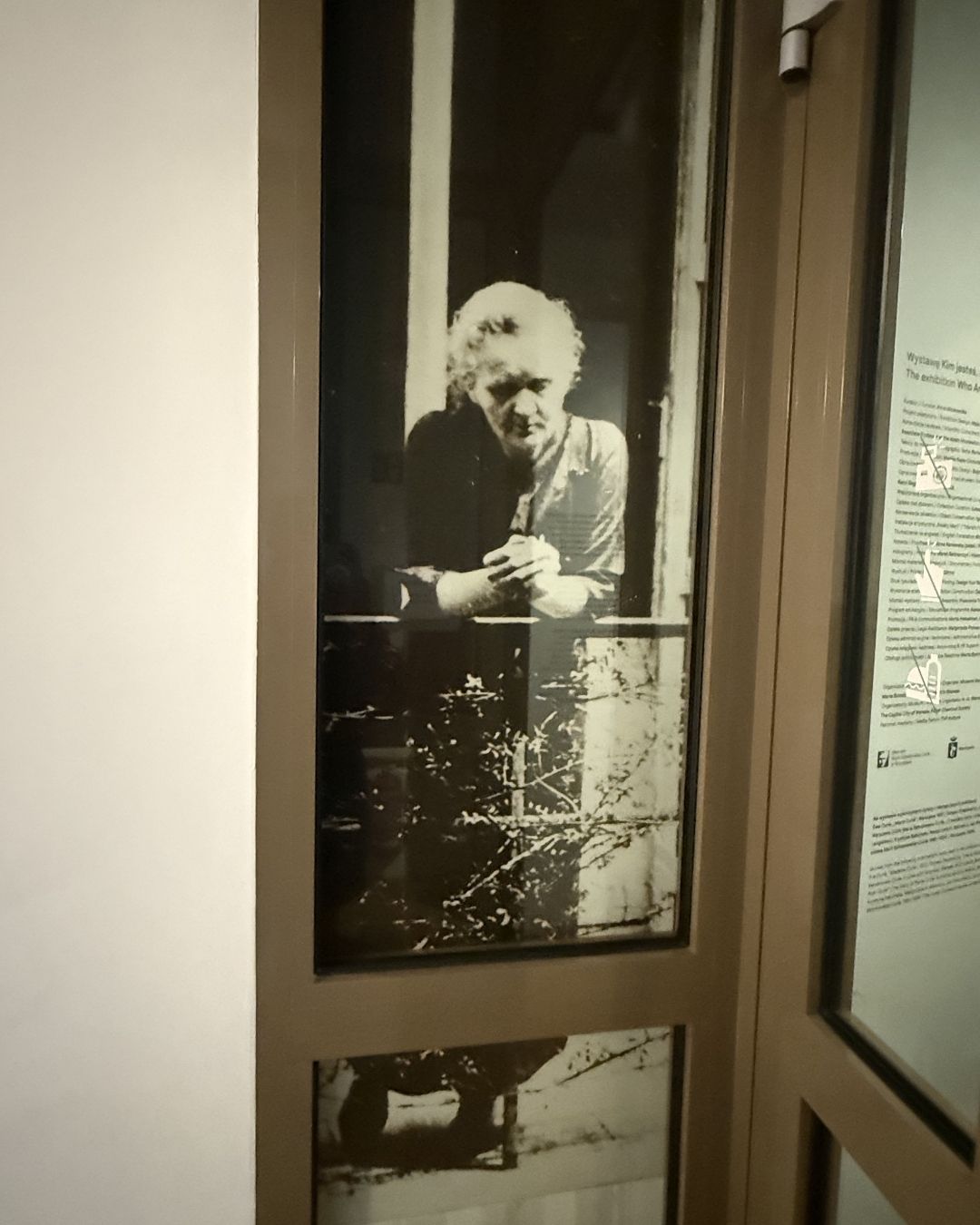
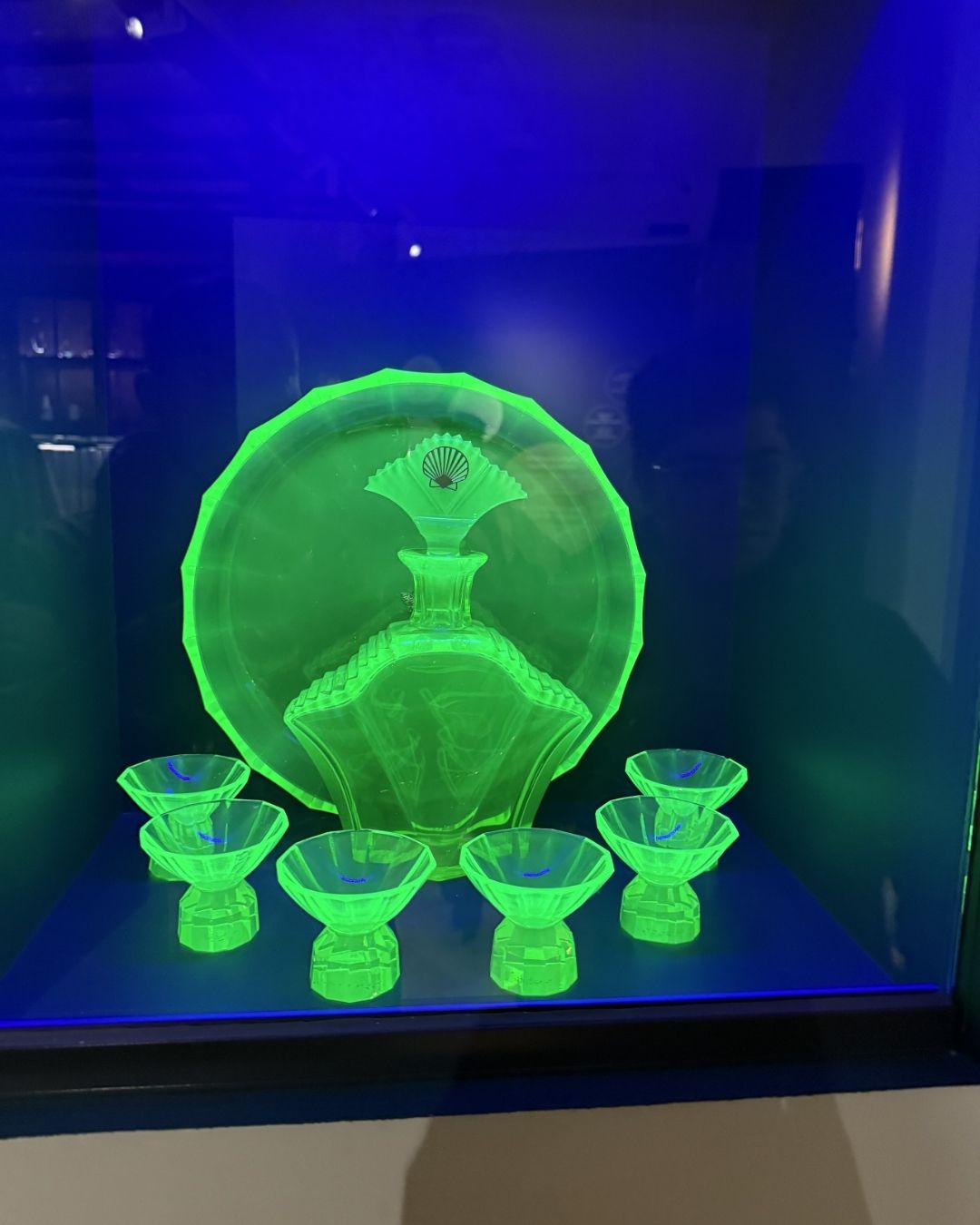
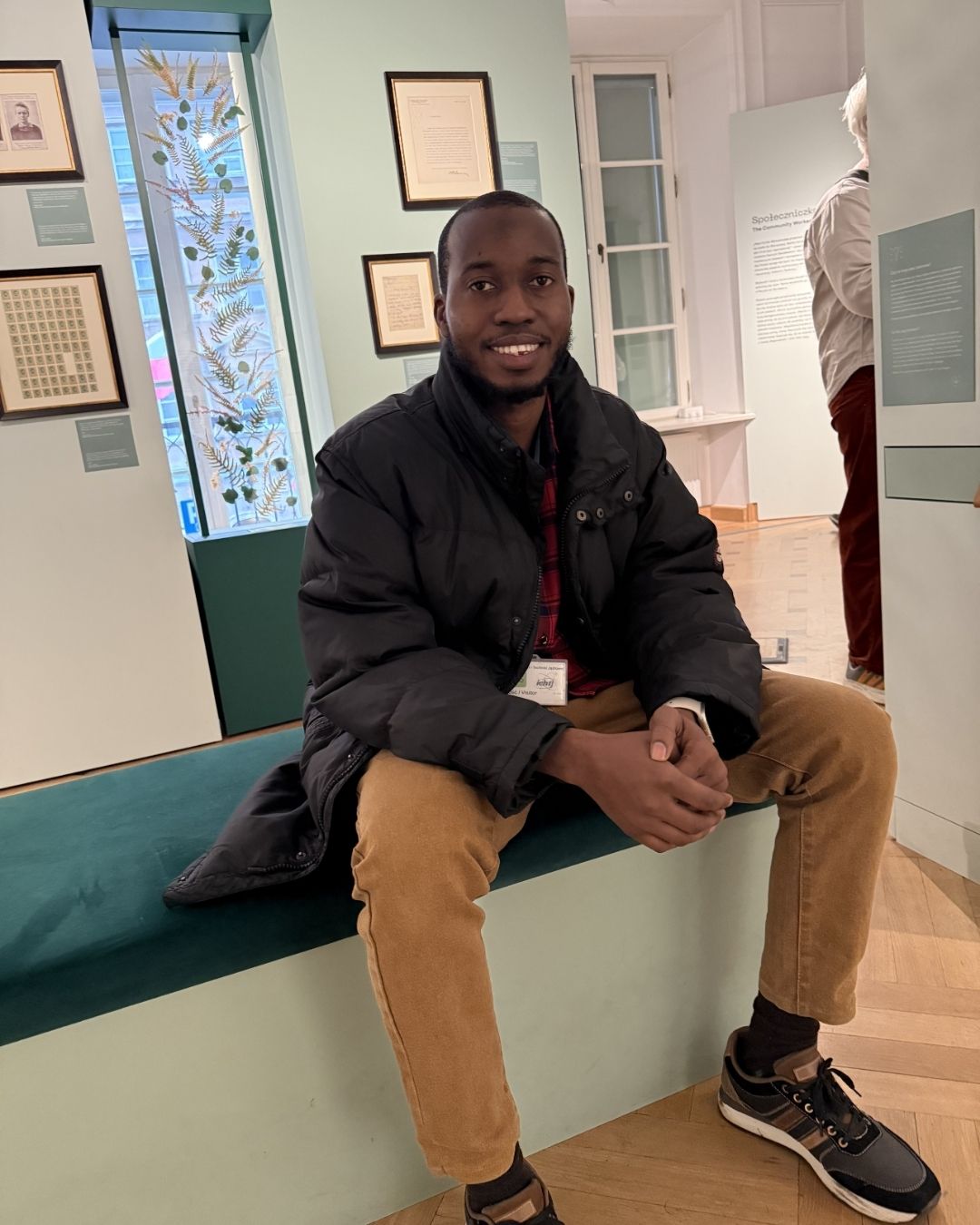
Finally, My training in Warsaw would not have been completed without a visit to the Maria Skłodowska-Curie Museum located in her birthplace on Freta Street. The museum aims to popularise her biography and achievements. Visiting the museum opened up nostalgic memories of the origins of radiochemistry. Her instruments, notebooks, personal effects, and experimental apparatus were all on display. There were also some of her personal belonging with contaminations of radium residues shinning neon lights that speaks of her lifelong intimate immersion in radiological research. Marie discovered Polonium and radium in 1898. Her legacy rests on commitment, intellectual courage, disciplined chemical work, and a willingness to challenge the status quo at a time when women were rarely welcomed in scientific spaces. I left with a renewed sense of responsibility toward scientific integrity, and the kind of fearless curiosity that Marie Curie had throughout her life.
If anything at all, I learnt from this training that chemical extraction and radiological characterisation must operate together, because, responsible resource recovery depends on both.
Acknowledgements
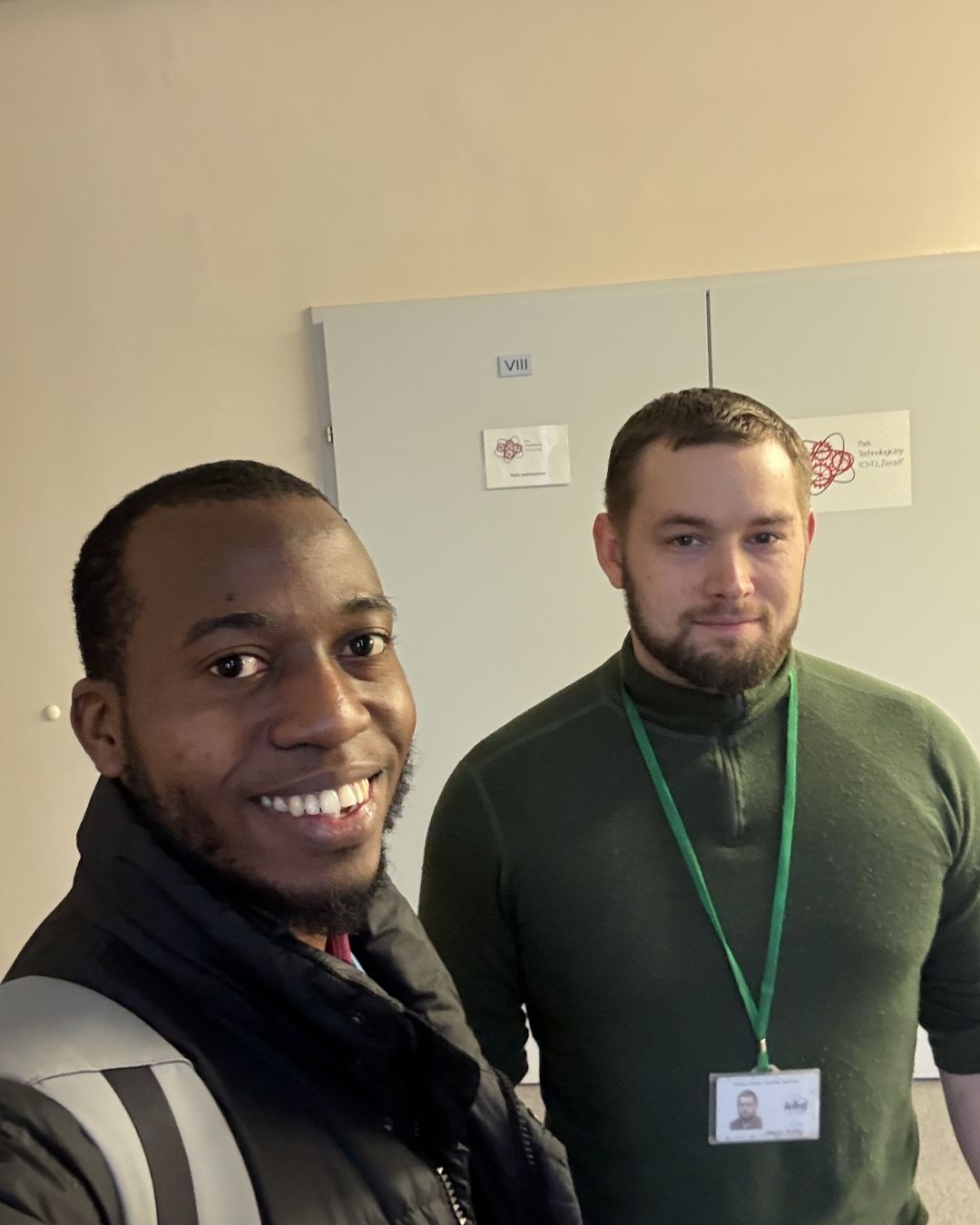
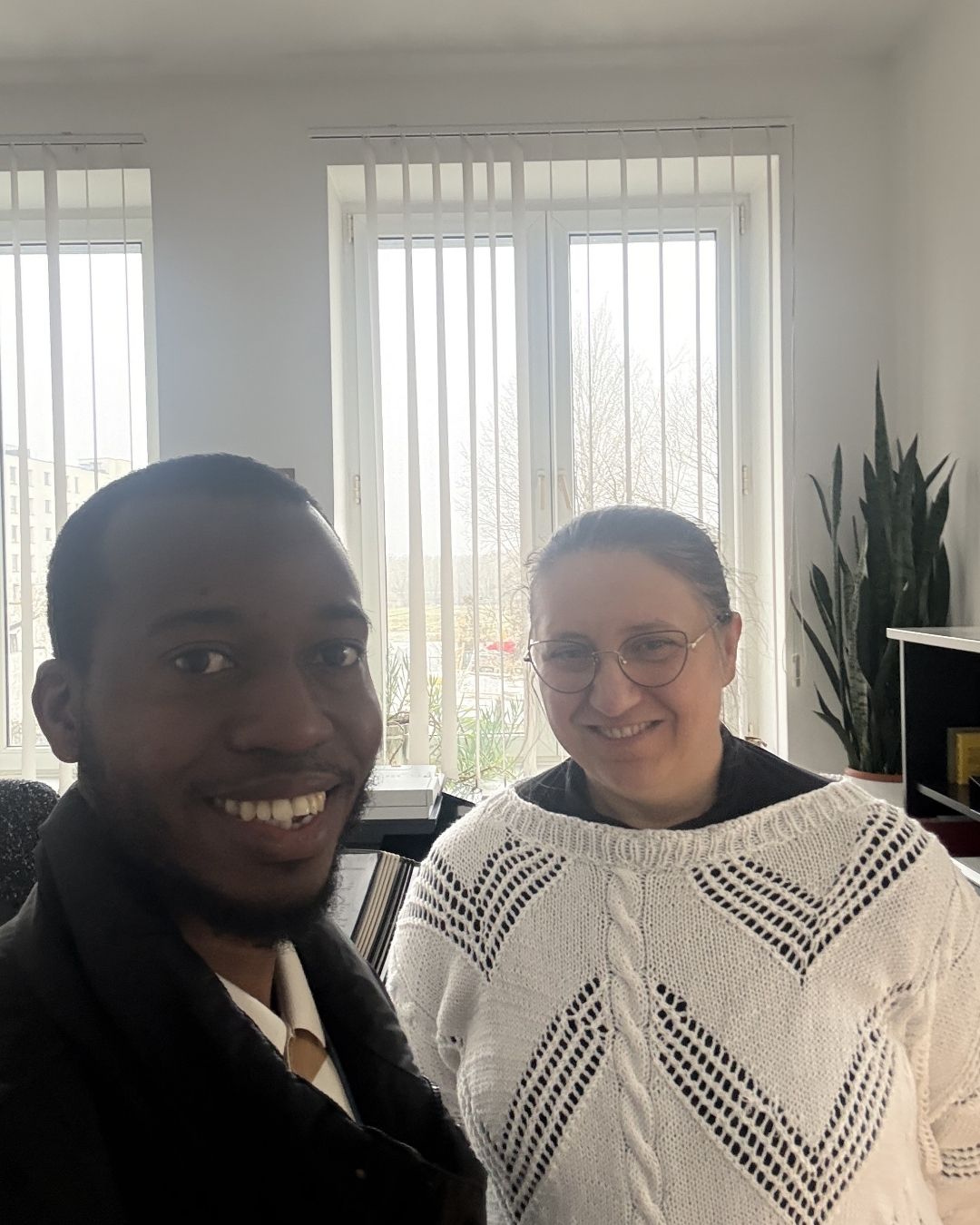
I extend sincere thanks to everyone who made this traineeship possible. The Erasmus+ Traineeship Program, my doctoral supervisor Assoc. Prof Hynek Roubík, Prof. Katarzyna Kiegiel (Head of the Centre for Applications of Nuclear Techniques, ICHTJ), and all colleagues and trainers at the Institute of Nuclear Chemistry and Technology, Warsaw.
For more details on BRT activities, subscribe to our newsletter or follow us on social media for regular updates and highlights!